US War Funding Faces Congress, Iran Conflict Looms
The Pentagon's request for $200 billion for operations against Iran faces significant opposition in Congress, driven by election year concerns and the war's economic impact on Americans. Diplomatic efforts are indirect, and public support remains low, raising questions about the conflict's sustainability and strategic direction.

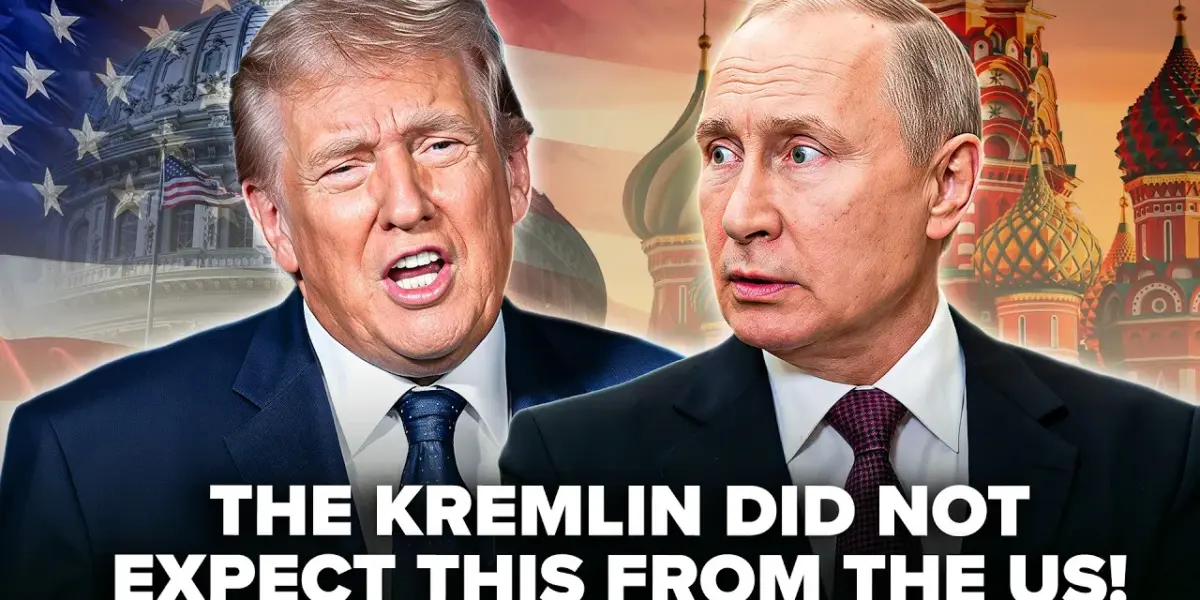
US Seeks Billions for Iran Conflict Amidst Congressional Hurdles
The U.S. Pentagon has requested $200 billion to fund operations related to the conflict with Iran. This figure is reportedly comparable to the total aid provided to Ukraine since its war began. However, the request faces significant challenges in Congress. Lawmakers are hesitant to approve such a large sum, especially in an election year, without a clear national discussion about the necessity and goals of the operation.
This budget request highlights a critical juncture for U.S. foreign policy and military spending. The sheer scale of the requested funds, coupled with the current political climate and upcoming elections for all House members and a third of the Senate, makes its approval unlikely in its current form. Analysts suggest the figure could be significantly reduced, possibly to around $100 billion, with a focus on replenishing U.S. military stockpiles rather than expanding the conflict.
Funding for Rearmament, Not Expansion
The primary driver behind the budget request appears to be the need to restock U.S. military supplies. Extensive use of rockets and other munitions during operations in and around Iran, along with planning for continued engagement through the summer, has depleted existing reserves. The proposed funding aims to address this depletion, ensuring U.S. forces are adequately equipped for ongoing and anticipated missions, but not necessarily for a broader escalation of the war.
Should the full $200 billion be approved, it could signal a potential for further military actions against Iran. The President, as Commander-in-Chief, possesses the authority to deploy armed forces for up to 60 days without explicit Congressional consent. However, extending operations beyond this period would likely require further negotiation and approval from Congress, especially if the initial funding package implies a significant expansion of the mission.
Public Opinion and Economic Impact
Public sentiment in the United States leans against prolonged and costly foreign engagements. Decades of experience in conflicts like Iraq and Afghanistan have fostered a general wariness of overseas interventions and troop deployments. While Americans may express support for the military itself, even those critical of the current administration often refrain from criticizing specific military operations.
The more pressing concern for voters, particularly in an election year, is the economic impact of the conflict. Rising tariffs have already contributed to increased grocery prices. Now, escalating gas prices are creating significant financial strain. This affects daily commutes and is also impacting travel costs, with reports of doubled plane ticket prices. This economic pressure is a key factor that could influence voter decisions and impact the Republican party’s electoral prospects.
Congressional Stalemate and Diplomatic Challenges
Support for the conflict with Iran is reportedly low among the American public. Within President Trump’s own party, divisions are emerging, suggesting a potential crisis when the funding bill reaches Congress. Many Republicans are reportedly opposed to the request due to its potential to increase the national deficit. Democrats, who were not consulted before the war began, are also expected to oppose it.
While a substantial defense budget was passed in December, providing existing funds, this request is specifically for replenishment. The critical deadline is not the budget itself, but the 60-day limit on presidential military action without Congressional approval. The coming period will reveal whether negotiations will lead to an extension of the deployment or if the administration will seek to declare a premature victory and withdraw troops.
Geopolitical Contradictions and Strategic Missteps
The U.S. policy of allowing the purchase of Russian oil is seen as indirectly supporting Russia, even as Russia is reportedly sharing intelligence with Iran, a nation whose actions result in American casualties. This apparent contradiction raises questions about strategic coherence.
Adding to the complexity is the situation with the tanker Kotkin, en route to Cuba. The decision on whether to intercept it, similar to past actions, remains unclear. This decision is linked to ongoing U.S. efforts to manage global oil prices, a delicate balancing act with Russia. The lack of consultation with European allies regarding the conflict with Iran, initiated by the U.S. and Israel, is also noted as a significant oversight.
Furthermore, the U.S. appears unprepared for the repercussions on the global oil market. The Strategic Petroleum Reserve was not filled to capacity before the conflict began, a step that would have been prudent if anticipating war. Current gas prices are more than double what they were in early February, indicating a failure in comprehensive planning and public communication regarding the war’s economic consequences.
Diplomatic Channels and Peace Prospects
Direct talks between the United States and Iran are not occurring. Negotiations are proceeding through third-party mediators, including Turkey and other allies. Previously, Qatar played a leading role, but ceased involvement after being targeted by Iran. The indirect nature of these communications suggests that a resolution is not imminent.
Talks involving Ukraine are also reportedly faltering, which would represent another setback for President Trump’s diplomatic initiatives. The effectiveness of Ukraine’s armed forces in repelling Russian forces is seen as a key factor influencing any future negotiations. As long as Ukraine continues to inflict significant losses on Russian invaders, it strengthens its negotiating position.
Challenges in Negotiating with Adversaries
President Trump’s approach to diplomacy, effective with nations like Venezuela, struggles when dealing with major powers like Russia, China, and North Korea. These countries are not motivated by simple financial incentives or threats of sanctions. They are perceived as seeking to fundamentally alter the global order.
Past attempts to negotiate better trade deals with China and to achieve progress with Russia and North Korea have yielded limited results. North Korea continues to develop its nuclear weapons program and assist Russia in its war against Ukraine. The perceived failure to make progress with these ideological adversaries undermines claims of master strategic thinking.
Russian Internal Dynamics and Internet Restrictions
Reports indicate a rising number of Russians are searching for ways to leave the country, likely driven by increasing casualties in Ukraine and the prospect of further mobilization. This trend reflects growing uncertainty about the war’s future and Russia’s direction.
The Russian government’s decision to restrict internet access is seen by some as an attempt to control information and suppress dissent. However, this action may inadvertently fuel conspiracy theories and public questioning, especially given the lack of clear answers regarding the war’s purpose, economic damage, and reliance on China. The long-term consequences of such information control remain uncertain.
Source: 😱Kremlin erupted after this news! Everyone fell silent. Trump made a sharp move on war (YouTube)

Related Articles
Pentagon Weighs 10,000 Troops for Iran Showdown
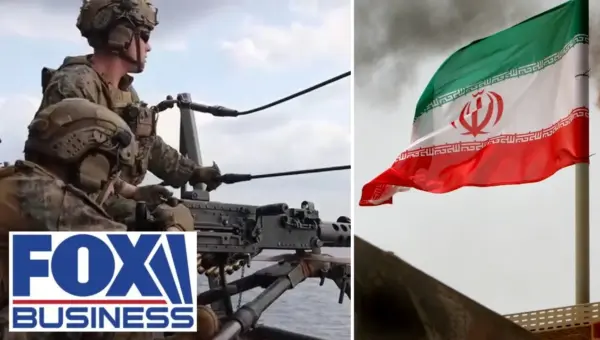
The Pentagon is reportedly weighing a significant troop increase of 10,000 soldiers to the Middle East, potentially escalating tensions with Iran. This move comes amid reports of U.S. precision strikes and interceptions of Iranian missiles by allies, raising concerns about regional stability and global oil supplies.


House Republicans Block DHS Funding Bill; Iran Faces War Fears
House Republicans have rejected a Senate-passed bill to fund the Department of Homeland Security, leaving thousands of TSA workers unpaid and deepening a political standoff. Meanwhile, in Iran, citizens face escalating conflict amidst fear, an internet blackout, and growing internal divisions, though glimmers of hope persist.
Iran Conflict Sparks Market Volatility, Experts Weigh In
Geopolitical tensions in the Middle East have rattled global markets, with stocks falling and safe-haven assets like the U.S. dollar strengthening. Experts suggest the market may have overreacted, creating potential buying opportunities, but warn of a "bumpy journey" ahead due to infrastructure damage and potential oil shortages. Concerns also linger about the Federal Reserve's independence amidst political commentary.