Rate Hike Fears Spark Market Sell-Off, Geopolitics Add Fuel
Markets are reeling as a surprising shift in Federal Reserve expectations, with rate hikes now being priced in, combines with escalating Middle East tensions. This has triggered a liquidity crunch across assets, impacting everything from stocks to bonds and gold.


Markets Tumble Amid Shifting Fed Expectations and Geopolitical Tensions
U.S. stock markets experienced significant selling pressure recently, driven by growing concerns over the Federal Reserve’s interest rate policy and escalating geopolitical tensions in the Middle East. The market’s sentiment soured as investors reassessed the likelihood of interest rate cuts, with a notable shift occurring in how the Federal Reserve’s future actions are being priced in by traders.
Fed Pricing Flips: Rate Cuts Off the Table?
Data tracking market expectations for Federal Reserve rate decisions through December 2026 revealed a dramatic change. Previously, the market had largely anticipated two rate cuts by the end of the current year. However, this outlook has completely reversed. Current market pricing shows a 0% probability of any rate cut this year. Instead, investors are now factoring in a 32% chance of one rate hike, a 6.2% chance of two hikes, and even a small 0.5% chance of three rate hikes by December.
This cumulative shift suggests roughly a 39.3% probability of rate increases this year. Such a scenario is generally seen as negative for market liquidity, which is the ease with which assets can be bought or sold without affecting their price. Low liquidity can lead to increased market volatility and make it harder for investors to exit positions.
The Liquidity Squeeze: A Cross-Asset Problem
The current market downturn is not isolated to a single asset class. Analysts point to a widespread liquidity crunch affecting various markets, including private credit, gold, Treasury bonds, and stocks. This phenomenon is sometimes referred to as a “cross-asset liquidity grab.” When entities that typically generate cash flow, such as oil producers, face difficulties monetizing their assets, they may be forced to sell other holdings to raise cash. This can trigger a correlated sell-off across different markets as everyone tries to access limited funds.
This liquidity crunch is further exacerbated by extremely high margin levels. Net long margin levels are reportedly 36% higher than the peak seen during the 2021 market boom. High margin usage means investors are borrowing heavily to increase their positions, amplifying both potential gains and losses. When markets turn, highly leveraged positions can be quickly unwound, leading to sharp price declines.
Geopolitical Uncertainty Fuels Sell-Off
Adding to the market’s woes are developments in the Middle East. Reports indicate a potential increase in U.S. troop deployment, with discussions around sending up to 10,000 more troops to the region. This has raised concerns about a deepening involvement in potential conflicts, creating a scenario where troops could become vulnerable targets, often described as “sitting ducks.”
This geopolitical uncertainty is seen as a significant factor contributing to the market’s unease. The deployment of additional military assets, including amphibious groups and potentially more troops, signals an escalation of regional tensions. Such events often lead to increased risk aversion among investors, who tend to move their money away from riskier assets like stocks and into safer havens like gold or government bonds, though even these have seen pressure due to the liquidity issues.
Treasury Yields Tick Higher, Impacting Mortgages
The 10-year Treasury yield, a key benchmark for borrowing costs across the economy, has seen some pullback but remains elevated. It recently moved from around 4.48% to 4.43%. While this represents a slight decrease from recent highs, it is still contributing to the highest mortgage rates seen in approximately six months. Higher mortgage rates can slow down the housing market and reduce consumer spending, further impacting economic liquidity.
Specific Sector Weakness: Semiconductors Hit Hard
The market downturn has disproportionately affected certain sectors. Semiconductor stocks, in particular, have faced significant pressure. For instance, SanDisk experienced an 11% drop in a single day, while Micron Technology fell by about 5%. These moves followed negative research, including reports suggesting potential issues with certain companies’ fundamentals.
One notable example is the dramatic collapse of shares in VXCS (likely referring to a specific ETF or stock not fully identified in the transcript but implied to be in the tech sector), which fell over 50% in a single day from around $430 to $182. It continued to decline, dropping another 37% the following day. This sharp decline was reportedly anticipated based on pre-market analysis.
What Investors Should Know
- Fed Policy Shift: The market’s expectation has moved from potential rate cuts to a possibility of rate hikes this year. This is a significant change that could continue to pressure stock prices.
- Liquidity Concerns: A broad lack of liquidity across markets is a major headwind. This means there’s less money readily available for trading, potentially leading to sharper price swings.
- Geopolitical Risk: Escalating tensions in the Middle East, coupled with potential troop deployments, add another layer of uncertainty that investors are closely watching.
- Margin Call Risk: High levels of borrowing by investors (margin trading) can amplify losses and force selling during downturns, exacerbating price declines.
- Sector Vulnerability: Certain sectors, like technology and semiconductors, may be more sensitive to shifts in liquidity and interest rate expectations.
Long-Term Implications
The current environment suggests a challenging period ahead for investors. The shift away from anticipated rate cuts implies that borrowing costs could remain higher for longer, potentially slowing economic growth. The liquidity squeeze could also persist, making markets more volatile and unpredictable. Geopolitical instability adds a wildcard factor that could trigger further shocks.
Investors may need to brace for continued market choppiness. While geopolitical events can be short-term catalysts for volatility, the underlying issues of liquidity and the Federal Reserve’s policy stance are likely to have more sustained impacts on asset prices. The high levels of margin debt also present a risk of further sharp declines if forced liquidations occur.
The Iran Nuclear Deal Context
The historical context of the Iran nuclear deal, officially known as the Joint Comprehensive Plan of Action (JCPOA), is also relevant. Former President Trump withdrew the U.S. from the deal in 2018, arguing it was not favorable enough for the U.S. The deal had placed limits on Iran’s uranium enrichment and included monitoring by the International Atomic Energy Agency (IAEA).
Critics of the withdrawal argue that it led to a loss of visibility into Iran’s nuclear program. Without the deal’s constraints and monitoring, concerns have grown about Iran’s potential to develop nuclear weapons. The current geopolitical situation, viewed through the lens of Iran’s capabilities and regional influence, is seen by some analysts as a consequence of this breakdown in diplomatic engagement and oversight.
Expert Analysis on Geopolitical Strategy
Former counterterrorism official Joe Kent has voiced strong opposition to potential U.S. troop deployments in the Strait of Hormuz region. He argues that such moves could place American forces in a highly vulnerable position, potentially becoming hostages to Iran. Kent suggests that Iran could strategically allow U.S. forces to advance, only to then use tactics like mining, ballistic missiles, and drone swarms to neutralize them.
This perspective highlights the complexities of military strategy in the region. While the U.S. has aimed to limit Iran’s control over oil flows in the Gulf, current events suggest that Iran may have actually strengthened its position. The reliance on small, agile craft and drone technology by Iran is seen as a significant challenge to traditional naval power, potentially undermining U.S. military advantages.
Market Impact
The confluence of these factors – a hawkish shift in Fed expectations, a critical liquidity shortage, and heightened geopolitical risks – has created a negative feedback loop for the markets. Investors are likely to remain cautious, focusing on capital preservation and seeking assets that can weather periods of heightened uncertainty. The sell-off across multiple asset classes underscores the systemic nature of the current challenges, suggesting that a broad-based recovery may depend on significant improvements in liquidity conditions and a de-escalation of geopolitical tensions.
Source: sh9t show (YouTube)

Related Articles


Pentagon Weighs 10,000 Troops for Iran Showdown
The Pentagon is reportedly weighing a significant troop increase of 10,000 soldiers to the Middle East, potentially escalating tensions with Iran. This move comes amid reports of U.S. precision strikes and interceptions of Iranian missiles by allies, raising concerns about regional stability and global oil supplies.


Iran Conflict Sparks Market Volatility, Experts Weigh In
Geopolitical tensions in the Middle East have rattled global markets, with stocks falling and safe-haven assets like the U.S. dollar strengthening. Experts suggest the market may have overreacted, creating potential buying opportunities, but warn of a "bumpy journey" ahead due to infrastructure damage and potential oil shortages. Concerns also linger about the Federal Reserve's independence amidst political commentary.

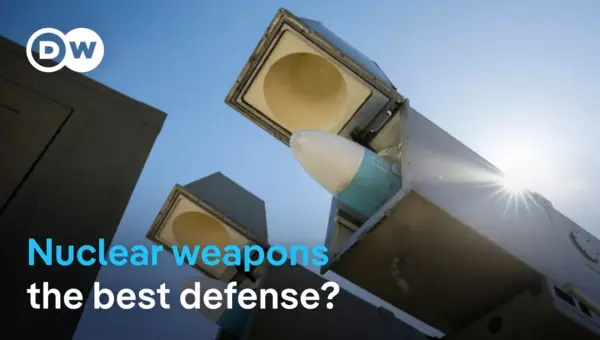
Iran War Sparks Nuclear Fears: Is a Global Arms Race Brewing?
The conflict in Iran has heightened global fears of nuclear proliferation and a potential arms race. Experts warn that Iran may pursue nuclear weapons if its current deterrence fails, while historical examples show the dangers of unchecked nuclear ambitions. The world faces uncertain scenarios, ranging from renewed diplomatic efforts to a dangerous escalation of nuclear threats.