China Escalates South China Sea Tensions, Tests Philippine Resolve
China's Coast Guard has intensified its aggressive actions against Philippine fishing boats, escalating tensions in the South China Sea. This comes as China uses its dominance over critical resources like antimony and jet fuel to exert influence, impacting nations like Canada and Australia. Meanwhile, Taiwan grapples with its own political divisions on how to best engage with Beijing.

China Escalates South China Sea Tensions, Tests Philippine Resolve
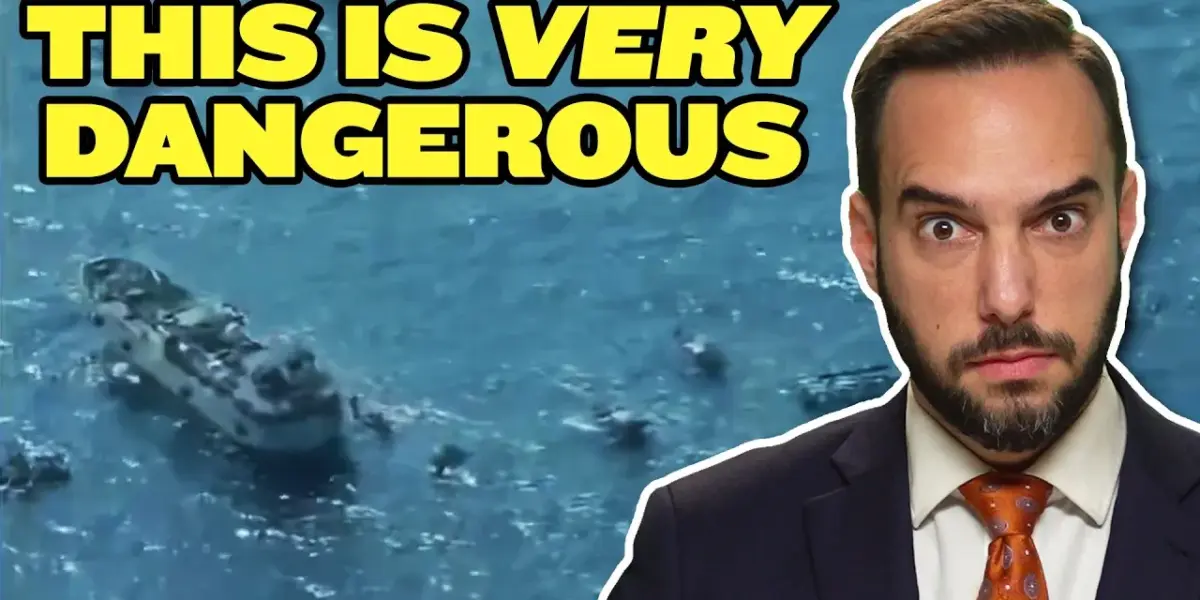
China’s Coast Guard has again increased its aggressive actions against Philippine fishing boats near the Scarborough Shoal. This area is within the Philippines’ exclusive economic zone. The international community largely agrees with this. However, China sees the situation differently. This latest event involved a large number of Chinese vessels, including six Coast Guard ships, 20 maritime militia boats, and one navy warship. They were reportedly harassing over 20 Filipino fishing boats. This shows a significant escalation in the number of ships and forces involved.
US-Philippines Mutual Defense Treaty Looms
The United States has a mutual defense treaty with the Philippines. This means if the Philippines and China were to engage in conflict, the U.S. could be drawn in. The Philippine Coast Guard reported that a Chinese Coast Guard vessel announced it was planning a “clearing operation” in the area. In response, the Philippines dispatched two of its own Coast Guard vessels and five fishery patrol boats. These ships aimed to support the Filipino fishermen by providing fuel, food, and ice.
Escalating Confrontation in the Waterways
The situation intensified when a Chinese corvette reportedly trained its weapons on a Philippine frigate. The Philippine Navy issued a radio challenge. This led to the deactivation of the weapons from their targeting positions. These events follow recent statements by the Chinese ambassador to the Philippines. He suggested that a Coast Guard cooperation pact between the two nations was close. However, a spokesperson for the Philippine Coast Guard publicly denied this. This suggests China may be attempting to pressure the Philippines into an agreement through intimidation.
China’s Strategic Resource Control and Global Impact
Beyond the immediate conflict in the South China Sea, China is demonstrating its influence through control over critical resources. Antimony, a vital mineral for military technology like night vision goggles and semiconductors, is a prime example. China dominates the global antimony market. The U.S. views this as a national security concern.
Canada’s Antimony Mine: A Missed Opportunity
Canada has a significant antimony source at the Beaverbrook Operation. This mine could produce 5% of the world’s antimony. However, it has been shut down for two years. This shutdown began around the time the U.S. and its allies started seeking to diversify their mineral supply chains away from China. The mine is owned by China Minet, a state-owned Chinese company. They bought it in 2009 and subsequently closed it, precisely when global demand for non-Chinese sources was rising. This situation highlights a strategic error by Canada in allowing a foreign state-owned company to control such a critical resource.
Australia Faces Jet Fuel Shortage from China
In another instance of resource leverage, China has reportedly cut off jet fuel exports to Australia. Chinese jet fuel accounts for about 32% of Australia’s imports. This move comes as Australia faces an oil crunch. Australian Prime Minister Anthony Albanese has stated that a response is being planned. However, Australia’s significant reliance on China for essential resources like jet fuel presents a serious vulnerability. This dependency is particularly concerning given the current geopolitical tensions between the two nations.
Taiwan’s Political Landscape and China Relations
Taiwan’s political discourse also reflects the complexities of dealing with China. Opposition officials in Taiwan have suggested that opening negotiations with Chinese President Xi Jinping could be a path to peace. This idea has drawn criticism, especially in light of China’s aggressive actions towards the Philippines. Taiwan’s current President, William Lai, has accused opposition leaders of acting on behalf of China. The main opposition party, the Kuomintang (KMT), has a history of seeking détente with Beijing.
Internal Divisions and International Condemnation
Even within the KMT, there are concerns that these conciliatory statements towards China could hurt them in upcoming local elections. Just weeks ago, President Lai and the U.S. both condemned the KMT and other opposition parties for delaying a crucial increase in Taiwan’s military budget. This indicates a deep division within Taiwan regarding the best approach to managing relations with China and ensuring national security.
Espionage and Security Concerns in Australia and Japan
Adding to the geopolitical concerns, an Australian businessman was recently found guilty of working for Chinese intelligence. Alexander Serggo was convicted of selling sensitive information about Australia, the Quad security alliance, and mining resources to suspected Chinese Ministry of State Security agents. He faces a lengthy prison sentence for reckless foreign interference. In Japan, a man claiming to be part of the Self-Defense Forces broke into the Chinese embassy in Tokyo carrying a knife. He was quickly apprehended, and no one was harmed. China has protested the incident, accusing Japan of failing to protect its diplomatic missions.
Global Impact: Shifting Alliances and Resource Wars
The escalating tensions in the South China Sea, China’s strategic control over critical minerals, and its use of resource exports as political leverage all point to a broader geopolitical shift. Nations are increasingly recognizing the risks of over-reliance on any single power for essential goods. This is driving efforts to diversify supply chains and strengthen regional alliances. The incidents involving the Philippines and Australia underscore the potential for resource competition to fuel international disputes. Taiwan’s internal political debates highlight the difficult balancing act many democracies face when engaging with an assertive China. The interconnectedness of global trade and security means that actions in one region can have far-reaching consequences, potentially reshaping the international order towards greater competition and regional blocs.
Source: China SWARMS the Philippines. Is War Next? (YouTube)

Related Articles
Pentagon Weighs 10,000 Troops for Iran Showdown
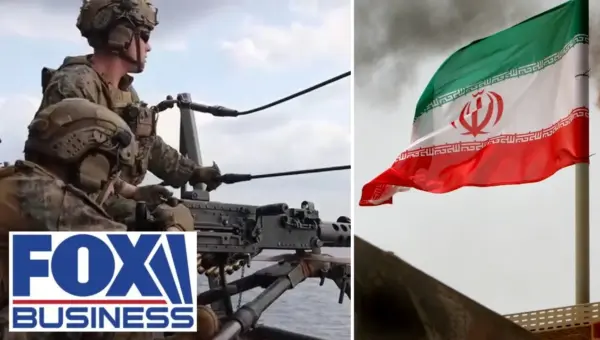
The Pentagon is reportedly weighing a significant troop increase of 10,000 soldiers to the Middle East, potentially escalating tensions with Iran. This move comes amid reports of U.S. precision strikes and interceptions of Iranian missiles by allies, raising concerns about regional stability and global oil supplies.
Iran Conflict Sparks Market Volatility, Experts Weigh In
Geopolitical tensions in the Middle East have rattled global markets, with stocks falling and safe-haven assets like the U.S. dollar strengthening. Experts suggest the market may have overreacted, creating potential buying opportunities, but warn of a "bumpy journey" ahead due to infrastructure damage and potential oil shortages. Concerns also linger about the Federal Reserve's independence amidst political commentary.
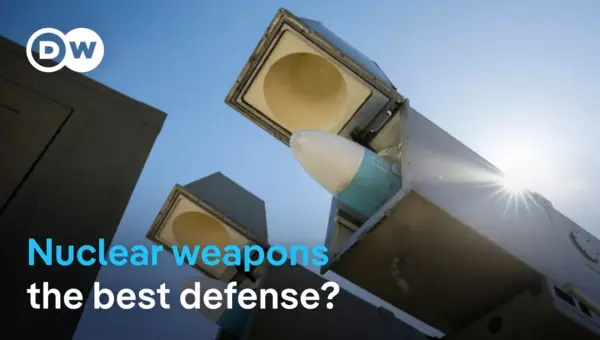
Iran War Sparks Nuclear Fears: Is a Global Arms Race Brewing?
The conflict in Iran has heightened global fears of nuclear proliferation and a potential arms race. Experts warn that Iran may pursue nuclear weapons if its current deterrence fails, while historical examples show the dangers of unchecked nuclear ambitions. The world faces uncertain scenarios, ranging from renewed diplomatic efforts to a dangerous escalation of nuclear threats.