Trump Warns: Iran’s Nuclear Ambitions Threaten Global Safety
President Trump voiced strong concerns over Iran's nuclear ambitions, labeling its leaders "mad people" and warning of global devastation if they acquire nuclear weapons. His statements come amid escalating tensions and direct military exchanges between Iran and Israel.

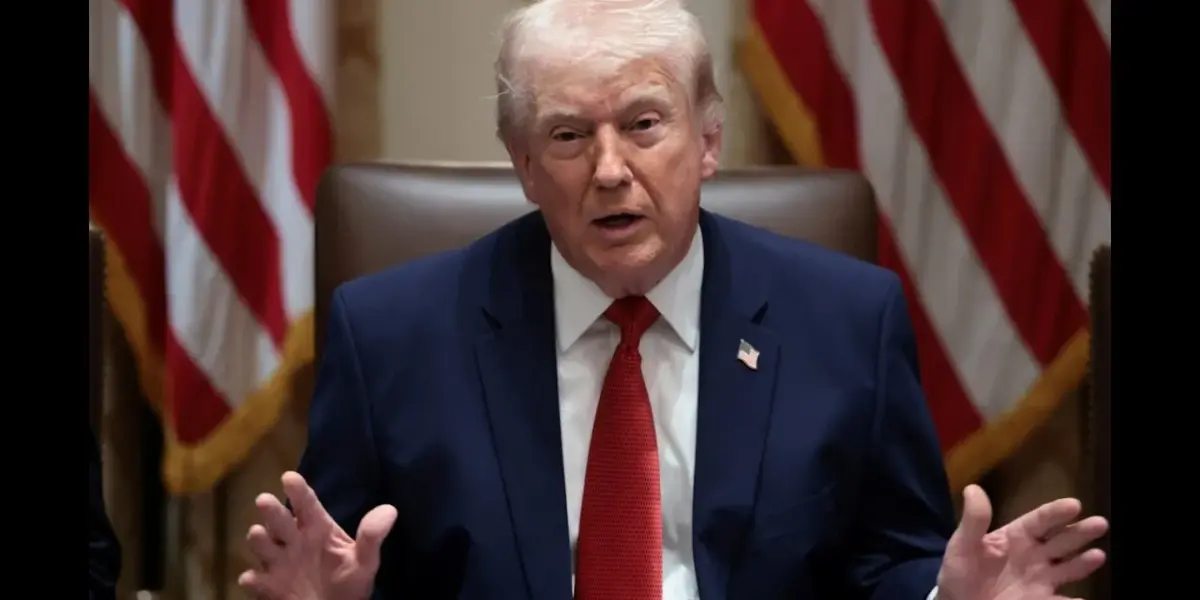
Trump Warns: Iran’s Nuclear Ambitions Threaten Global Safety
President Trump recently spoke out about the dangers posed by Iran, calling its leaders “mad people” and emphasizing the urgent need to prevent them from obtaining nuclear weapons. His comments came as tensions rise in the Middle East, with ongoing conflicts involving Iran and Israel. Trump argued that allowing a nation with what he described as a “mad ideology” to acquire nuclear power would be disastrous for the entire world.
A “Madman” With Nuclear Power?
During an interview on Fox News, Trump painted a stark picture of the potential consequences. He stated, “You can’t let a mad man or you can’t let a uh mad ideology have a nuclear weapon.” He believes that if Iran were to develop nuclear capabilities, they would use them to cause immense harm. This harm, he warned, would not only affect the Middle East and Israel but would also eventually reach the United States. “We would be next,” he declared, highlighting his view that Iran’s aggression knows no bounds.
Iran’s Actions as Evidence
To support his claims, Trump pointed to Iran’s past actions and alleged attacks on its Gulf neighbors. He mentioned strikes on Saudi Arabia, Qatar, the UAE, Kuwait, and Oman as proof of the regime’s unpredictable nature. Trump described the Iranian leadership as “stone cold crazy.” He suggested that if they possessed nuclear weapons, they would not hesitate to use them, causing widespread destruction.
Economic Successes and a “Detour” to Iran
The President also touched upon his administration’s economic achievements, noting the Dow Jones reaching 50,000. However, he quickly shifted focus back to foreign policy, framing the situation with Iran as a necessary “detour” or “journey.” This implies that dealing with Iran’s nuclear ambitions is a crucial, albeit potentially difficult, task that requires immediate attention. He suggested that the US is taking these actions not just for itself but also to help other countries.
Concerns Over Human Rights in Iran
Adding another layer to the complex situation, Trump commented on reports suggesting the CIA had informed him about the new leader of Iran, Muayaba Kam, being gay. The transcript notes that the Iranian regime is known for its harsh punishments against homosexuals. Trump acknowledged these reports, stating, “I think a lot of people are saying that, which puts them off to a bad start in that particular country.” This brings attention to the human rights issues within Iran and the severe penalties faced by its citizens, especially those in the LGBTQ+ community.
The Tragic Case of the Wrestler
A particularly poignant example of Iran’s harshness, as highlighted in the transcript, is the reported execution of 19-year-old Iranian wrestler Salai Mohammadi. He was allegedly killed in a public hanging for speaking out. Trump used this tragic event to illustrate the regime’s brutality. “They killed him. Look what they did to the wrestler. They killed him for for speaking up. They killed him,” he said. Mohammadi, a promising athlete who dreamed of Olympic glory, had his life cut short. This incident drew outrage from multiple Olympians, including gold medalists Brandon Slay and Kelly Humphre.
Escalating Conflict with Israel
The transcript also detailed recent military actions between Iran and Israel. Sirens wailed in Tel Aviv as residents faced missile threats from Iran. Iran reportedly launched multiple waves of missiles, hitting areas like Tel Aviv and Haifa. Hezbollah, an ally of Iran, also fired rockets into northern Israel, resulting in casualties. In response, Israel conducted strikes within Iran and engaged in ground operations in Lebanon. Israeli forces reported targeting Hezbollah infrastructure and eliminating numerous fighters, confiscating significant amounts of weaponry.
US Oil Production and International Responsibility
In a related point, Trump mentioned operations in Venezuela and highlighted the US’s increased oil production. He stated that the US now produces more oil than Saudi Arabia and Russia combined. He also expressed frustration that other countries do not take action against those who misuse certain substances, implying a double standard and suggesting the US is acting for the benefit of others. “We’re actually doing this for other countries. We don’t we don’t need it,” he commented, referring to the oil production.
Why This Matters
President Trump’s strong stance on Iran’s nuclear program is significant because it reflects a core tenet of his foreign policy: confronting perceived threats aggressively. His rhetoric paints Iran as an existential danger, not just to regional stability but to global security. The mention of a “mad ideology” and “mad people” suggests a belief that the current Iranian leadership is irrational and poses an unpredictable threat. This perspective shapes the US approach to international relations, particularly concerning nuclear proliferation. The focus on Iran’s alleged aggression and human rights abuses serves to justify a tough stance and potential preemptive actions. The escalating conflict with Israel, as described in the transcript, shows that these tensions are not theoretical but have real-world consequences, leading to loss of life and regional instability. The US position, as articulated by Trump, aims to deter Iran from acquiring nuclear weapons, but the methods and the potential for escalation remain a critical concern for international diplomacy.
Historical Context
The relationship between the United States and Iran has been fraught with tension since the 1979 Iranian Revolution, which overthrew the US-backed monarchy. This event led to the seizure of the US embassy in Tehran and a lasting distrust between the two nations. For decades, Iran’s nuclear program has been a major international concern. International bodies like the International Atomic Energy Agency (IAEA) have monitored Iran’s activities, and various sanctions have been imposed to curb its nuclear ambitions. The 2015 Joint Comprehensive Plan of Action (JCPOA), an agreement aimed at limiting Iran’s nuclear program in exchange for sanctions relief, was a significant diplomatic effort. However, the US withdrew from the JCPOA under the Trump administration, leading to renewed tensions and Iran’s subsequent steps to increase its uranium enrichment.
Implications and Future Outlook
Trump’s remarks underscore a continued commitment to preventing Iran from obtaining nuclear weapons, a policy that has defined much of his approach to the Middle East. The direct mention of Iran’s leaders as “madmen” suggests a low tolerance for diplomatic engagement with the current regime, potentially favoring more assertive measures. The ongoing conflict with Israel, as detailed in the transcript, highlights the immediate risks of this geopolitical standoff. If Iran were to develop nuclear weapons, it could trigger a dangerous arms race in the region, with countries like Saudi Arabia and Turkey potentially seeking their own nuclear capabilities. This would dramatically increase the risk of nuclear conflict. The international community faces the challenge of balancing deterrence with de-escalation, seeking ways to prevent Iran from crossing the nuclear threshold without igniting a wider war. Future diplomatic efforts will likely focus on monitoring Iran’s nuclear activities, enforcing sanctions, and attempting to find pathways for de-escalation, though the current rhetoric suggests a difficult road ahead.
Source: Trump: Iran Action Necessary to Stop ‘Madman’ From Having a Nuclear Weapon (YouTube)

Related Articles

Tiger Woods DUI Arrest Sparks Political Ripples
Golf legend Tiger Woods was arrested for DUI in Florida after a rollover crash, showing signs of impairment not related to alcohol. President Trump commented on the incident, noting a personal connection through Woods' girlfriend.


CPAC Crowd’s Boos Reveal GOP’s Deep Divide
A moment at CPAC where the crowd booed impeachment hearings reveals deep divisions within the Republican party. Younger supporters are concerned the GOP base is crumbling due to issues like the Iran war, gas prices, and other controversies.

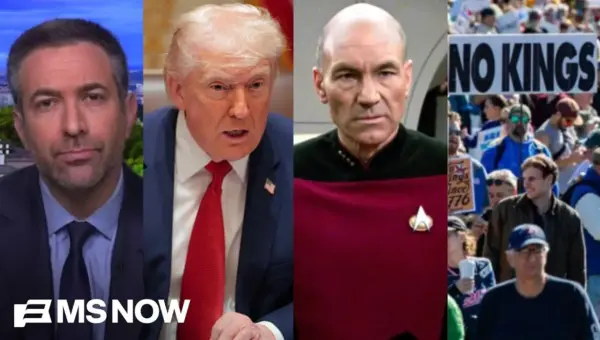
Mass Protests Erupt as Trump Approval Plummets
Thousands of 'No Kings' rallies are scheduled nationwide, protesting perceived autocratic actions by Donald Trump. As Trump's approval ratings fall, concerns grow over his challenges to democratic norms and the rule of law.