Pakistan Steps In as Mediator in US-Iran Tensions
Pakistan is actively positioning itself as a key mediator between the United States and Iran, relaying messages between the two nations amid rising international tensions. This role is driven by deep historical ties, significant Shia populations within Pakistan, concerns over border security, and a delicate balancing act involving its defense pact with Saudi Arabia.

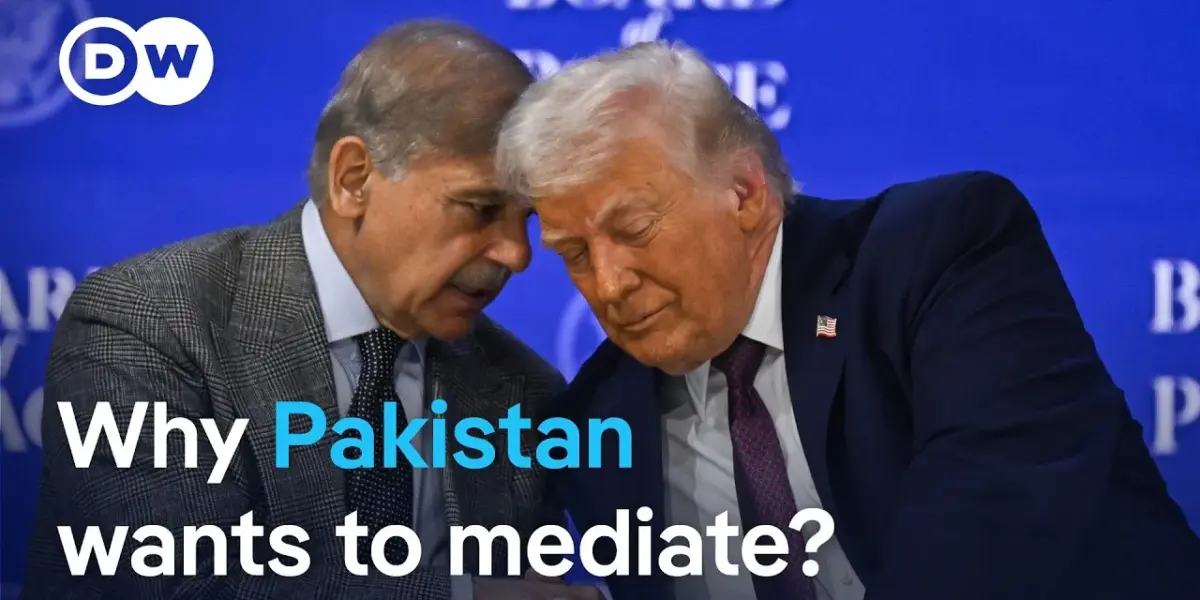
Pakistan Acts as Key Intermediary Between US and Iran
Amid rising international pressure to de-escalate ongoing conflicts, Pakistan has stepped forward to act as a key mediator between the United States and Iran. The Pakistani foreign ministry announced its role as an intermediary, focused on relaying messages between the two nations. Islamabad has stated it is working to bring the US and Iran to the negotiating table, though it has not confirmed if direct talks will occur.
This development comes as other countries, including Turkey and Egypt, are also reportedly involved in mediation efforts. Iran has officially denied engaging in talks with the US about ending the current conflict, despite claims made by former President Donald Trump. Trump has asserted that discussions are happening, while Iran insists they are not, simultaneously rejecting a US 15-point plan and proposing its own.
Deep Historical Ties Shape Pakistan’s Role
Pakistan and Iran share a strong historical, cultural, and religious bond. Iran was the first country to recognize Pakistan after its independence in 1947, and Pakistan reciprocated after the 1979 Iranian Revolution. This long-standing relationship forms a foundation for Pakistan’s current diplomatic engagement.
However, Pakistan’s active involvement in mediating the US-Iran conflict stems from several other critical reasons. Approximately 20% of Pakistan’s population is Shia Muslim, with many holding strong positive sentiments towards Iran. Protests and significant anger erupted in Pakistan following the killing of an Iranian official in attacks attributed to Israel, the US, and others, leading to clashes where nearly 26 protesters were killed by police.
Border Security and Stability Drive Pakistani Interest
Beyond public sentiment, Pakistan shares a crucial 900-kilometer border with Iran, a region that includes the restive Balochistan province. This area is a known hotspot for insurgency, militant activities, and separatist groups. For Pakistan, a stable Iran is a vital interest, as instability or conflict in Iran could embolden militants operating near its border.
“A stable Iran is in Pakistan’s interest,” explained a DW reporter, highlighting the significant stakes for Islamabad in ensuring regional peace.
Shifting US-Pakistan Relations Pave Way for Trust
Washington’s willingness to trust Islamabad as a mediator is a relatively recent development. Relations between the US and Pakistan have seen shifts, particularly after past criticisms regarding Pakistan’s alleged harboring of the Taliban. However, under the Trump administration, ties improved, notably through the relationship between then-President Trump and Pakistan’s army chief, General Qamar Javed Bajwa.
A turning point was Pakistan’s quick endorsement of Trump’s narrative following a tense conflict with India. Pakistan publicly supported the US president’s role in de-escalating the situation between the two nuclear-armed nations and even nominated Trump for a Nobel Peace Prize. These actions demonstrated Pakistan’s aggressive diplomatic efforts to align itself with US interests and President Trump’s agenda, including promoting potential business opportunities within Pakistan.
Balancing Regional Alliances: Saudi Arabia and Iran
Pakistan’s mediation efforts are further complicated by its defense pact with Saudi Arabia, a country currently facing attacks from Iran. This alliance requires Pakistan to potentially defend Saudi Arabia if attacked, placing Islamabad in a delicate position.
“This defense pact means that Pakistan has to protect Saudi Arabia if it’s attacked, and Iran is attacking Saudi Arabia,” the reporter noted. Pakistan is diplomatically working with both Iranian and Saudi leadership to lower tensions and avoid being forced into a military commitment that would make it a party to the conflict.
Becoming involved militarily would have severe repercussions for Pakistan. Iran could retaliate, and more critically, millions of Pakistani citizens working in Gulf countries, particularly Saudi Arabia, could face danger. The remittances sent home by these workers are vital to thousands of Pakistani families, making it imperative for Pakistan to avoid antagonizing either Iran or Saudi Arabia.
A Delicate Diplomatic Tightrope
Pakistan finds itself navigating a complex geopolitical landscape, striving to maintain peace between the US and Iran while safeguarding its own national interests and citizens abroad. The country’s ability to act as a trusted intermediary highlights a strategic shift in regional diplomacy, driven by a desire for stability and a careful balancing of long-standing alliances.
As diplomatic channels remain active, the international community watches closely to see if Pakistan’s mediation efforts can bridge the divide between Washington and Tehran and prevent further escalation in the volatile Middle East.
Source: Pakistan positions itself as a key mediator between the US and Iran | DW News (YouTube)

Related Articles
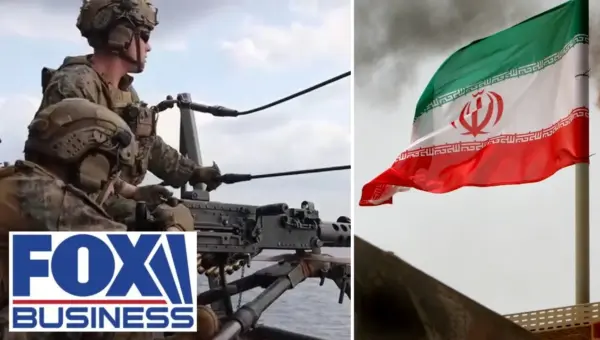
Pentagon Weighs 10,000 Troops for Iran Showdown
The Pentagon is reportedly weighing a significant troop increase of 10,000 soldiers to the Middle East, potentially escalating tensions with Iran. This move comes amid reports of U.S. precision strikes and interceptions of Iranian missiles by allies, raising concerns about regional stability and global oil supplies.
Iran Conflict Sparks Market Volatility, Experts Weigh In
Geopolitical tensions in the Middle East have rattled global markets, with stocks falling and safe-haven assets like the U.S. dollar strengthening. Experts suggest the market may have overreacted, creating potential buying opportunities, but warn of a "bumpy journey" ahead due to infrastructure damage and potential oil shortages. Concerns also linger about the Federal Reserve's independence amidst political commentary.
Iran War Sparks Nuclear Fears: Is a Global Arms Race Brewing?
The conflict in Iran has heightened global fears of nuclear proliferation and a potential arms race. Experts warn that Iran may pursue nuclear weapons if its current deterrence fails, while historical examples show the dangers of unchecked nuclear ambitions. The world faces uncertain scenarios, ranging from renewed diplomatic efforts to a dangerous escalation of nuclear threats.