Trump’s Inner Circle Fuels Cognitive Concerns
Former Trump aide Miles Taylor argues that Donald Trump's current circle of advisors is worsening his cognitive decline. Unlike his first term, Taylor claims there's no one to correct him or say "no" to bad ideas. This lack of checks and balances raises concerns about leadership effectiveness and decision-making.

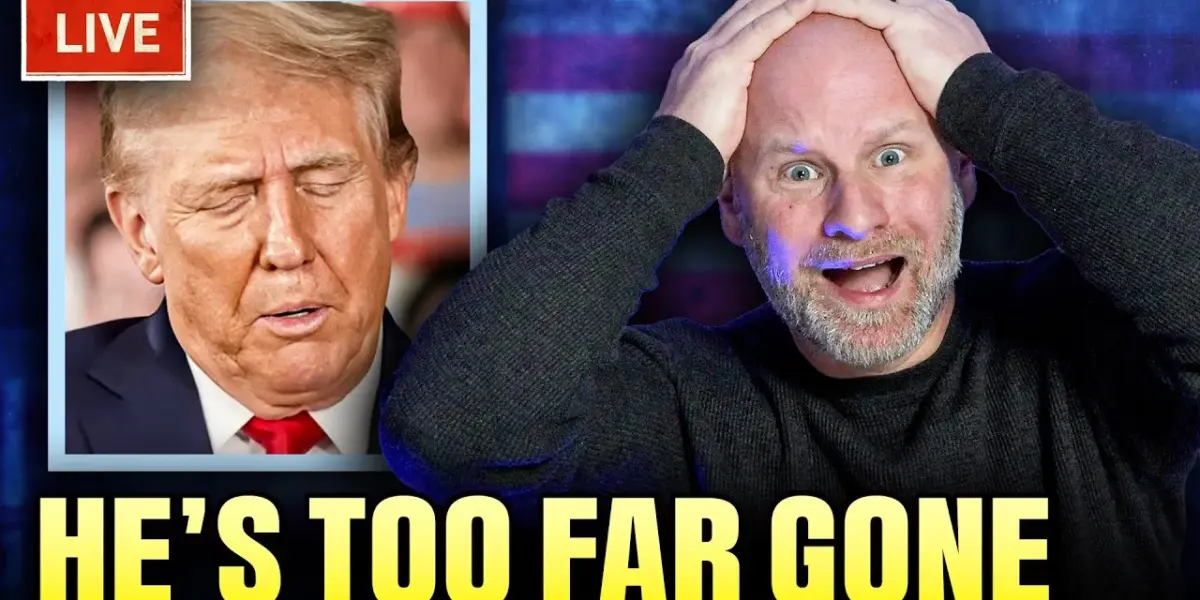
Trump’s Inner Circle Fuels Cognitive Concerns
Former Trump aide Miles Taylor recently wrote about a worrying trend. He explained that the people now surrounding Donald Trump are making his cognitive abilities worse. This is a significant change from his first term in office. Back then, Taylor suggests, there were individuals who could guide him. They could correct him when he strayed off course. They also felt empowered to say “no” to his more extreme ideas.
Now, Taylor argues, that crucial check and balance is missing. This lack of guidance, he believes, allows for a worsening of cognitive decline. It means Trump is less likely to be corrected. His more outlandish suggestions might go unchallenged. This creates an environment where problematic thinking can become more entrenched.
The Impact of Isolation
Taylor’s observations point to a dangerous dynamic. When a leader is surrounded only by those who agree with them, it can be harmful. This is sometimes called an echo chamber. It’s like being in a room where the only sound you hear is your own voice repeated back to you. There’s no new information or differing opinions to consider.
In Trump’s case, this isolation seems to mean fewer people are willing or able to offer dissent. This is not just about personal opinions. It’s about the practical functioning of leadership. A leader needs feedback to make good decisions. They need people who can point out flaws in their thinking. Without this, mistakes can be amplified.
Historical Context of Advisory Roles
Throughout history, leaders have relied on advisors. These advisors often played a vital role. They provided different perspectives. They challenged assumptions. Think of advisors to kings or presidents. Their job was often to be the voice of reason. They offered a reality check when the leader was perhaps out of touch.
The absence of such a role in Trump’s current circle is what Taylor highlights. He suggests that the people around Trump now are not filling that function. Instead, they might be enabling his worst tendencies. This can happen when people prioritize loyalty over honest counsel. They might fear losing favor. They might genuinely believe the leader is always right.
Why This Matters
The cognitive state of any leader is important. But for a figure with significant political influence, it carries extra weight. Decisions made by such individuals can affect millions. If that leader is consistently operating without checks, the potential for error increases. This is not about personal attacks. It is about the stability and effectiveness of leadership.
Taylor’s op-ed raises questions about accountability. When everyone around a leader agrees, who is responsible when things go wrong? The people providing advice, or the leader themselves? This dynamic can create a situation where blame is diffused. It becomes harder to pinpoint the source of bad decisions.
Trends and Future Outlook
This situation highlights a broader trend in politics. Increasingly, political figures seem to surround themselves with loyalists. This can make them less receptive to criticism. It can also make them more vulnerable to misinformation. The digital age, with its personalized news feeds, can worsen this. People can easily find information that confirms what they already believe.
The future outlook depends on several factors. Will Trump continue to rely on a circle that offers little dissent? Or will external pressures force a change in his advisory style? The public’s perception of his fitness for office is also a key element. Voters ultimately decide who they want to lead them.
Conclusion
Miles Taylor’s assessment offers a critical look at Donald Trump’s current environment. By suggesting that his close circle may be exacerbating cognitive issues, he raises serious concerns. The lack of a “no” person or someone to steer him back on track is a significant point. It points to potential weaknesses in decision-making processes. Understanding this dynamic is crucial for evaluating his leadership. It also prompts broader questions about how leaders should be advised. The health of our political discourse may depend on it.
Source: Trump's Enablers Are Making His Cognitive Decline WORSE (YouTube)

Related Articles
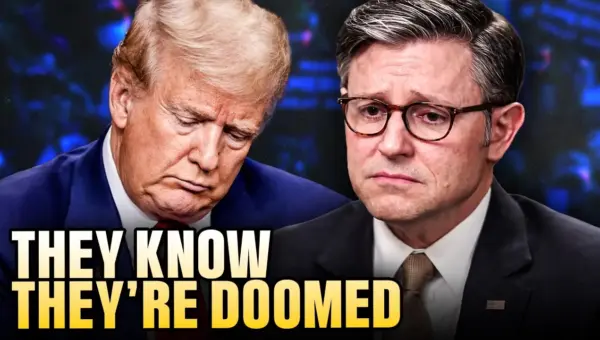
Polls Spell Doom: Republicans Face Voter Backlash
New polling data reveals a sharp decline in public confidence regarding the economic impact of Republican policies, particularly under Donald Trump. A significant majority now feel financially worse off, a trend that is especially pronounced among independent voters. This economic discontent poses a major challenge for the Republican party heading into future elections.

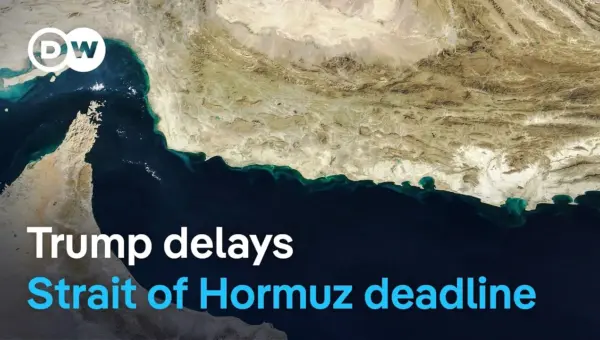
Trump Delays Iran Strike Deadline Amidst Shifting Diplomacy
President Donald Trump has extended his deadline for potential strikes on Iranian energy plants to April 6th, amid reports of U.S.-Iran diplomatic talks mediated by Pakistan. This move comes as Israel continues its strikes on Iran and the U.S. deploys additional military assets to the region. Analysts point to mixed signals, economic pressures, and strategic miscalculations as key factors shaping the evolving situation.
Iran War Claims Ring Hollow as US Troops Injured in New Attack
Days after Donald Trump claimed "we've won" the war with Iran, a new attack injured approximately a dozen U.S. troops and damaged aircraft. This incident contradicts Trump's assertions of victory and raises serious questions about the strategy and reality of the ongoing conflict.