MP Charlotte Nichols Recounts Trauma of Revenge Porn
Former MP Charlotte Nichols bravely recounts the trauma of having naked photos of herself distributed to 70 men, an experience she calls "utterly humiliating." The incident, which occurred while she was an MP, led her to question her safety and fueled her determination to seek justice and push for systemic change.

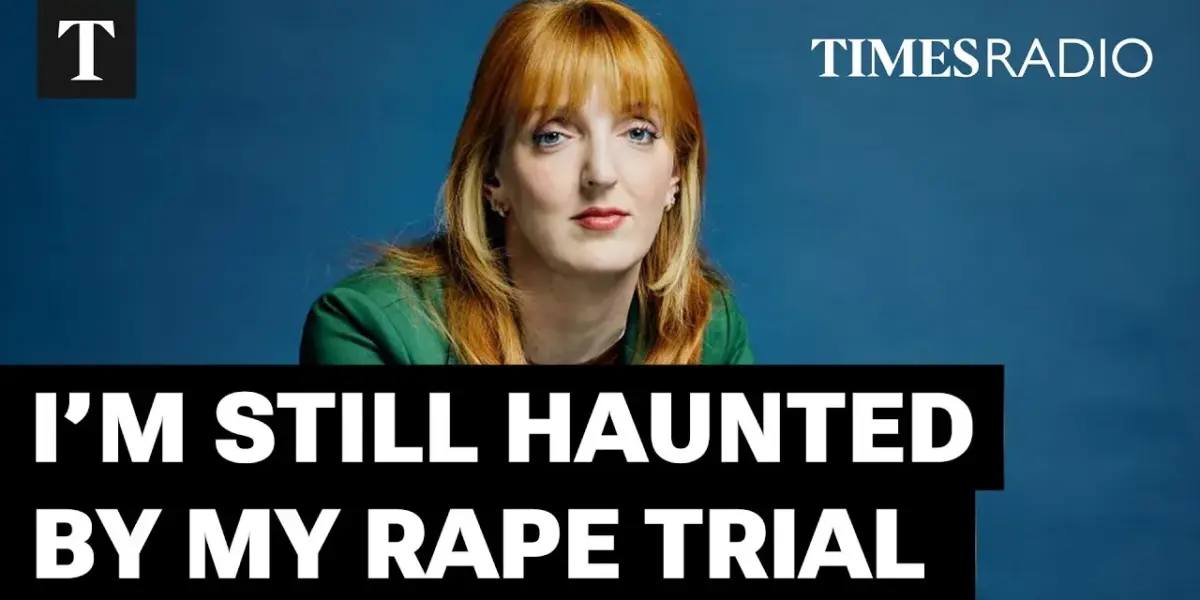
MP Charlotte Nichols Details ‘Utterly Humiliating’ Revenge Porn Ordeal
Former MP Charlotte Nichols has bravely shared the deeply personal and traumatic experience of having naked photos of herself, taken without consent, distributed to 70 men. Nichols described the ordeal as “utterly humiliating” and a significant factor in her decision to report the crime. The incident, which occurred while she was serving as a Member of Parliament, highlights the persistent vulnerability of individuals, regardless of their public standing.
A ‘Big Bet’ on the Justice System
Speaking about the aftermath of the event, Nichols likened the criminal justice process to “taking a really big bet” where everything is put on the line. When the outcome is unfavorable, it feels like losing everything, a sentiment that “stings” deeply. She recounted sleepless nights, nightmares, and the difficult task of identifying images of her own unconscious body to the police, all while trying to balance these demands with her demanding job.
The emotional toll was immense, leading her to question the point of enduring such a process and how to move forward. “It’s like you’re held in this kind of limbo,” she explained, emphasizing the feeling of being stuck and unable to progress. This sense of being trapped in a state of uncertainty is a common experience for those involved in lengthy legal proceedings.
Running for Election Amidst Trauma
Just a day after the traumatic events, Prime Minister Rishi Sunak announced a general election. Despite advice from friends, family, her GP, and psychiatrist to avoid the campaign due to her emotional state, Nichols felt compelled to run. She believed that if she could endure the campaign and the subsequent summer recess, she might be able to effect change.
Her motivation was to make the process less difficult for others who might not have her privileges, support, or platform. “If I could make it a bit less for the next person, that maybe in some way I could kind of find some meaning out of the experience that would make it hurt less,” she stated.
Vulnerability Knows No Position
Nichols stressed that her position as an MP offered no protection. She admitted to feeling naive for believing that her status would somehow shield her. “As a woman, there’s no kind of job you can do or status you can have or role you can occupy where you’re safe,” she observed, highlighting a universal truth about vulnerability.
The feeling of shame and self-blame afterward was significant. She questioned why she had assumed she would be safe in certain situations, a common struggle for survivors of sexual assault. This internal conflict underscores the psychological impact of such violations.
The Crucial Role of the Photos
The discovery that photos of her naked body had been circulated without her consent was the catalyst for reporting the crime. The defense’s argument that the perpetrator was simply “being a lad” and the caption “Anyone want to go?” added to the humiliation. Nichols felt the photos proved the perpetrator was more dangerous than she initially realized and provided concrete evidence of his disregard for consent.
“This is not a man who cares about consent,” she stated, explaining her belief that the evidence might lead to the case being taken seriously. Before learning about the photos, she had decided against going to the police, viewing the event as a private matter to work through.
Distribution to 70 Men
Nichols learned through media reports that the photos had been sent to 70 men. The lack of a concerned response from these individuals, with some even requesting more explicit content, deeply troubled her. “None of those 70 men thought, ‘Well, this is an unconscious woman. This is photos of her in a state of undress. You know, this isn’t right,'” she lamented.
The distribution of these images, coupled with the recipient’s reactions, revealed a wider cultural issue that she found deeply demeaning. She confessed to intrusive thoughts about whether these men might still have the photos or have shared them further, creating ongoing anxiety.
Lingering Trauma and the Path Forward
The legal process itself, involving police, prosecutors, and jurors viewing the images, compounded the trauma. Nichols explained that going through these legal steps felt like adding more people who had seen the photos, further extending the violation. Despite the passage of time and the conclusion of both criminal and civil processes, the experience remains raw.
As her party approaches its two-year mark in government, Nichols expressed disappointment that the progress she had hoped for has not yet been fully realized. She remains committed to advocating for change, driven by the urgency to prevent others from enduring similar suffering. The fight for justice and healing continues, with the hope that meaningful reforms will eventually emerge from her deeply personal ordeal.
Source: Charlotte Nichols: A Photo Of Me Naked Was Sent To 70 Men (YouTube)

Related Articles

The ‘Handsome Devil’s’ Violent Descent: A Trail of Abuse
Wade Wilson, known as the 'Handsome Devil,' embarked on a violent spree in 2019, allegedly kidnapping and assaulting one woman before later being accused of murder and another brutal assault. The case highlights alleged police mishandling and a disturbing pattern of escalating violence.

Disturbing ‘Love Letter’: Trump Campaign Accused of Targeting Sexual Assault Survivor E. Jean Carroll with Valentine’s Day Email
E. Jean Carroll, a sexual assault survivor who won a civil lawsuit against Donald Trump, received a disturbing Valentine's Day email from his campaign that read, "I love you and I was pretty sure you loved me back." The unsolicited message, believed to be targeted and sourced from court documents, sparked outrage and raised serious ethical questions about political campaign tactics and the treatment of survivors.

Pentagon Chief Blocks Black, Female Officers’ Promotions
Pentagon chief Pete Hegseth is reportedly blocking the promotions of four Army officers, two Black and two women, to one-star general. This decision follows reports of alleged discriminatory remarks made by a top aide to Secretary Hegseth regarding President Trump's comfort standing with Black female officers.