Meta Faces Legal Reckoning: Social Media’s Future in Question
Meta and YouTube have faced significant legal setbacks this week with court rulings finding them liable for social media's harm to young users. These "bellwether" cases could fundamentally alter how tech platforms are regulated and designed going forward, signaling a new era of accountability for the social media industry.

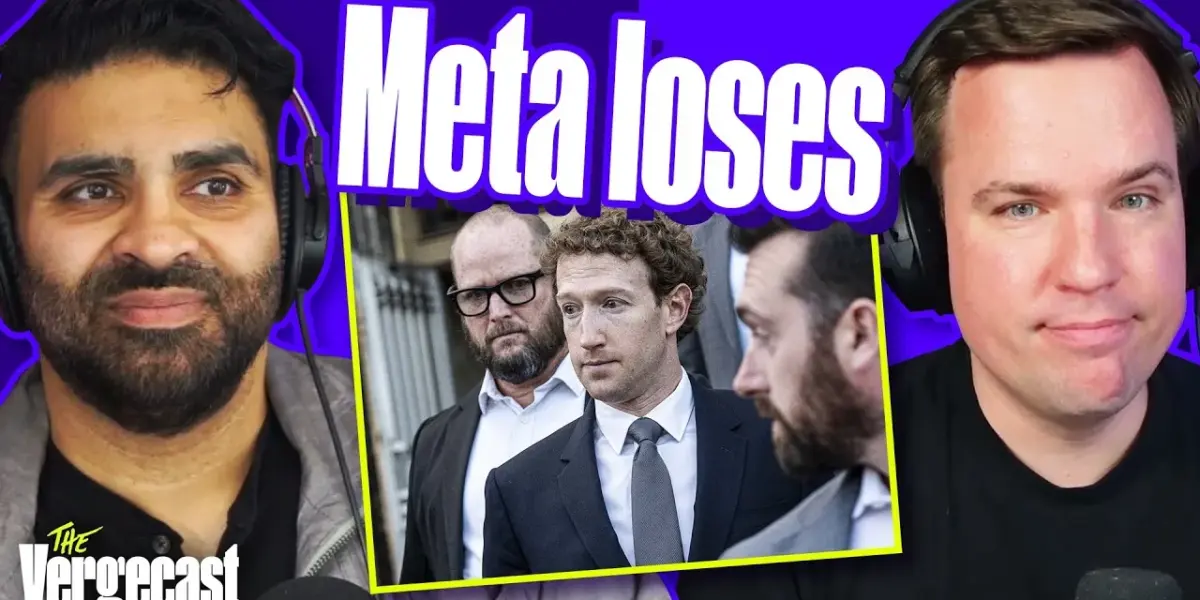
Meta’s Legal Battles Signal a New Era for Social Media
The past week has seen significant legal developments for Meta, the parent company of Facebook and Instagram. Two major court cases, one in New Mexico and another in California, have reached critical junctures, potentially reshaping how social media platforms operate and are held accountable. These verdicts are not just about Meta; they represent a crucial moment in the ongoing debate about the impact of social media on society and individuals.
Key Rulings Against Meta and YouTube
The most impactful ruling came from a California court, which found both Meta and YouTube liable for creating social media products that allegedly harm young people. This decision is a significant blow to the tech giants, as it suggests a growing willingness by the legal system to scrutinize the design and impact of these platforms. While the specifics of the damages will be determined later, the core finding of liability is a major victory for those who argue that social media contributes to mental health issues and other harms, particularly among younger users.
In New Mexico, a separate case focused more narrowly on Meta. While the details of this ruling are still unfolding, it adds to the mounting legal pressure on the company. Both cases are being widely referred to as “bellwether” trials, meaning their outcomes could set precedents for future lawsuits against social media companies. This opens the floodgates for numerous other lawsuits, indicating a potential shift in the legal landscape for the entire industry.
The Substance of the Lawsuits
At the heart of these lawsuits are claims that social media platforms are designed to be addictive and that their algorithms promote harmful content. Critics argue that companies like Meta and YouTube prioritize user engagement and advertising revenue over the well-being of their users, especially children and teenagers. The legal arguments often center on the design choices made by these companies, such as infinite scrolling, personalized feeds, and notification systems, which are alleged to exploit psychological vulnerabilities.
For example, the California case specifically addressed how Instagram’s features might contribute to body image issues and eating disorders among young users. The legal strategy often involves presenting evidence that the companies knew or should have known about these potential harms but continued to design their products in ways that exacerbated them. This is a complex legal challenge, as it requires proving not just that harm occurred, but that the platform’s design was a direct cause.
Broader Implications for the Tech Industry
These legal battles extend beyond Meta and YouTube, casting a shadow over the entire social media and tech industry. The rulings suggest that tech companies may no longer be able to operate with the same level of legal immunity they have enjoyed in the past. There is a growing public and political demand for greater accountability, and these court decisions reflect that sentiment. The potential for significant financial penalties and mandated changes to product design could force a fundamental rethink of how social media platforms are built and operated.
One area of particular focus is the Children’s Online Privacy Protection Act (COPPA) and similar regulations aimed at protecting minors online. Lawsuits have often invoked these laws, arguing that platforms have failed to adequately safeguard young users from inappropriate content and data collection. The outcomes of these cases could lead to stricter enforcement of existing laws and the creation of new regulations specifically targeting the design of social media for younger audiences.
Who Should Care and Why?
Parents are understandably concerned about the impact of social media on their children’s mental health and development. These rulings offer some reassurance that the platforms may face consequences for designs that contribute to harm. For young people themselves, these cases highlight the ongoing debate about their digital well-being and the responsibility of the companies they interact with daily.
Policymakers and regulators are watching these developments closely. The outcomes could inform future legislation and regulatory actions aimed at curbing the negative effects of social media. Tech industry professionals, especially those involved in product design and policy, should also pay attention, as these cases could lead to significant shifts in industry practices and legal requirements.
Looking Ahead
The legal challenges for Meta and other tech giants are far from over. These initial rulings are likely to be appealed, and further litigation is expected. However, the momentum appears to be shifting, with courts and the public increasingly scrutinizing the societal impact of social media. The coming months and years will reveal the full extent to which these legal battles reshape the digital landscape and the future of social media.
Source: Meta's court losses could be just the beginning | The Vergecast (YouTube)

Related Articles

Social Media Giants Face Lawsuits Over Addictive Designs
Tech giants Meta and Google are facing significant legal challenges as juries find them liable for the addictive design of their platforms and the harm caused to young users. Recent verdicts in California and New Mexico have ordered the companies to pay millions in damages, highlighting concerns over mental health impacts and child exploitation.


New Food Channel Seeks 1,000 Subs, 4,000 Watch Hours
Content creators Joe and Naz have launched a new YouTube channel focused on food exploration. "Joe and Naz" aims to reach 1,000 subscribers and 4,000 watch hours to grow its audience. The duo plans to feature restaurant reviews, travel, and audience-suggested content.


Meta, YouTube Lose Landmark Cases Over Teen Harm
Meta and YouTube have been found liable in landmark cases alleging their platforms contribute to harm among teenage users. Juries saw through company denials after prosecutors presented damning internal documents showing awareness of negative impacts. This ruling could lead to significant changes in how social media companies are held accountable.