US Weighs Iran Troop Surge Amid Insider Trading Fears
The US Pentagon is reportedly considering sending 10,000 more troops to the Middle East amid rising tensions with Iran. This comes as lawmakers push to ban political figures from trading on prediction markets due to insider trading concerns.

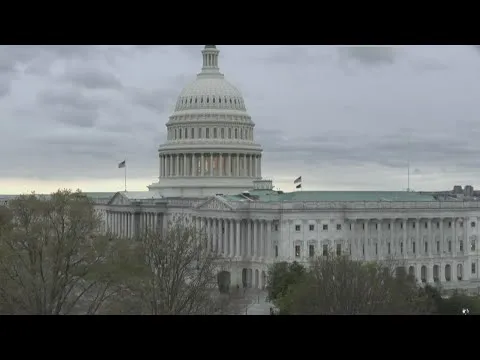
US Weighs Iran Troop Surge Amid Insider Trading Fears
The United States Pentagon is reportedly considering a significant increase in military presence in the Middle East. Reports suggest plans to send up to 10,000 more ground troops to the region. This move comes even as President Trump has stated a pause on strikes against Iran’s energy infrastructure. The Department of War is preparing various military options for the President, including potential actions along the Strait of Hormuz.
Escalating Military Options
While President Trump has previously denied intentions of deploying troops into Iran, the current military preparations suggest an invasion scenario is becoming more possible. This escalation appears linked to the lack of a peace deal. An upcoming deadline of April 6th may determine the next steps. These military considerations are unfolding in a tense geopolitical climate.
Concerns Over Prediction Market Trading
Alongside military planning, a growing concern involves lawmakers and government officials using prediction markets. These are platforms where people bet on future political events. Recently, Democratic Congressman Seth Moulton and his staff were banned from using these markets. This action highlights worries about potential insider trading within the political class.
Calls for Broader Ban on Prediction Markets
Some members of Congress want to expand these restrictions significantly. They are proposing a bill to ban members of Congress, the President, Vice President, senior staff, and political appointees, along with their families, from trading on prediction markets. This would cover bets on political outcomes, policy decisions, and government actions.
The Iran War Bets Spark Controversy
The debate intensified due to unusual bets placed on prediction markets related to the Iran conflict. One notable bet occurred the day before military action began. These trades have raised serious questions about potential insider trading and unfair advantages. Such activities could undermine public trust in government processes.
White House Responds to Allegations
The White House has addressed these concerns directly. They stated that any suggestion of administration officials engaging in such activity without evidence is baseless and irresponsible. Existing government ethics rules already prohibit federal employees from using non-public information for financial gain. However, lawmakers are exploring new legislation to strengthen these protections.
Proposed Legislation and Election Betting
Beyond the Iran conflict, lawmakers are also considering other bills. These proposals aim to ban individuals from betting on election results. The goal is to prevent conflicts of interest and ensure the integrity of political processes. These efforts reflect a broader push for greater transparency and accountability in government.
Global Impact
Why This Reshapes the World Order
The potential deployment of thousands of US troops to the Middle East signifies a possible major escalation in regional tensions. This could draw the US deeper into conflict, impacting global energy markets and international relations. Simultaneously, the debate over prediction markets touches on fundamental issues of government ethics and insider trading. If new laws are passed, they could set a precedent for how political figures engage with financial markets, aiming to restore public confidence. The intersection of military action and concerns over financial impropriety presents a complex challenge for US foreign policy and domestic governance.
Historical Context
Historically, the US has maintained a significant military presence in the Middle East to ensure stability and protect interests, particularly concerning oil flow. However, direct military intervention within Iran itself has been a sensitive issue, often debated due to potential regional destabilization. The current situation echoes past debates about military engagement and its costs. The scrutiny of prediction markets is newer, but it connects to a long history of concerns about conflicts of interest and the use of privileged information by those in power.
Economic Leverage
The US has used economic tools like sanctions against Iran. Military actions, especially targeting energy infrastructure, directly impact global oil prices. The Strait of Hormuz is a critical chokepoint for global oil transport. Disruptions here can have far-reaching economic consequences worldwide. The preparation for potential military action suggests the US is considering options that could significantly affect global energy supplies.
Regional Alliances and Rivalries
A heightened US military presence could influence relationships with allies and rivals in the region. Countries like Saudi Arabia and Israel may view increased US commitment as a positive development against perceived threats from Iran. Conversely, it could further strain relations with other regional players and potentially draw in other global powers with interests in the area.
Future Scenarios
One scenario is a diplomatic resolution that de-escalates tensions, avoiding further troop deployment. Another is a limited military engagement that does not involve a full-scale invasion of Iran. The most concerning scenario involves a direct conflict with Iran, which could have devastating consequences for the region and the global economy. The outcome also depends on the effectiveness of new regulations on prediction market trading and the political will to enforce them.
Source: Lawmakers aim to bar policymakers from prediction market trading | Morning in America (YouTube)

Related Articles


Heated Cabinet Meeting Exposes Media-Trump Dance
A recent televised cabinet meeting saw Pete Hegseth clash with the media over reporting on Iran, calling the operations a "pure American success." Critics argue these meetings are performative and question the narrative of success, citing potential troop involvement and ongoing Iranian defiance.

US Allies Rethink Ties as Washington Sows Global Discord
Allegations of geopolitical confusion and disregard for allies from the White House are straining international relationships. This perceived unpredictability is forcing nations to reconsider alliances and forge new economic partnerships, potentially reshaping the global order.


US Spy Agency Seeks Hollywood Influence
A U.S. intelligence officer reportedly offered producers inside information in exchange for specific narrative inclusions in their shows. This alleged quid pro quo, discussed in relation to the TV series 'Dark Skies,' suggests a new strategy for intelligence agencies to influence public perception through popular culture.