House Faces DHS Funding Vote Amidst Border Chaos Fears
The House is set to vote on critical funding for the Department of Homeland Security, facing procedural challenges and intense debate. Republicans are exploring budget reconciliation for immigration enforcement, while a tragic incident involving an Air Force veteran allegedly killed by an undocumented immigrant fuels the controversy. Concerns linger over airport chaos and broader economic impacts.

House Faces Crucial DHS Funding Vote Amidst Border Chaos Fears
Lawmakers in the House of Representatives are set to vote on funding for the Department of Homeland Security (DHS) this morning. This vote comes after weeks of delays and chaos, particularly impacting airport operations. The Senate has already approved a deal to fund the department. However, this bill notably excludes funding for ICE enforcement and removal operations. It also does not include the immigration reform measures that Democrats initially sought.
Congressman Mike Haridopolous of Florida stated he would vote in favor of the DHS funding deal. He expressed a desire to end what he called the chaos inflicted by Democrats. He believes the vote will help get the government fully operational. The bill now heads to the House, where a series of votes are scheduled before lawmakers leave for a two-week Easter recess. However, potential procedural hurdles could complicate the process. House rules for the 119th Congress may prevent moving bills under suspension of the rules on certain days of the week. This could force a delay until Monday if a rule-based passage fails.
Immigration Enforcement and Reconciliation Strategies
There is growing momentum among Congressional Republicans to use budget reconciliation for new immigration enforcement funding. This strategy could provide resources for ICE and Customs and Border Protection (CBP). Senate Majority Leader Thune has called it a strong possibility. Senate Budget Committee Chairman Lindsey Graham is urging his committee to begin this process. Reconciliation allows legislation to pass the Senate with a simple majority, bypassing the need for 60 votes. This is seen as a key advantage to overcome Democratic opposition.
Congresswoman Claudia Tenney highlighted the frustration over government shutdowns. She believes Democrats, by pandering to the far left, have caused these disruptions. She pointed to issues like TSA agents not getting paid and people missing flights. Tenney emphasized that many members of Congress, including herself, wait in line at airports like everyone else. She described the current situation as unacceptable, comparing the operational efficiency to that of a third-world country. She argued that Democrats prioritize allowing illegal immigrants into the country to boost their voter base, as they lack popular policies.
The reconciliation strategy could also fund the Pentagon’s supplemental request for Iran and parts of the Save America Act. This approach aims to address multiple priorities that could not be included in the larger DHS bill. It could also include measures like the Working Families Tax Cut, which Tenney believes is performing well in communities, especially those driven by small businesses. She contrasted the current economic situation with a potential future under policies that shut down oil and gas exploration, crediting President Trump for opening these avenues again.
Tragic Incident Highlights Immigration Concerns
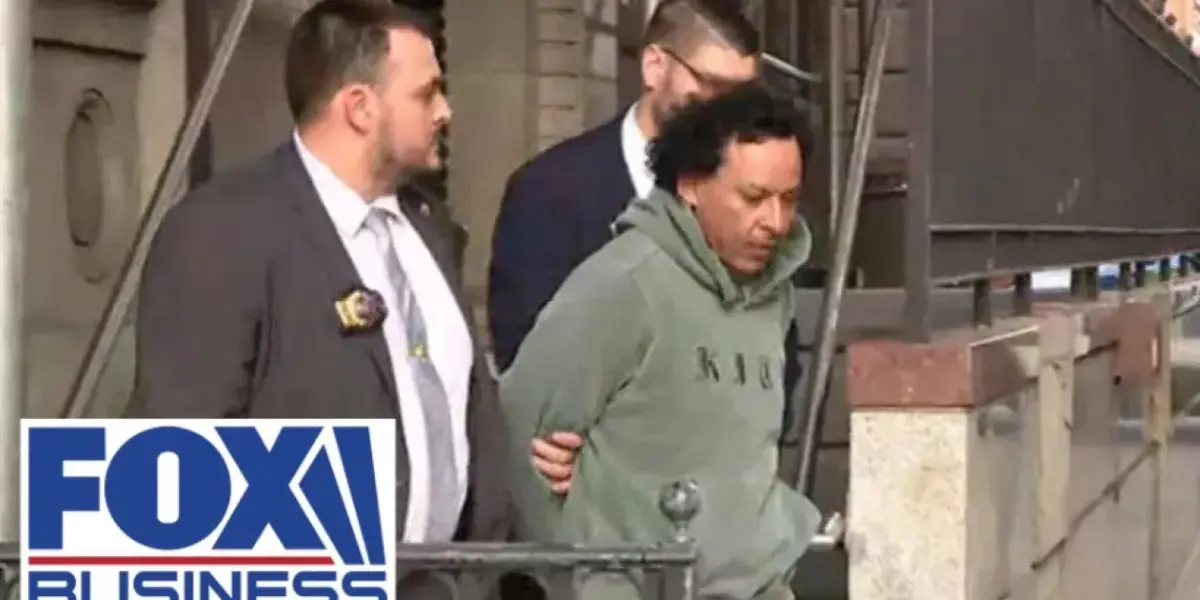
A tragic event in New York has intensified the debate surrounding immigration. An 83-year-old Air Force veteran, Richard Williamson, died after being shoved onto subway tracks earlier this month. The suspect, identified as 34-year-old Baron Hernandez, is an undocumented Honduran national with a significant criminal record. The Mayor of New York’s office referred questions about turning Hernandez over to ICE to the Department of Corrections. A spokesperson stated that the process of detaining individuals is consistent with local laws, which may limit cooperation with ICE in such cases.
Congresswoman Tenney called the incident “totally tragic.” She expressed outrage that a veteran who survived cancer was allegedly killed by an undocumented immigrant in his own country. She believes such incidents will continue to occur. Tenney proposed making illegal border crossing and remaining in the country illegally a more serious crime. This, she suggested, would give ICE and Homeland Security the authority to obtain warrants and remove dangerous individuals from prisons. She criticized governors like Kathy Hochul and Attorney General Letitia James for supporting sanctuary city policies. These policies, she argued, hinder cooperation with ICE and prevent the removal of dangerous undocumented immigrants, ultimately making communities less safe.
Tenney also spoke about the impact of these policies on New York State. She cited over 2 million people leaving the state since 2010, taking their wealth with them. She criticized the state’s focus on funding housing and food for undocumented immigrants while, in her view, neglecting veterans. The congresswoman also called for an IRS investigation into hundreds of nonprofits in New York. She suspects they may have engaged in illegal partisan political activity, potentially violating their tax-exempt status. These groups, she argued, should lose their 501(c)(3) status if they are funding political campaigns, which is a direct violation of the law.
Market Impact and Investor Considerations
The ongoing debate and potential legislative actions surrounding immigration funding and enforcement have significant implications for various sectors. Uncertainty in government funding can create short-term volatility in markets, particularly for companies reliant on government contracts or services. The focus on immigration and border security may also influence consumer sentiment and tourism, as suggested by claims of lower tourism numbers in New York due to safety concerns. Investors closely watch these developments as they can impact economic growth, labor markets, and public spending priorities.
The potential use of budget reconciliation for immigration measures signals a willingness by some lawmakers to pursue policy goals aggressively, even if it bypasses traditional legislative negotiation. This can lead to quicker policy changes but may also create more partisan division. For investors, understanding these political dynamics is crucial. The long-term impact will depend on the specifics of any enacted legislation and its effect on the economy, business operations, and overall national security posture. The debate also touches upon broader themes of law and order, economic prosperity, and the allocation of public resources, all of which are key considerations for market participants.
Furthermore, the call for IRS investigations into political activity by nonprofits highlights concerns about transparency and the integrity of the non-profit sector. This could lead to increased scrutiny of such organizations and potentially impact their operations and funding. The economic implications of out-migration from states like New York, driven by policy decisions, are also a factor for long-term economic forecasting and investment decisions in those regions.
Source: 'TRAGIC': US veteran MURDERED by alleged FOUR-TIME DEPORTED illegal alien (YouTube)

Related Articles
Government Shutdown Sparks TSA Pay Chaos; Woods Arrested
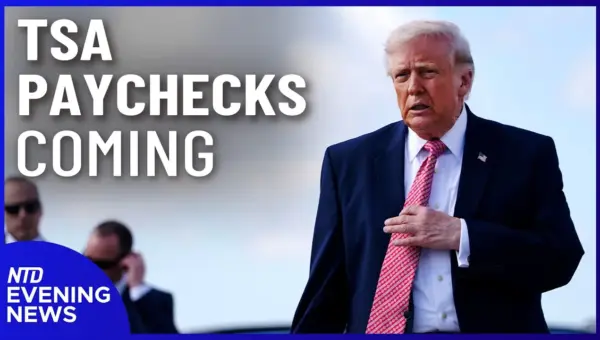
The government shutdown caused major disruptions, leading to TSA agents working without pay and President Trump signing an order to ensure their compensation. Meanwhile, golf icon Tiger Woods was arrested following a car crash in Florida. The news cycle also covered US operations in Iran, support for American farmers, political discussions at CPAC, election record disputes, and lawsuits against social media companies for their impact on students.

Immigration Debate Ignites Over Murder Suspect’s Status
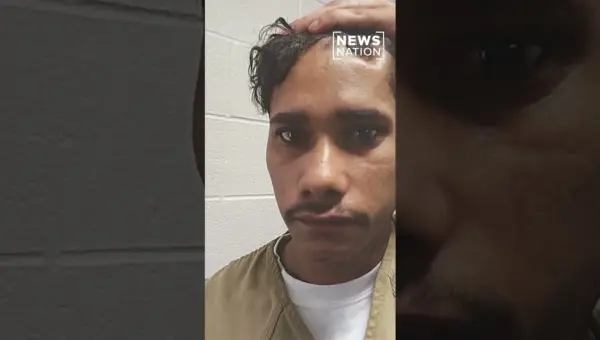
A Venezuelan national accused of murder has become a focal point in the U.S. immigration debate. Prosecutors presented evidence of his alleged involvement in a student's death, while the defense highlighted his difficult background. The case raises questions about public safety and migrant support.


House Republicans Block DHS Funding Bill; Iran Faces War Fears
House Republicans have rejected a Senate-passed bill to fund the Department of Homeland Security, leaving thousands of TSA workers unpaid and deepening a political standoff. Meanwhile, in Iran, citizens face escalating conflict amidst fear, an internet blackout, and growing internal divisions, though glimmers of hope persist.