GOP’s Russia Ties Spark Alarm Amid Global Instability
Recent interactions between certain Republican lawmakers and sanctioned Russian officials have sparked significant concern. These meetings, occurring amidst escalating global tensions and allegations of Russian support for Iran, raise questions about U.S. foreign policy and national security.

GOP’s Russia Ties Spark Alarm Amid Global Instability
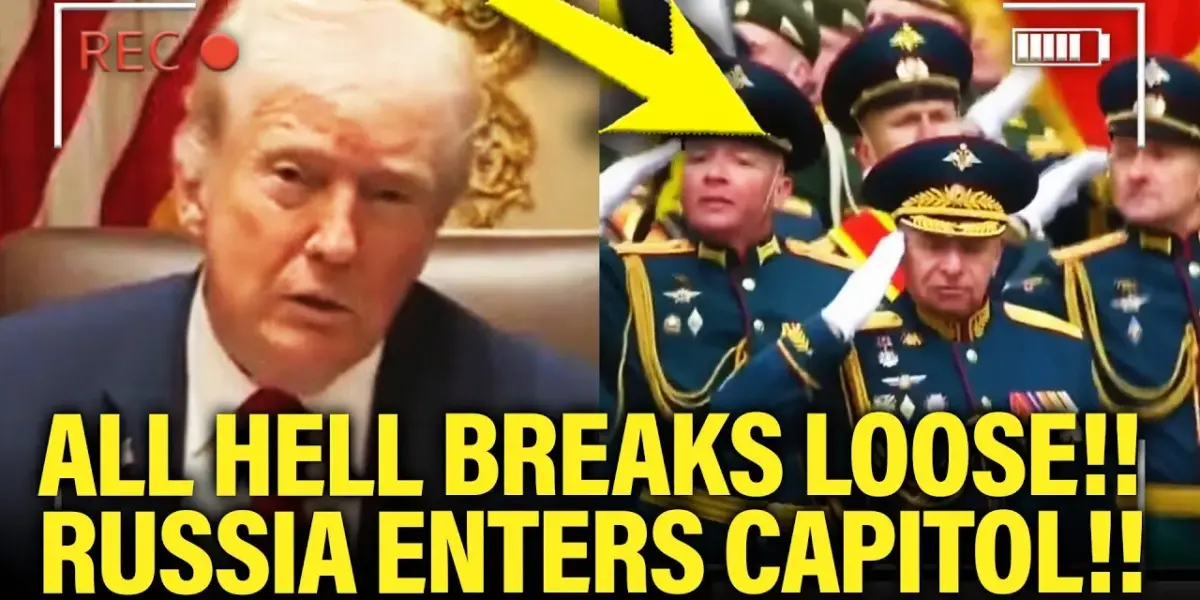
Recent events have raised serious questions about the relationship between some Republican lawmakers and Russian officials. Top Russian lawmakers, members of the Duma, recently visited Washington D.C. at the invitation of certain Republican members of Congress and individuals associated with the Trump administration. This visit, which included tours of Capitol Hill, has drawn criticism due to the ongoing sanctions against many of these Russian officials.
A Meeting of Allies?
Photographs have surfaced showing Republican Congress members, including Anna Paulina Luna, Andy Ogles, Eli Crane, and others, interacting with the Russian Duma delegation. These interactions, which reportedly included discussions about economic cooperation, occurred as former President Donald Trump made public statements criticizing NATO and expressing feelings of betrayal by the alliance. Trump also reportedly confirmed that the U.S. would redirect weapons intended for Ukraine to the Middle East, a move that has significant implications for the ongoing conflict.
Adding to the concern, these events coincide with reports that the Trump administration had previously eased sanctions on Russian oil. Russia is reportedly earning billions daily, which could be funding its war efforts in Ukraine. Furthermore, there are allegations that Russia is providing Iran with resources and intelligence, including drones, to target American military installations in the Middle East. This has allegedly led to the evacuation of 13 U.S. military bases in the region.
Context of Global Tensions
The visit of the sanctioned Russian Duma members to the U.S. is seen by critics as particularly alarming given the broader geopolitical context. Russia and Iran are described as close allies, with Russia allegedly supplying Iran with weapons and intelligence. Iranian President Ebrahim Raisi has publicly thanked Russia and President Putin for their support, hinting at military assistance that aids Iran in its regional activities.
Meanwhile, Ukraine continues to face pressure. Ukrainian President Volodymyr Zelenskyy has appealed to European nations for greater self-sufficiency in producing air defense systems and drones, suggesting a reliance on partners is no longer sufficient. Zelenskyy has also highlighted Ukraine’s contributions to global security, including its role in stabilizing energy markets, and has expressed a desire for closer cooperation with European defense initiatives.
Concerns Over U.S. Policy
Critics argue that these developments weaken the U.S. standing on the global stage and benefit adversaries like Russia. The removal of sanctions on Russian oil, coupled with the welcoming of sanctioned Russian officials, is viewed by some as a reward for Russia’s actions. This is happening while Ukraine faces continued aggression and the U.S. military faces threats in the Middle East.
Additionally, there are reports of advanced drone activity near Barksdale Air Force Base in Louisiana, home to U.S. nuclear-armed B-52 bombers. While the military has described these as training exercises, some observers suggest these incidents could be intended to send a message about potential vulnerabilities.
Why This Matters
This situation raises fundamental questions about U.S. foreign policy and national security. The reported interactions between certain Republican lawmakers and sanctioned Russian officials, alongside policies that appear to benefit Russia, come at a time of significant global instability. The allegations of Russian support for Iran, which may be targeting U.S. interests, add another layer of complexity and concern.
The narrative presented suggests a divergence in approach between traditional U.S. alliances, like NATO, and the actions of a faction within the Republican party. The implications for international relations, the future of security alliances, and the ongoing conflicts in Ukraine and the Middle East are substantial. As Europe reportedly ramps up its own defense industry, the U.S. risks being perceived as disengaged or even undermining its own security interests.
Looking Ahead
The events described point to a challenging period for U.S. foreign policy. The extent to which these interactions and policy shifts will impact global security remains to be seen. However, the concerns raised highlight the need for clear communication and a unified approach to national security in an increasingly complex world. The relationships being forged and the policies being enacted will likely shape international dynamics for years to come.
Source: All HELL BREAKS LOOSE as Trump SURRENDERS to RUSSIA!!! (YouTube)

Related Articles
Government Shutdown Sparks TSA Pay Chaos; Woods Arrested
The government shutdown caused major disruptions, leading to TSA agents working without pay and President Trump signing an order to ensure their compensation. Meanwhile, golf icon Tiger Woods was arrested following a car crash in Florida. The news cycle also covered US operations in Iran, support for American farmers, political discussions at CPAC, election record disputes, and lawsuits against social media companies for their impact on students.


MAGA Faces Crisis: Internal Strife and Public Doubt Emerge
The MAGA movement is reportedly facing internal divisions and growing public doubt. Key issues like the Iran conflict and economic concerns are creating rifts within the base, while criticism questions the movement's appeal and direction. These factors suggest a potential fracturing of the once-unified political force.
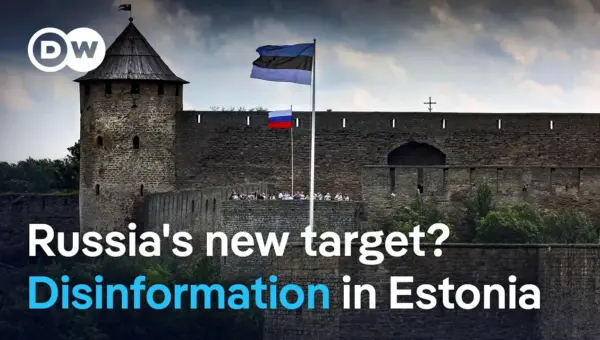
Russia Targets Estonia With Disinformation in Border City
Russia is reportedly conducting a disinformation campaign targeting Estonia's border city of Narva, aiming to sow discord among its Russian-speaking population. The online operation promotes separatist ideas, though residents largely dismiss the claims as fake. Estonian authorities view the campaign as a low-cost effort to undermine trust, with no concrete evidence of direct Russian government involvement.