Senate Funds DHS, Easing Airport Chaos: What’s Next?
The Senate has agreed to fund the Department of Homeland Security, excluding ICE and Border Patrol, a move aimed at easing airport disruptions. Meanwhile, global markets react to ongoing tensions with Iran, and the Justice Department launches investigations into medical school admissions.

Senate Reaches DHS Funding Deal Amid Airport Crisis
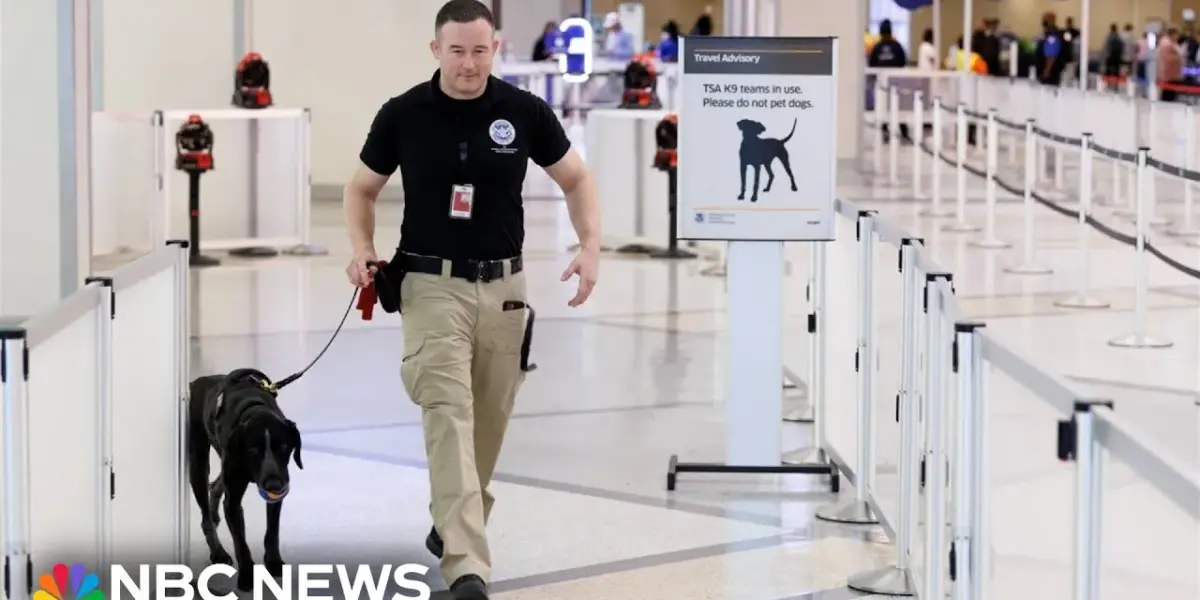
In a significant development late Thursday, the U.S. Senate reached an agreement to fund the Department of Homeland Security (DHS), a move that could bring relief to weary travelers and federal workers. The deal, however, excludes funding for Immigration and Customs Enforcement (ICE) and Border Patrol. This means agencies like the Transportation Security Administration (TSA), Customs and Border Protection, and FEMA will receive the necessary funds. The Senate passed the measure unanimously by voice vote, ending weeks of intense negotiations and political wrangling.
Airports Brace for Potential Relief as Funding Deal Emerges
The breakthrough in Washington comes after President Trump announced he would sign an executive order to ensure TSA workers receive their pay. This executive action aims to alleviate the staffing shortages and chaotic conditions plaguing airports nationwide. For weeks, travelers have faced unusually long lines at security checkpoints, leading to missed flights and widespread frustration. The Senate’s funding package, if approved by the House, would provide a more permanent solution, allowing TSA agents and other DHS employees to be paid without interruption.
House Faces Critical Vote on DHS Funding
Despite the Senate’s unanimous vote, the path forward in the House of Representatives remains uncertain. Republican leadership has previously expressed objections to separating ICE funding from the rest of the DHS budget. This disagreement has been a major sticking point throughout the negotiations. Lawmakers are under pressure to finalize the deal before departing for a two-week recess. The House is expected to hold a vote on the measure later today, but the outcome is far from guaranteed.
Democrats Push for Immigration Reforms Amid Funding Debate
While the Senate deal does not include the immigration reforms Democrats had sought, party leaders insist they will continue to fight for these changes. They point to a reduction in federal officer presence in some areas and discussions about requiring judicial warrants for ICE entry into private homes as signs of progress. However, Senate Republicans have suggested that the opportunity for such reforms within this funding package has passed. There is a possibility that Republicans might pursue ICE funding through a reconciliation process, which would bypass Democratic input.
International Tensions Simmer: War with Iran Continues
Beyond domestic concerns, the ongoing conflict with Iran remains a critical global issue. President Trump stated that Iran is seeking a deal to end the war, claiming they are “begging for a deal.” He has extended a pause on strikes against Iran’s energy plants until April 6th, allowing more time for potential negotiations. Despite this pause, the U.S. and Israel conducted strikes overnight targeting Iran’s naval capabilities and aerial defense systems. The Strait of Hormuz remains a focal point, with both sides asserting control and impacting global markets.
Market Volatility Linked to Geopolitical Uncertainty
The persistent uncertainty surrounding the Iran conflict and its potential impact on oil prices has taken a toll on global financial markets. The S&P 500 experienced its worst single day since the war began, with the Nasdaq falling into correction territory. Crude oil prices have continued to rise, contributing to inflation concerns and affecting consumer costs. Experts note that while the stock market reflects investor sentiment about future profits, the current volatility is driven by fears of geopolitical instability and its effect on global growth.
DOJ Investigates Medical School Admissions Policies
In a separate development, the Justice Department has launched civil rights investigations into the admissions policies of three major medical schools: Stanford, Ohio State, and the University of California, San Diego. These investigations reportedly stem from concerns about potential racial discrimination in admissions, particularly in light of recent Supreme Court decisions. The schools have been given an April 24th deadline to provide data, facing potential disruptions to federal funding if they do not comply. The inquiry came to light through an inadvertent social media post by the head of the DOJ’s Civil Rights Division.
Looking Ahead: Airport Operations and Global Markets
Travelers will be closely watching the House’s vote on the DHS funding bill, hoping for a swift resolution to the airport chaos. The outcome could determine whether TSA agents and other federal employees return to full duty without pay concerns before the upcoming recess. Meanwhile, the ongoing developments in the Iran conflict and their impact on oil prices will continue to shape global markets. Investors and policymakers will be monitoring diplomatic efforts and military actions for signs of de-escalation or further escalation.
Source: This Morning’s Top Headlines – March 27 | Morning News NOW (YouTube)

Related Articles
Government Shutdown Sparks TSA Pay Chaos; Woods Arrested
The government shutdown caused major disruptions, leading to TSA agents working without pay and President Trump signing an order to ensure their compensation. Meanwhile, golf icon Tiger Woods was arrested following a car crash in Florida. The news cycle also covered US operations in Iran, support for American farmers, political discussions at CPAC, election record disputes, and lawsuits against social media companies for their impact on students.


House Republicans Block DHS Funding Bill; Iran Faces War Fears
House Republicans have rejected a Senate-passed bill to fund the Department of Homeland Security, leaving thousands of TSA workers unpaid and deepening a political standoff. Meanwhile, in Iran, citizens face escalating conflict amidst fear, an internet blackout, and growing internal divisions, though glimmers of hope persist.


Israelis Brace for War: Missile Alerts Disrupt Daily Life
Israeli citizens are enduring a fourth week of war with Iran, marked by constant missile alerts and frequent trips to bomb shelters. While a majority support the ongoing conflict, the daily disruption and uncertainty are taking a toll, with some questioning the war's ultimate goals and advocating for diplomatic solutions.