Iran Rejects Ceasefire, Escalating Middle East Conflict
Iran has rejected a U.S.-proposed ceasefire, escalating the ongoing conflict in the Middle East. The U.S. is deploying additional troops while Iran presents its own demands. Meanwhile, domestic issues like DHS funding create travel disruptions. In legal news, Meta and Google lost major court battles concerning addictive platform designs, facing significant damages.


Iran Rejects Ceasefire, Escalating Middle East Conflict
The conflict in the Middle East shows no signs of ending soon, as Iran has rejected a 15-point ceasefire plan put forward by the United States. Iran has stated that the war will only end on its own terms and when its conditions are met. This rejection comes as airstrikes continue from both sides. In response, the Pentagon is reportedly preparing to send 2,000 troops from the Army’s 82nd Airborne Division to the Middle East. This specialized unit is known for securing territory in high-intensity conflict zones.
Iran’s Demands and Shifting Tactics
While publicly rejecting the U.S. peace plan, behind the scenes, Iran has put forth its own counter-offer. This indicates that some level of dialogue, however strained, is occurring. Iran’s state television has broadcasted several demands. These include gaining full control over the Strait of Hormuz, an end to all aggression and strikes within its borders, and reparations for damages suffered during the war. The demand for reparations is seen as a particularly difficult point to negotiate.
Interestingly, research shows a decrease, or at least a leveling off, in the number of daily missile and drone launches by Iran. However, the effectiveness of these strikes appears to have increased. Since March 10th, about a quarter of Iranian missiles have reportedly reached their targets, a notable shift coinciding with the reduction in the frequency of attacks.
U.S. Military Response and Diplomatic Uncertainty
The U.S. is responding to the ongoing conflict by deploying additional forces. Approximately 200 Marines are expected to arrive in the Middle East this week. This deployment is in addition to the potential 3,000 troops from the 82nd Airborne Division. Lawmakers have been briefed on the situation, and some have expressed opposition to deploying U.S. “boots on the ground.” The exact role of these incoming forces remains unclear, but they may be intended to secure key areas or support operations like securing the Strait of Hormuz.
The question of who is leading negotiations for Iran remains complex. While the Iranian parliamentary speaker, Mohammad Kalibah, has been mentioned, there doesn’t appear to be a single, unified voice. The military infrastructure, particularly the IRGC, seems to hold significant control. President Trump has also noted the difficulty in identifying a clear point person, humorously suggesting that any publicly identified negotiator might become a target for assassination.
Israel’s Position and Regional Dynamics
Israel, a key partner in previous efforts, appears to be on the sidelines of the current peace talks. While the U.S. has proposed a plan and Iran has offered a counter-proposal, Israel has not been publicly involved in these negotiations. Israel continues its ground invasion of Lebanon and conducts heavy strikes in Iran. However, Israel has asked some countries to expel Iranian diplomats, indicating continued engagement through other channels.
Domestic U.S. Issues: DHS Funding and Travel Disruptions
Domestically, the U.S. is facing challenges related to funding for the Department of Homeland Security (DHS), which includes the TSA. A recent Senate vote on funding failed, and a Democratic counter-offer was dismissed by Senate Majority Leader John Thun. This political deadlock has led to an impasse, with no clear end in sight for the ongoing government shutdown affecting agencies like the TSA, Coast Guard, FEMA, and ICE. This shutdown is causing significant disruptions, including long security lines at airports. For example, JFK Airport in New York has seen a 36.8% TSA callout rate, Houston’s George Bush Airport 39.8%, and Atlanta’s Hartsfield Jackson International 36.6%.
Adding to the economic impact, the war in the Middle East has caused jet fuel prices to surge by over 100% in a month, reaching $197 a barrel. This is leading to potential increases in airline ticket prices. The U.S. Postal Service is also expected to implement an 8% surcharge on packages starting in April to cover rising fuel costs, a measure that could last until 2027. Elon Musk’s offer to pay TSA workers during the shutdown was reportedly rejected by the White House due to legal complexities.
Human Interest Stories: Missing Persons Cases
The program also touched on deeply personal stories. Savannah Guthrie, co-anchor of the Today Show, made her first appearance since her mother, 84-year-old Midge Guthrie, was kidnapped from her Tucson home nearly eight weeks ago. The family is offering a $1 million reward, adding to the $100,000 reward from the FBI, for information leading to Midge’s return. The investigation has faced criticism regarding the handling of the case by Sheriff Nanos, who is also under scrutiny for allegations of past misconduct and dishonesty.
Another poignant story was that of Amy Bradley, who vanished from a cruise ship in the Caribbean 28 years ago. Her brother, Brad Bradley, shared his family’s enduring hope of finding her, despite the lack of concrete evidence. The family believes Amy is still alive and continues their search, expressing frustration with the FBI’s handling of the case and the lack of updated efforts, such as new age-progression photos or an increased reward.
Legal Battles: Meta and Google Face Consequences
Significant legal developments also occurred with major tech companies. A Los Angeles jury found Meta (Facebook and Instagram) and Google (owner of YouTube) liable for $6 million in damages. The case involved a lawsuit by a 20-year-old woman who claimed that the addictive design features of Instagram and YouTube contributed to her childhood depression, anxiety, and body dysmorphia. The jury agreed, finding the platforms negligently designed and failed to warn users of the risks.
This ruling is considered a landmark because it holds these platforms accountable for harms caused by their product design, moving beyond the typical protection they receive for user-generated content. Meta is responsible for roughly 70% of the damages. Both companies have stated their intention to appeal this decision. This verdict is expected to lead to thousands of similar lawsuits against social media companies, as juries are now seen as more likely to award damages in such cases.
Source: Iran rejects ceasefire; Meta, Google lose major court battles | Jesse Weber Live Full Show 3/25 (YouTube)

Related Articles

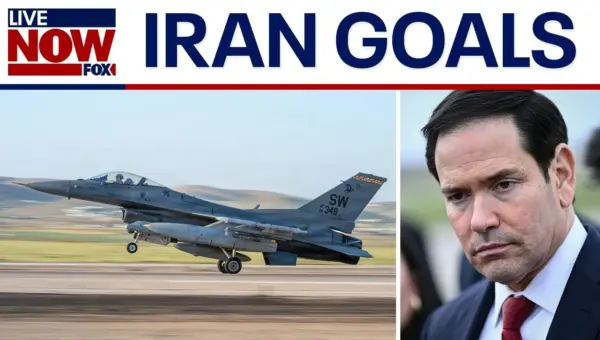
Rubio: US Can Achieve Iran War Goals Without Troops
Senator Marco Rubio outlined a strategy to counter Iran without deploying U.S. ground troops, focusing on weakening the regime and enhancing maritime security. He also criticized Cuba's economic system and expressed concerns about West Bank violence.


Israelis Forge Resilience Amidst Constant Bomb Shelter Drills
Life in Israel is a blend of resilience and constant vigilance, with many families adapting to frequent bomb shelter drills and even sleeping in makeshift shelters. Despite ongoing missile attacks, Israelis strive to maintain normalcy, though businesses face disruption and emotional fatigue is a growing concern.

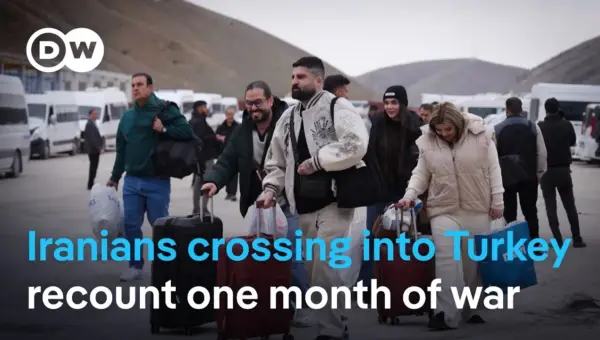
Iran War Exodus: Refugees Flee to Turkey Amidst Bombings
A train from Tehran brings refugees to Turkey, fleeing daily bombings and economic collapse. Many express deep fear for loved ones left behind, while some hold onto national pride and hope for victory. The conflict's impact is also felt economically in Turkey, with rising gas prices.