US Pauses Iran Strikes, Seeks Diplomacy Amid Escalation
President Trump has paused U.S. strikes on Iran's energy sector for 10 days, allowing diplomatic talks to proceed. The U.S. is pushing a 15-point proposal, while also maintaining a strong military stance. This diplomatic push occurs alongside escalating conflict in Israel and new defense pacts in the Middle East.

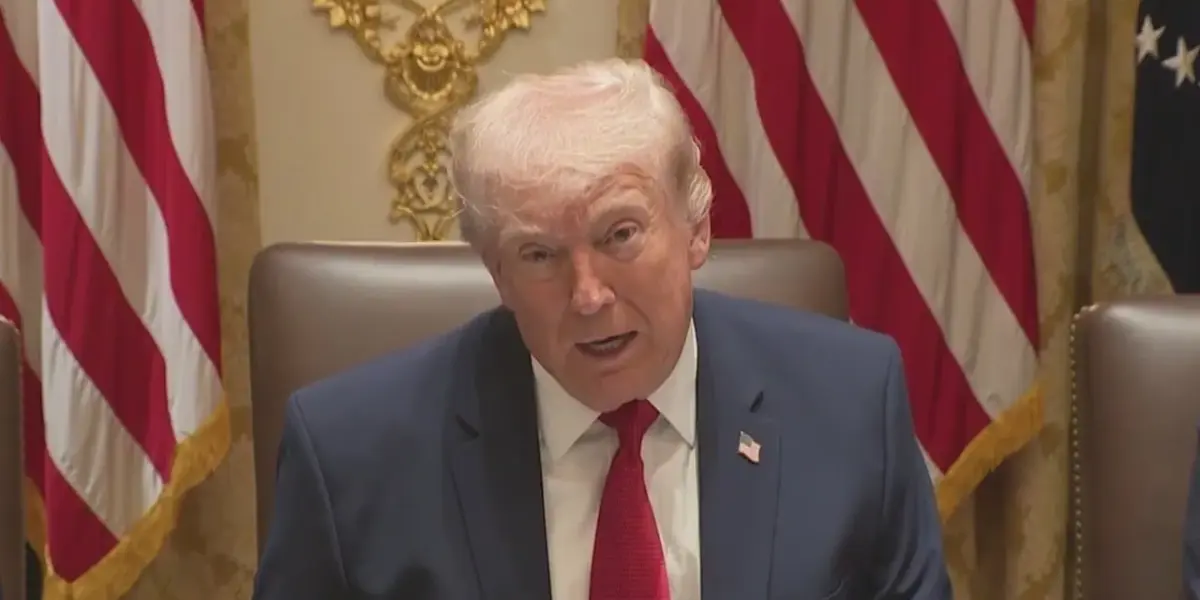
US Pauses Iran Strikes, Seeks Diplomacy Amid Escalation
President Trump has extended a pause on U.S. strikes against Iran’s energy infrastructure. This move offers a 10-day window, until April 6, 2026, for ongoing diplomatic talks. The White House stated this pause came at Iran’s request. This suggests a potential opening for peace, even as Iran officially denies negotiations are happening.
Behind the Diplomatic Maneuver
The U.S. has presented a 15-point proposal to Iran. Special Envoy Steve Witkoff confirmed this plan. Despite Iranian media statements claiming no talks are underway, messages are being exchanged. Pakistan, Egypt, and Turkey are acting as intermediaries between Washington and Tehran. The extended pause shows the administration wants to give these diplomatic channels a chance to work.
U.S. Position: Strength and Leverage
President Trump emphasized that the U.S. is negotiating from a position of strength. He believes America has the upper hand. This stance is meant to pressure Iran. The goal is to make Iran feel it has little choice but to agree to terms. Trump suggested Iran is in a weak position, unable to recover from current challenges. He also stated the U.S. can freely move and destroy Iran’s weapons, including nuclear capabilities, missiles, and drones.
Global Diplomacy in Motion
Diplomatic efforts are happening on multiple fronts. Secretary of State Marco Rubio is in France. He met with France’s Foreign Minister and other G7 leaders. The U.S. has been critical of European allies for not doing enough to ensure safe passage through the Strait of Hormuz. Discussions with the G7 likely focused on regional security and Iran’s actions.
Saudi Arabia and Ukraine’s Defense Pact
Meanwhile, in Saudi Arabia, Ukraine announced a new defense agreement. This deal includes sharing weapons and intelligence. Ukraine has been a key partner for Gulf states, helping them with defensive drone technology. This pact highlights shifting regional security dynamics and Ukraine’s growing influence in defense partnerships.
Escalating Conflict on the Ground
Despite the diplomatic push, fighting has not subsided. Israel has experienced a busy 24 hours. At least a dozen alerts sounded due to Iranian ballistic missile attacks. Israel’s Defense Minister stated their intention to escalate and expand the conflict. This includes targeting Iranian weapons manufacturing sites. These actions are a response to Israeli civilians coming under fire. This highlights the risk of wider conflict even as talks occur.
Global Impact: Why This Reshapes the World Order
This situation shows a complex interplay of diplomacy and military pressure. The U.S. is trying to de-escalate tensions with Iran through negotiation. However, it maintains a strong military posture to ensure its demands are met. The involvement of countries like Pakistan, Egypt, and Turkey as mediators signals a multipolar approach to crisis management. Ukraine’s defense deal with Saudi Arabia demonstrates new alliances forming in the Middle East, potentially altering regional power balances and defense strategies. The ongoing conflict and Israel’s response underscore the fragility of peace in the region. These events could lead to a broader confrontation or a significant shift in Iran’s foreign policy, depending on the outcome of the current talks.
Historical Context
The U.S.-Iran relationship has been strained since the 1979 revolution. Decades of sanctions and proxy conflicts have marked this period. Previous administrations have used sanctions and military threats to influence Iran. The current approach, combining a pause in strikes with a formal proposal, represents a variation on past strategies. The G7’s involvement echoes historical alliances aimed at regional stability. Ukraine’s defense cooperation with Saudi Arabia is a newer development, reflecting evolving global security needs and partnerships.
Economic Leverage and Concerns
Iran’s energy infrastructure is a key target for U.S. pressure. Disrupting oil and gas exports impacts Iran’s economy and its ability to fund regional activities. The U.S. pause on strikes is a direct economic concession. Conversely, the Strait of Hormuz is a vital global energy route. Any disruption there has worldwide economic consequences. Saudi Arabia’s defense deal with Ukraine could also reshape energy markets and arms trade flows.
Future Scenarios
One scenario is that diplomacy succeeds, leading to a de-escalation and a new agreement. This would reduce immediate conflict risks. Another possibility is that talks fail, and the U.S. resumes strikes, potentially leading to wider war. A third scenario involves continued low-level conflict and diplomatic stalemate, with ongoing risks for regional stability. The success of these diplomatic efforts will likely depend on concessions from both sides and the effectiveness of international pressure and mediation.
Source: Trump extends pause on Iranian energy strikes | Morning in America (YouTube)

Related Articles

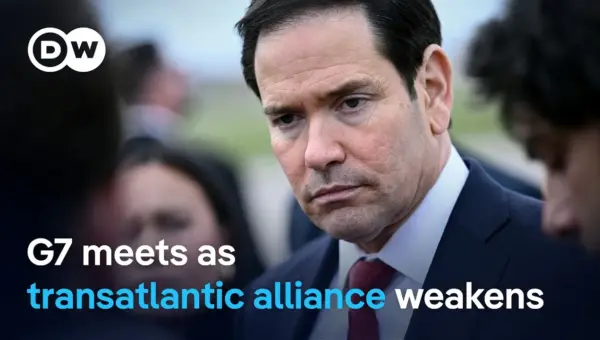
G7 Allies Clash Over Iran War Strategy, Urge Focus on Russia
G7 foreign ministers met in Paris, revealing deep divisions over the U.S. war with Iran. European allies urged the U.S. to pressure Russia, linking its actions to the conflict and fearing support for Ukraine will wane.

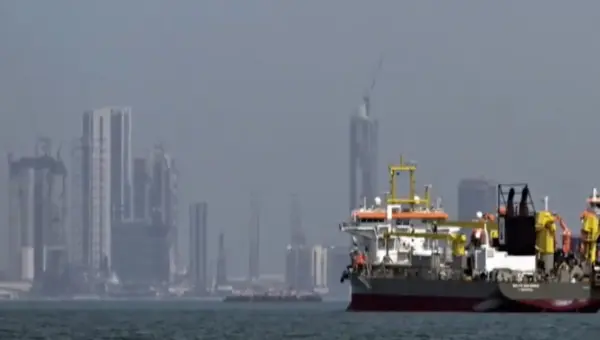
Iran Blocks China Ships, Exposing Beijing’s Weak Grip
Iran's recent decision to block Chinese ships at the Strait of Hormuz is exposing the limits of Beijing's influence in the Middle East. This action is causing delays and cancellations for Chinese manufacturers, turning a perceived geopolitical win into an economic strain.
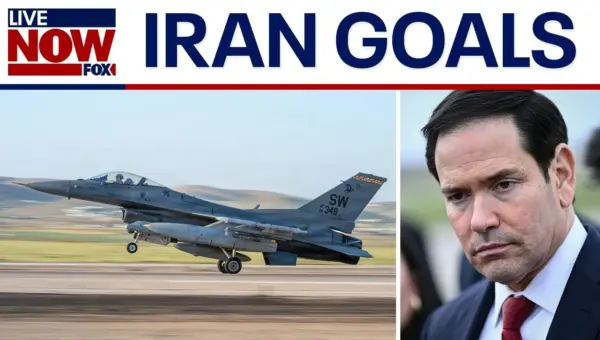
Rubio: US Can Achieve Iran War Goals Without Troops
Senator Marco Rubio outlined a strategy to counter Iran without deploying U.S. ground troops, focusing on weakening the regime and enhancing maritime security. He also criticized Cuba's economic system and expressed concerns about West Bank violence.