Bombing Iran Won’t Topple Regime, Risks Another Iraq
Repeating the mistakes of the Iraq War by bombing Iran could lead to chaos and strategic failure. History shows that bombing entrenches regimes and alienates populations, making change far more difficult. A complex, people-focused approach is needed instead.

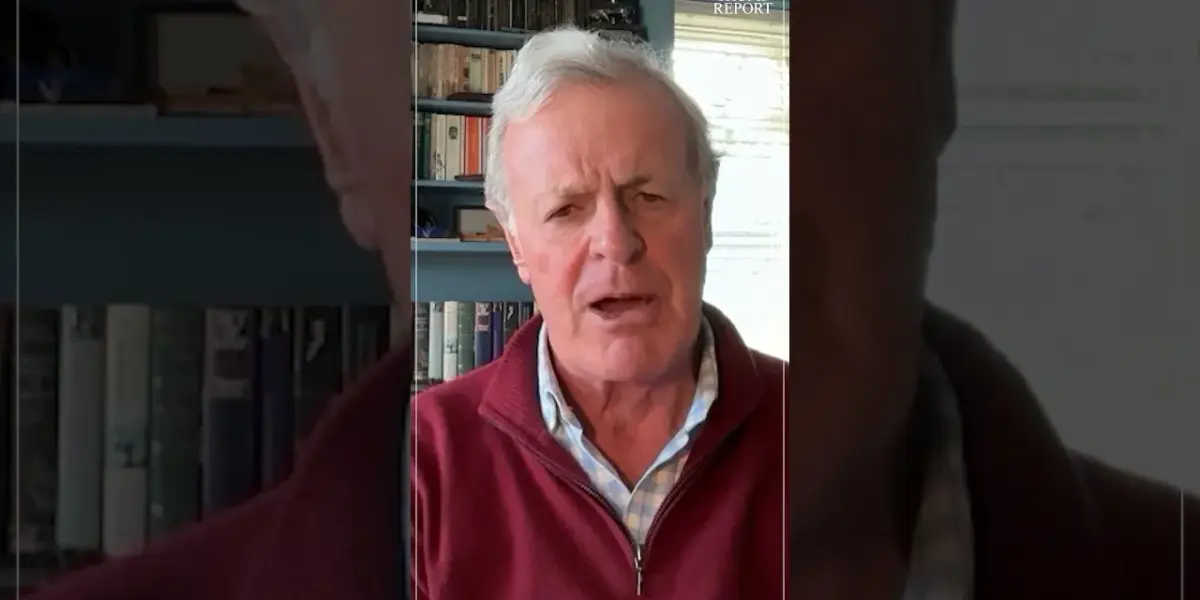
Trump’s Iran Gamble Risks ‘Iraq 2.0’
The idea of using military force, like bombing, to change a country’s government is a tempting one for some leaders. However, history shows this approach often leads to chaos and failure. The transcript highlights a critical question: if the goal is to change a regime, what is the best way to achieve it? It warns that repeating past mistakes, like the invasion of Iraq, could be disastrous.
The Iraq War: A Cautionary Tale
The year 2003 saw a major military action against Iraq. The goal was to remove Saddam Hussein from power. Many remember the dramatic images of his statue being pulled down in Baghdad. This seemed like a success at first. But the aftermath was far from peaceful. The situation in Iraq became extremely chaotic.
Ultimately, the invasion of Iraq is seen by many as a strategic failure. The initial optimism quickly faded. The country struggled with instability and violence for years. This experience serves as a powerful warning about the consequences of military intervention.
Understanding 21st Century Conflict
In today’s world, military actions must be viewed through a different lens. The transcript emphasizes that any action taken must be carefully considered for its impact on the local population. If you alienate the people you are operating among, you are actually helping your enemy. This means winning over the local population is crucial for success.
Think of it like trying to get people to agree with you. If you shout at them or threaten them, they are less likely to listen. But if you talk to them respectfully and try to understand their point of view, they are more likely to be on your side. This is what is meant by winning hearts and minds.
Bombing Doesn’t Change Regimes
The transcript makes a clear point: bombing does not change governments. This is not a new idea. Military history is full of examples where air strikes did not achieve their political goals. In fact, bombing often has the opposite effect.
Instead of weakening a regime, bombing can make it stronger. It can force people to be quiet for fear of being hurt. It can also make people rally behind their leader, even if they didn’t support them before. This is because the bombing is seen as an attack on their country.
A More Complex Approach Is Needed
If a leader truly wants to change a regime, they need to think much harder. The transcript suggests that bombing is too simple a solution. It does not address the underlying issues. To achieve meaningful change, a much more complex strategy is required. This strategy must consider many different factors.
It involves understanding the political, social, and economic conditions within the country. It also means having a clear plan for what happens after the regime is gone. Without this deeper understanding and planning, attempts to force change are likely to fail. They risk creating more problems than they solve.
Why This Matters
The prospect of military action against Iran raises serious concerns. The lessons from Iraq are still fresh. Repeating the mistakes of the past could lead to a similar outcome. This means widespread instability, humanitarian crises, and prolonged conflict.
For leaders considering such actions, it is vital to understand that bombing is not a magic solution. It rarely achieves the desired political change. Instead, it often entrenches the very regimes it aims to remove. It also alienates the local population, making future peace even harder to achieve.
Implications and Future Outlook
The current geopolitical climate requires careful consideration of all options. The transcript strongly suggests that a military approach, particularly bombing, is unlikely to be effective in toppling the Iranian regime. Instead, it could strengthen the regime’s hold on power and increase regional tensions.
Future strategies for dealing with challenging regimes need to move beyond simplistic military solutions. They must incorporate a deeper understanding of local dynamics and prioritize diplomatic and economic tools. Building relationships and fostering internal change through non-violent means are often more sustainable paths to achieving long-term stability.
Source: Trump’s Iran gamble risks ‘Iraq 2.0’ — bombing won’t topple regime (YouTube)

Related Articles

G7 Allies Clash Over Iran War Strategy, Urge Focus on Russia
G7 foreign ministers met in Paris, revealing deep divisions over the U.S. war with Iran. European allies urged the U.S. to pressure Russia, linking its actions to the conflict and fearing support for Ukraine will wane.

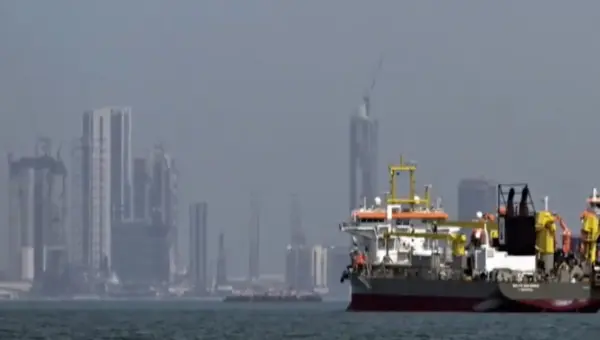
Iran Blocks China Ships, Exposing Beijing’s Weak Grip
Iran's recent decision to block Chinese ships at the Strait of Hormuz is exposing the limits of Beijing's influence in the Middle East. This action is causing delays and cancellations for Chinese manufacturers, turning a perceived geopolitical win into an economic strain.
Rubio: US Can Achieve Iran War Goals Without Troops
Senator Marco Rubio outlined a strategy to counter Iran without deploying U.S. ground troops, focusing on weakening the regime and enhancing maritime security. He also criticized Cuba's economic system and expressed concerns about West Bank violence.