Trump’s Iran War Escalation: A Risky Gamble?
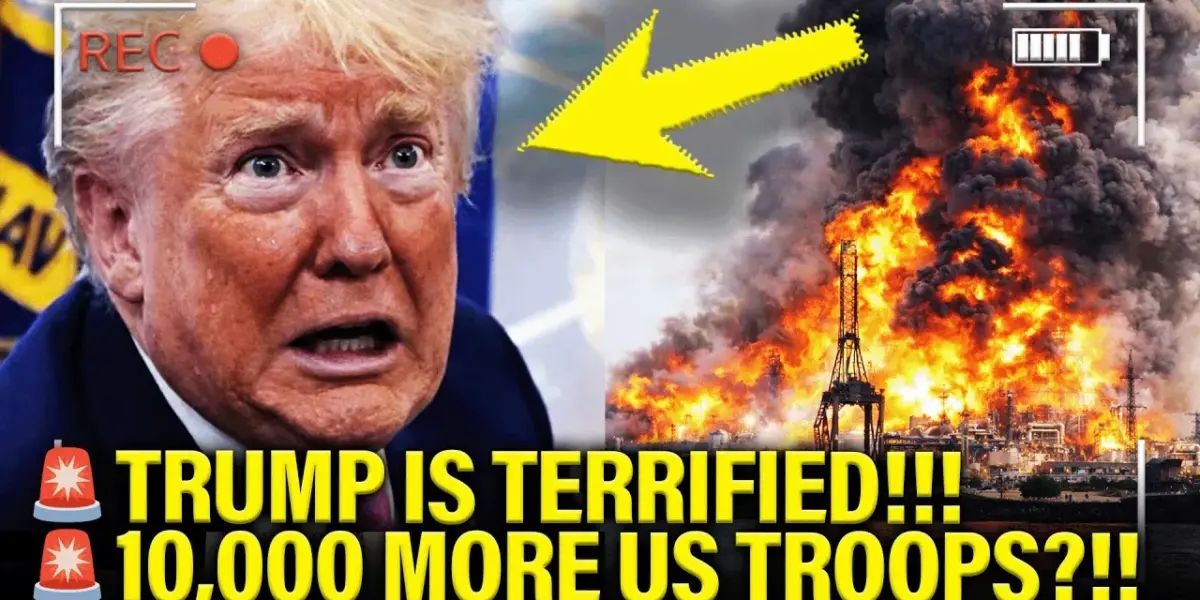
Reports indicate the Trump administration is considering sending an additional 10,000 troops to Iran, a move that follows conflicting claims of diplomatic progress. Iran denies any negotiations, stating its demands for security guarantees and regional control. The potential escalation coincides with market instability and raises concerns about U.S. troop safety and economic consequences.

Trump’s Iran War Escalation: A Risky Gamble?
Recent reports suggest that the Trump administration is considering a significant increase in U.S. military presence in the Middle East, potentially sending an additional 10,000 troops to Iran. This move comes after 5,000 troops were already deployed, adding to the roughly 50,000 already stationed in the region. Elite units, including paratroopers from the 82nd Airborne Division and marine expeditionary units, are reportedly being prepared for deployment. This potential escalation follows claims by President Trump of productive conversations with Iran, which he stated would delay strikes on civilian energy facilities. However, these claims have been met with strong denials from Iran and mediators involved.
Conflicting Accounts Emerge
Iran has openly stated that no such communications or negotiations are taking place. Mediators from Pakistan, attempting to facilitate dialogue, have also confirmed that Iran has not agreed to any deal with the United States. They further clarified that Iran has not requested a 10-day pause on potential attacks on its infrastructure. Iran’s stated demands, as conveyed through these mediators, include full reparations, the removal of U.S. air force bases from Arab nations, the right to maintain its ballistic missile capabilities, and control over the Strait of Hormuz. Additionally, Iran seeks firm security guarantees from the U.S. and Israel, ensuring it will not be attacked and that its proxies will also be free from U.S. and Israeli aggression.
Market Reactions and Economic Impact
Attempts by President Trump to influence markets through public statements have shown diminishing returns. Earlier in the week, claims of a peace agreement with Iran briefly boosted markets, but these were quickly exposed as false. The recent announcement of potential troop increases and continued tensions have led to market instability. Oil prices have surged, and financial markets have reacted negatively, with Bitcoin and gold prices falling. Treasury note yields have risen, pushing mortgage rates above 7%. This economic volatility highlights the market’s sensitivity to geopolitical developments and the potential consequences of an escalated conflict.
Pentagon’s Escalation Plans
According to reports citing Department of Defense officials, the Pentagon is developing plans for a significant military operation. These plans reportedly include options for seizing key Iranian infrastructure, such as the island of Kharg, which handles a large portion of Iran’s crude oil exports. Another option being considered is a bombing raid aimed at destroying all infrastructure on the island. The administration has also examined taking control of other strategically important islands near Iran to limit its ability to threaten shipping in the Strait of Hormuz. These potential actions could lead to substantial casualties for U.S. troops, as Iran has reportedly prepared for such scenarios, claiming to have a million soldiers ready and stating their readiness for a conflict they believe the U.S. has been drawn into for two decades.
Unsettling Incidents on U.S. Soil
Adding to the complex security picture, there have been reports of mysterious drone incursions into U.S. airspace. U.S. military bases, including Barksdale Air Force Base in Louisiana, which houses B-52 nuclear bombers, have experienced unauthorized drone activity. These incidents, occurring in March, involved sophisticated drone swarms, some consisting of 12 to 15 drones, operating for extended periods. The drones reportedly used non-commercial signals, were resistant to jamming, and displayed advanced capabilities beyond those seen in conflicts like Ukraine. The lack of air defenses at Barksdale raises concerns about the vulnerability of critical U.S. military assets. These events, occurring on American soil, have received less public attention than other geopolitical issues, raising questions about national security priorities.
Israel’s Strained Military Capacity
In parallel to the U.S. military posture, the Israeli Defense Forces (IDF) are reportedly facing significant strain. The IDF chief of staff has warned of a potential collapse due to stretched resources and depleted reserves. The need to increase reserves to 450,000 highlights the immense pressure on Israel’s military. This situation, coupled with reports of dwindling munitions for both the U.S. and its allies, paints a picture of strained military readiness across the region. Meanwhile, Iran is reportedly receiving support from Russia and China, potentially including weapons and equipment, further complicating the regional balance of power.
Iran’s Economic Gains and Strategic Position
Ironically, the ongoing conflict appears to have benefited Iran economically. Before the war, Iran’s oil exports were significantly lower and priced much lower. Now, exports have increased, and oil prices have risen substantially. This economic improvement, coupled with the removal of some sanctions, represents a significant gain for Iran. Iran’s stance on negotiations remains firm, with officials ruling out discussions on their missile program as a starting point and asserting their right to nuclear enrichment. Their control over the Strait of Hormuz and their preparedness for conflict indicate a strong strategic position, despite U.S. and Israeli efforts.
Broader Geopolitical Tensions
The situation is further complicated by President Trump’s critical remarks regarding NATO and other international alliances. His comments suggest a dissatisfaction with NATO’s perceived lack of support in the current conflict, framing the Iran war as a test that NATO failed. His criticism of the UK’s aircraft carriers also points to a potential shift in U.S. foreign policy and its commitment to traditional alliances. Furthermore, accusations of aiding Russia, Belarus, and Iran, and potentially supporting political figures in other countries, highlight a complex web of international relations and alleged interference.
Why This Matters
The potential for a significant escalation in the Iran conflict carries profound implications. It risks a costly and bloody ground invasion for U.S. troops, potentially leading to mass casualties. The economic fallout, already evident in market volatility and rising interest rates, could further destabilize the U.S. economy. The involvement of major global powers like Russia and China adds another layer of complexity, potentially widening the conflict. The situation also raises critical questions about the effectiveness of current U.S. foreign policy, the reliability of intelligence, and the long-term consequences of military intervention in a volatile region. The lack of clear communication and the conflicting narratives surrounding diplomatic efforts only add to the uncertainty and danger.
Implications, Trends, and Future Outlook
The current trajectory suggests a heightened risk of direct confrontation. The trend of increasing military deployments, coupled with Iran’s defensive preparations and potential backing from Russia and China, points towards a prolonged and potentially expanding conflict. The economic impact, including fears of further inflation and interest rate hikes, could become a significant domestic concern. The future outlook depends heavily on diplomatic breakthroughs, which currently appear distant. Without a clear path to de-escalation, the region could face further instability, with wider global repercussions. The possibility of miscalculation or unintended escalation remains a significant threat.
Historical Context and Background
U.S. involvement in the Middle East has a long and complex history, often marked by interventions aimed at securing oil interests and regional stability. Tensions with Iran, in particular, have been high since the 1979 revolution. Past U.S. policies have included sanctions, military presence, and support for regional rivals. The current situation can be seen as a continuation of these long-standing dynamics, exacerbated by recent events and shifting geopolitical alliances. The narrative of drawn-out conflicts, fluctuating market responses, and questions about the true objectives of military engagement are recurring themes in U.S. foreign policy history.
Source: Trump PANICS and FALLS INTO FATAL TRAP in WAR!!! (YouTube)

Related Articles

G7 Allies Clash Over Iran War Strategy, Urge Focus on Russia
G7 foreign ministers met in Paris, revealing deep divisions over the U.S. war with Iran. European allies urged the U.S. to pressure Russia, linking its actions to the conflict and fearing support for Ukraine will wane.

Iran Blocks China Ships, Exposing Beijing’s Weak Grip
Iran's recent decision to block Chinese ships at the Strait of Hormuz is exposing the limits of Beijing's influence in the Middle East. This action is causing delays and cancellations for Chinese manufacturers, turning a perceived geopolitical win into an economic strain.
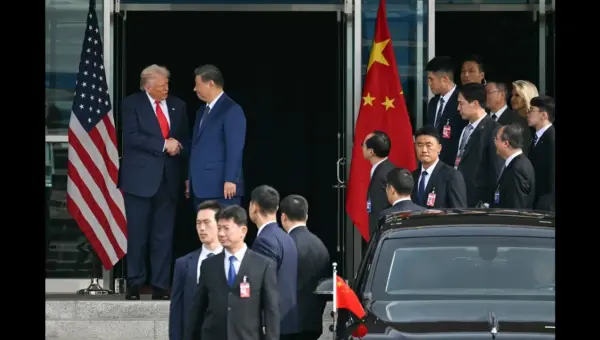
Trump’s “Walk Away” Tactic Signals Tougher Stance on China
Retired Air Force Brigadier General David Stillwell believes President Trump's strategy of being willing to walk away from negotiations puts pressure on China. This tactic, combined with US global actions and strengthened alliances, signals a more assertive American foreign policy.