Iran-US Talks Stall Amid Trust Deficit, Escalation Fears
Direct negotiations between Iran and the US are stalled due to a significant trust deficit, fueled by past military actions and conflicting demands. Peace negotiator Oliver McTernan highlights how perceived betrayals during previous talks hinder progress. The situation remains tense as both sides grapple with escalation fears and the challenge of finding a diplomatic solution.

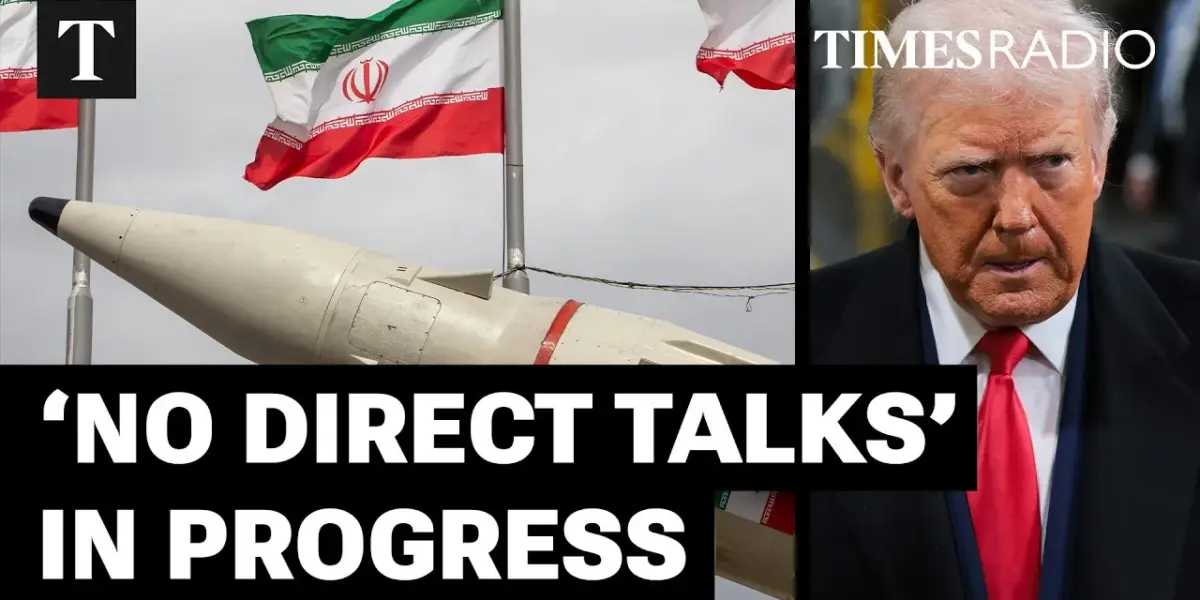
Iran-US Negotiations Face Major Hurdles Amid Trust Issues
Despite claims of progress, direct negotiations between Iran and the United States remain stalled, hampered by a significant deficit of trust. This breakdown comes as tensions in the region escalate, raising fears of further conflict. Experts suggest that a fundamental misunderstanding of Iran’s position and the impact of past actions are preventing a path forward.
Trump’s Conflicting Signals on Negotiations
President Donald Trump has sent mixed messages regarding talks with Iran. At times, he has praised Iranian leaders as “great negotiators” but also claimed they are “begging” for a deal. However, an analysis suggests that the US demands, which Iran views as akin to surrender, are unlikely to be met. These demands reportedly include the removal of all American Gulf bases, Iran imposing tolls on ships in the Strait of Hormuz, and compensation payments.
Past Actions Undermine Trust, Negotiator States
Oliver McTernan, an international peace negotiator and director of the charity Forward Thinking, highlighted the deep mistrust between the two nations. He pointed to instances where Iran believed it was in genuine negotiations, only to face military strikes. “Twice now Iran have seen that they had been in real negotiations,” McTernan stated, referencing events in June and February where, according to Oman’s foreign minister, talks were progressing before US and Israeli strikes occurred. This pattern, he explained, makes it “very difficult to see the way forward as it is being pursued by Donald Trump.”
Iran’s Demands and US Stance
Political analyst Ari Kova, speaking from Jerusalem, elaborated on the demands Iran places on the US for a deal. These demands are seen by the US as extreme, amounting to an “American surrender.” Kova noted that Iran seeks the withdrawal of US forces from Gulf bases, the right to charge a toll for passage through the Strait of Hormuz, and financial compensation. He expressed doubt that the US would agree to any of these terms, indicating a significant gap in expectations.
Escalation or Agreement: A Difficult Choice
The US administration faces a critical decision: further escalation, potentially involving military action like an invasion, or reaching an agreement that might require concessions to Iran. Kova suggested that President Trump’s strategy of applying pressure through sanctions and threats has not yielded the desired results. “If we hit Iran enough, if we punish them enough, if we threaten them enough, eventually they’ll just say yes to my demands,” Kova explained, adding that this approach has not worked.
Misjudging Iran’s Capabilities and Response
There is a suggestion that the relatively subdued Iranian responses to past attacks might have led the US and Israel to underestimate Iran’s capabilities. However, McTernan countered this, stating that Iran’s previous actions, including responses to Israeli strikes, were calibrated. He believes that Iran has more resources than initially assessed and that attempts to dismantle its missile stocks were less successful than planned. “Nothing that has happened in this war should have surprised anybody so far,” McTernan asserted, warning that claims of surprise might stem from misinformation or attempts to save face.
Indirect Communication Channels
While direct negotiations are absent, communication between the US and Iran is occurring through third parties, primarily Pakistan. McTernan described these communications as “ultimatums,” which he believes are not conducive to achieving a sustainable agreement. He noted that his organization, Forward Thinking, has maintained contact with Iranian diplomats, preserving a channel of communication.
Pragmatists within Iran
McTernan expressed optimism that pragmatists still exist within Iran’s leadership, particularly within the foreign ministry. These individuals, he said, recognize the need for reform and were disappointed by the breakdown of the 2015 Joint Comprehensive Plan of Action (JCPOA). The collapse of the JCPOA, he explained, has pushed Iran towards closer ties with Russia and China for economic survival, a situation he views with regret.
The Shadow of the JCPOA
The withdrawal of the US from the JCPOA under President Trump is seen as a significant factor contributing to the current deficit of trust. Although President Biden attempted to revive the deal, Europe’s reduced enthusiasm and the possibility of a future US withdrawal under Trump again have prevented its full restoration. This history fuels skepticism on both sides, making future agreements precarious.
Looking Ahead: The Path to De-escalation
As diplomatic efforts continue through intermediaries like Qatar and Germany, the focus remains on finding an off-ramp to de-escalate the current crisis. The challenge lies in rebuilding trust and bridging the significant gap between US demands and Iranian expectations. The success of future negotiations will likely depend on a shift away from ultimatums towards genuine dialogue and a recognition of mutual interests.
Source: No Direct Iran-US Negotiations Despite Trump's Claims | Peace Negotiator Oliver McTernan (YouTube)

Related Articles
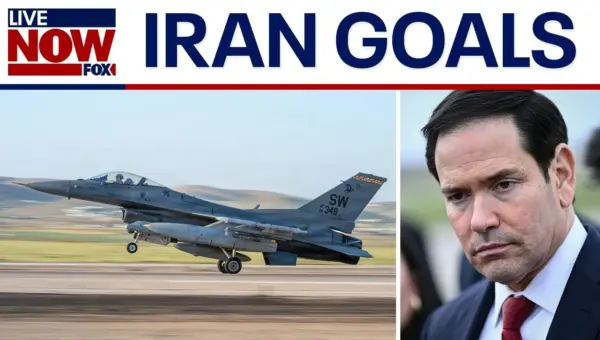
Rubio: US Can Achieve Iran War Goals Without Troops
Senator Marco Rubio outlined a strategy to counter Iran without deploying U.S. ground troops, focusing on weakening the regime and enhancing maritime security. He also criticized Cuba's economic system and expressed concerns about West Bank violence.

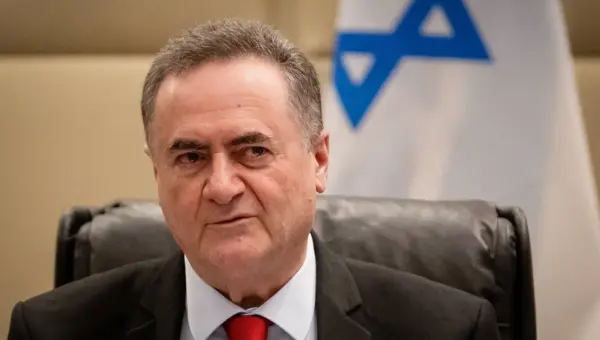
Israel Escalates Iran Strikes, Warns of Wider War
Israel has launched significant strikes inside Iran following continued missile fire, warning of further escalation. The conflict risks wider regional instability and economic disruption, especially concerning the Strait of Hormuz.
US Troops Wounded in Saudi Base Attack by Iran
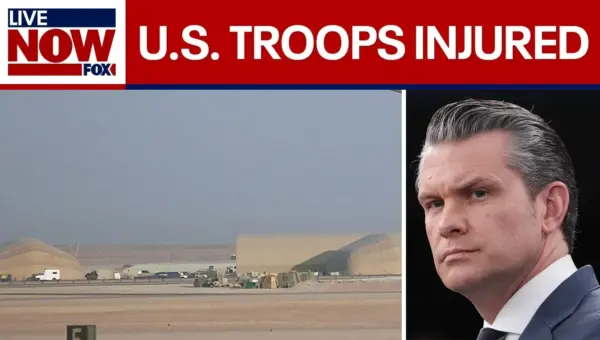
An Iranian missile attack on Prince Sultan Air Base in Saudi Arabia wounded multiple U.S. service members and damaged aircraft. The incident highlights the ongoing risks in the Middle East and the limitations of air defense systems. Analysts discuss the strategic implications, economic pressures, and the isolation of Iran amidst the conflict.