Trump’s Iran Troop Plan: A Recipe for Disaster?
Former Congressman Denver Riggleman warns that sending U.S. troops into Iran would be a disastrous plan, citing risks of casualties, unpreparedness for modern warfare, and damage to America's global reputation. He highlights the confusion over war aims and the erosion of trust with allies, suggesting such a move would be politically unpopular and strategically unsound.

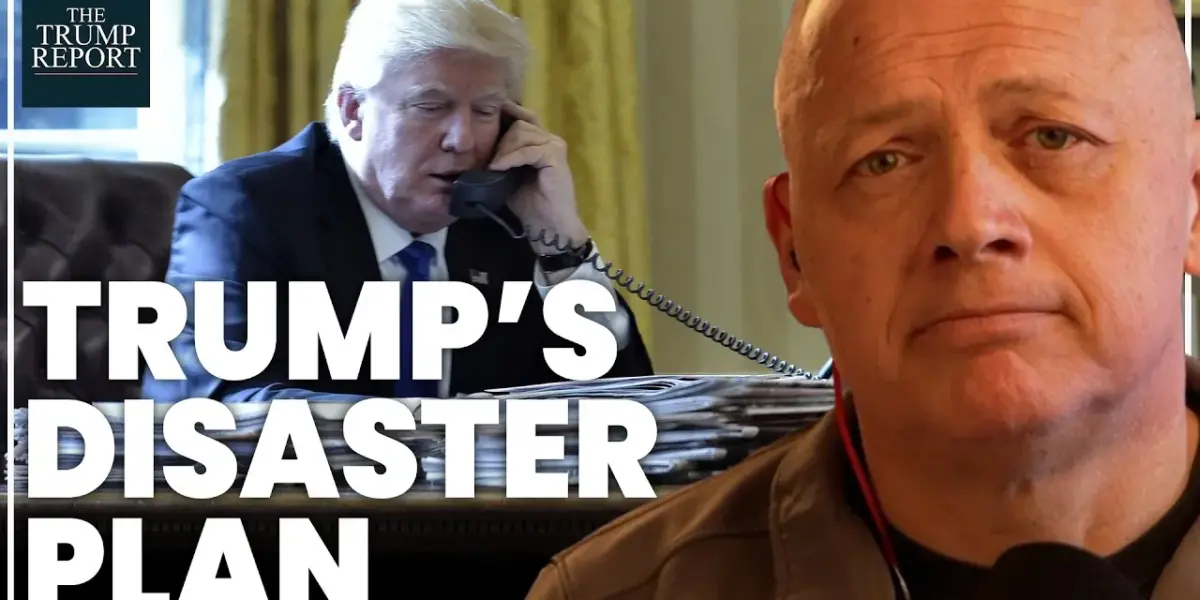
Trump’s Iran Troop Plan: A Recipe for Disaster?
Imagine a plan to send troops into a place like Iran. Former Congressman Denver Riggleman recently shared his serious concerns about such an idea, calling it a “concerning proposition.” He highlighted several major problems that suggest this would be a terrible mistake, not just for the military but for America’s standing in the world.
The Dangers of Direct Confrontation
One of the biggest issues Riggleman pointed out is the difficulty of fighting in places like islands in the Strait of Hormuz. He explained it’s hard to get troops in and out safely. More importantly, he believes the U.S. is not ready for the kind of modern warfare Iran might use. This includes things like drone attacks and naval mines. Stopping fast boats that plant mines or dealing with drone threats is incredibly difficult. These are examples of what’s called “asymmetric warfare” – where an opponent uses unconventional tactics to fight a stronger enemy.
People might not realize that islands considered for military action are often not empty. Riggleman mentioned one island with about 20,000 people living there. This means any military operation wouldn’t just be about fighting soldiers; it would involve civilians. He also questioned if proper planning has been done for such missions. He felt that past planning sometimes underestimated Iran’s drone and asymmetric warfare capabilities. This lack of preparedness could lead to serious problems.
Public Opinion and Political Fallout
Beyond the battlefield, Riggleman suggested that sending troops into Iran would be unpopular with the American public. He described the MAGA movement as nationalistic and inward-looking. According to him, this plan goes against promises made to supporters that the U.S. would avoid starting new wars. He predicted this could hurt politicians, especially in Republican areas where voters might feel betrayed by such actions. This could lead to what he called “disastrous” results for American attitudes towards the conflict.
Risks to American Troops
The risk of air or missile attacks on troops trying to take and hold islands in the Strait of Hormuz is extremely high. Riggleman, who has experience with mission planning, stated that casualties are almost always expected in large military operations. Even without enemy action, accidents and friendly fire can happen. When you add the complexity of a populated island and the strategic importance of the area to Iran, the situation becomes even more dangerous. He predicted that the U.S. would “most likely sadly suffer casualties.” He stressed the need for professional planners who understand these threats to ensure troops are as safe as possible.
Damaged Alliances and Trust
Riggleman also shared observations from a recent trip to Europe. He found that America’s reputation globally is at a low point. He believes that the current administration has damaged trust with allies for decades. European leaders and citizens seemed unsure if they could rely on the U.S. He noted a division, where people abroad might ask if an American is “pro-Trump or non-Trump.” This division impacts how Americans are treated, even in simple interactions like visiting a cafe. He worries that U.S. diplomats and representatives will face a cold reception from NATO and EU allies, relationships that have been strong for generations.
It’s almost as if they’re like, “Hey, are you a proTrump or non-Trump American?” And that is really what I’m saying. And and if you’re a proTrump American, I think traveling abroad right now, I don’t think you’re going to get the best service at the local cafe.
He expressed deep disappointment, as a veteran who served alongside allies, to see how the current administration treats them. This breakdown in trust could take decades to repair, if it can be repaired at all.
Confusing War Aims and Objectives
The goals of any potential conflict with Iran also seem unclear. Riggleman pointed out the confusing and changing messages coming from the Pentagon and the administration. Objectives have included stopping Iran’s nuclear program, regime change, destroying Iran’s defense industry, and ending state-sponsored terrorism. He noted that the killing of General Soleimani, while achieving a form of “regime change” at the top, was quickly replaced by another leader. This raises the question of what “winning” actually looks like when the goals are so varied and sometimes contradictory. He questioned if achieving all these objectives is even possible or if the reasons for war are being presented clearly.
The idea of “regime change” itself can be problematic. While a change in leadership might occur, the new regime could be just as bad, or even worse, than the old one. This raises doubts about whether such an objective truly serves U.S. interests or the interests of its allies. The lack of clear, consistent reasoning behind military actions can lead to public confusion and distrust.
Discrepancy Between Words and Actions
Adding to the confusion, President Trump has spoken about being in talks with Iran and offering concessions. However, recent reports, like an attempted strike on a U.S. aircraft carrier, suggest Iran is not negotiating. Riggleman finds these statements about talks to be “ridiculous” when actions on the ground, like rocket and drone attacks in places like Tel Aviv, show a different reality. He noted that even Israel’s air defense systems struggled with recent attacks. This gap between what the administration says and what is actually happening is not new, according to Riggleman, who cited “a lot of issues with truthfulness with this administration.”
Why This Matters
The potential deployment of U.S. troops in Iran, as discussed by Denver Riggleman, is more than just a military decision. It touches upon critical issues of foreign policy, public trust, and international relations. The analysis highlights the significant risks involved, from battlefield casualties to the erosion of diplomatic ties. The lack of clear objectives and the inconsistencies in messaging raise serious questions about the wisdom and effectiveness of such a strategy. For Americans, it means understanding the potential human and financial costs of military engagement. For the U.S. global role, it speaks to the long-term consequences of damaged alliances and a tarnished reputation.
Implications and Future Outlook
The discussion suggests a future where U.S. foreign policy faces challenges in rebuilding trust with allies. If military actions are undertaken without clear goals or public support, the negative consequences could be long-lasting. The rise of asymmetric warfare and drone technology means that future conflicts may be even more unpredictable and dangerous. The political fallout within the U.S. could also be significant, affecting election outcomes and national unity. The need for transparency and honest communication about the reasons for engaging in conflict has never been greater.
Historical Context
The situation echoes historical debates about American interventionism and the costs of war. Throughout history, decisions to send troops into foreign lands have had profound and often unintended consequences. The challenges of navigating complex geopolitical situations, understanding local populations, and maintaining international coalitions are recurring themes. The current discussion reflects these ongoing struggles, emphasizing the importance of careful planning, clear communication, and strong diplomatic relationships.
Source: Why Trump's plan to deploy troops in Iran would be a disaster | Denver Riggleman (YouTube)

Related Articles

G7 Allies Clash Over Iran War Strategy, Urge Focus on Russia
G7 foreign ministers met in Paris, revealing deep divisions over the U.S. war with Iran. European allies urged the U.S. to pressure Russia, linking its actions to the conflict and fearing support for Ukraine will wane.

Iran Blocks China Ships, Exposing Beijing’s Weak Grip
Iran's recent decision to block Chinese ships at the Strait of Hormuz is exposing the limits of Beijing's influence in the Middle East. This action is causing delays and cancellations for Chinese manufacturers, turning a perceived geopolitical win into an economic strain.
Trump’s “Walk Away” Tactic Signals Tougher Stance on China
Retired Air Force Brigadier General David Stillwell believes President Trump's strategy of being willing to walk away from negotiations puts pressure on China. This tactic, combined with US global actions and strengthened alliances, signals a more assertive American foreign policy.