US Tourism Dips: Why Are Germans Turning Away?
German travelers are increasingly avoiding the U.S., citing concerns over political instability, safety, and gun violence. This has led to significant cuts in flights and a drop in demand, impacting the tourism industry. While America's natural beauty is still appreciated, current perceptions of unrest make it an unappealing destination for many.

US Tourism Dips: Why Are Germans Turning Away?
Travel companies are cutting flights to the U.S. by more than half, and you can find cheap tickets at the last minute. This signals a big drop in demand, showing that fewer people want to visit America. It’s a sign that something is definitely changing.
Germans Express Concerns About Visiting the U.S.
Many Germans are choosing not to travel to the United States, and they have several reasons why. Some are put off by the political situation, with one person mentioning the U.S. as a “democracy” in quotes, suggesting doubt about its stability or democratic values. This sentiment is linked to concerns about political division and the role of figures like Donald Trump.
“Why would anyone want to travel to a democracy that has armed troops on the streets of its capital? Masked men running about snatching people. Cancel late night comedy show.”
– German Traveler Comment
These comments highlight worries about safety and civil unrest. The idea of armed troops and unclear situations makes the U.S. seem less appealing as a travel destination. The mention of late-night comedy shows being canceled also points to a feeling of instability and a loss of normal, everyday freedoms.
Safety and Political Instability Concerns
Beyond politics, fears about gun violence and a general sense of instability are major deterrents. One commenter expressed fear of being caught in a situation that could lead to martial law, calling the U.S. a country one false flag away from such a declaration. This reflects a perception that the U.S. could quickly descend into a more authoritarian state.
Another traveler worries about the sheer amount of deadly weapons available to people who might not be properly trained or educated. The thought of large trucks on the road, capable of easily overpowering smaller cars, also adds to a feeling of unease. This suggests a concern for personal safety in everyday situations, not just in major political events.
The “MAGA” Effect and Political Principles
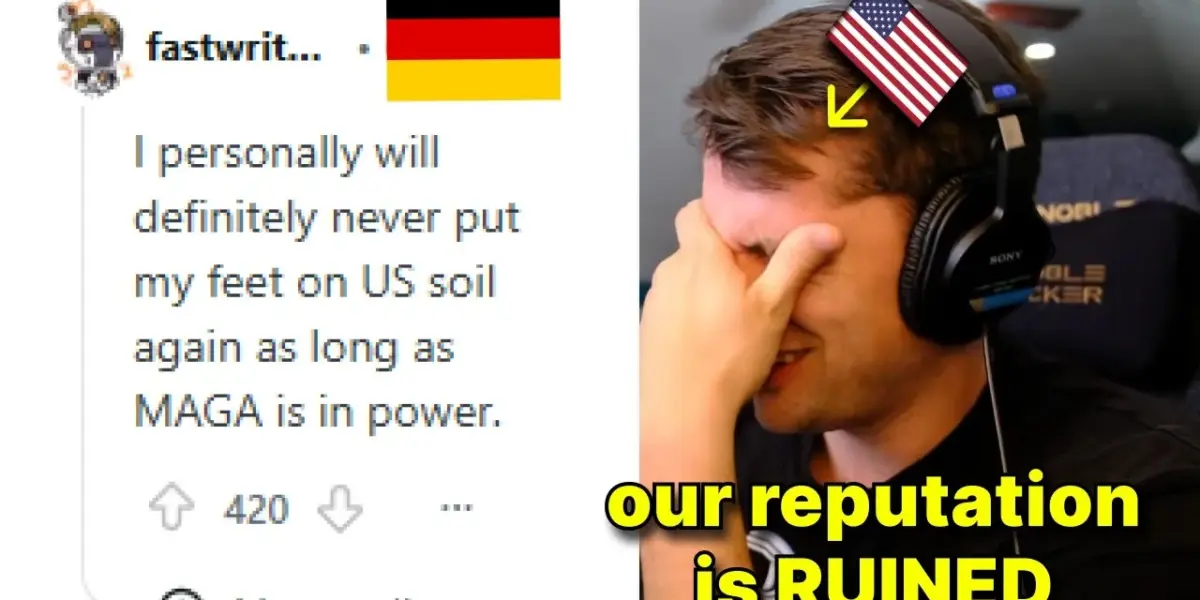
For some, the decision not to visit the U.S. is tied directly to the political climate, particularly the influence of the “MAGA” movement. One person stated they would never set foot on U.S. soil again as long as MAGA is in power, citing a matter of principle. This indicates a strong disapproval of the political direction and a refusal to support a country whose administration they feel is hostile.
This perspective suggests that political beliefs can directly impact travel choices. It’s not just about personal enjoyment but also about aligning one’s actions with their values. If a country’s leadership is seen as problematic, people may choose to boycott it as a form of protest.
A Complex Political Landscape
The discussion also touches on the nature of political movements. While some see Donald Trump as a symptom of deeper issues within American society, others argue he is a unique force who fundamentally changed the Republican party. This debate highlights how different people interpret the causes and nature of political trends.
There’s also a critique of how political parties communicate their messages. Some believe that focusing too much on social issues, like pronouns or men in women’s sports, alienates average voters who are more concerned with practical matters like healthcare or housing affordability. This suggests that political messaging plays a crucial role in public perception and can affect how citizens and potential tourists view a country.
Appreciation for Natural Beauty Amidst Concerns
Despite the significant concerns, there’s still an acknowledgment of the U.S.’s positive attributes. One commenter mentioned wanting to visit for the incredible national parks, appreciating their beauty. This shows that while political and safety issues are major turn-offs, the appeal of America’s natural wonders remains.
However, even the appreciation for national parks is overshadowed by the perceived instability. The country is seen as too unstable and “nuts” to visit right now. This sentiment encapsulates the conflict between recognizing America’s attractions and feeling that the current environment makes visiting unwise.
Why This Matters
The decline in German tourism reflects broader international perceptions of the United States. It suggests that political polarization, safety concerns, and social issues are not just domestic problems but also affect how the U.S. is viewed on the global stage. This can have economic consequences, impacting the tourism industry and related businesses.
Furthermore, it highlights the power of political rhetoric and events to shape international relations and perceptions. When a country’s image is tarnished by internal strife or controversial policies, it can deter visitors and investors alike. Understanding these perceptions is crucial for anyone looking to gauge America’s standing in the world.
Implications and Future Outlook
The trend of declining tourism could continue if underlying issues are not addressed. If Germany and other countries see the U.S. as increasingly unstable or unsafe, travel numbers will likely remain low. This could prompt a re-evaluation of how the U.S. presents itself internationally and what steps need to be taken to improve its image.
The future outlook depends heavily on political developments within the U.S. and how these are perceived by the rest of the world. A shift towards greater stability, a reduction in political division, and improved safety could help rebuild trust and encourage international travel. Conversely, continued turmoil could further alienate potential visitors.
Source: American reacts to "Why has German Tourism to the USA PLUMMETED?" (YouTube)

Related Articles

Rubio Puts US First at G7 Summit, Sparks Debate
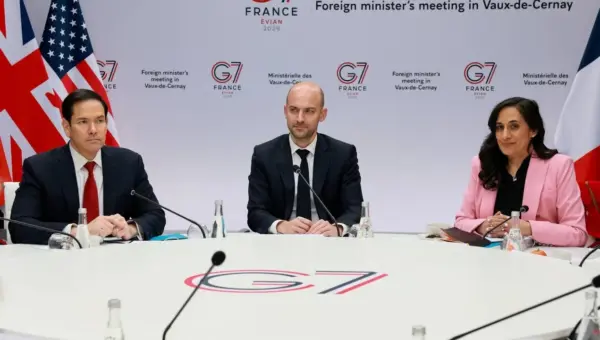
Secretary of State Marco Rubio attended the G7 summit in France, emphasizing his commitment to serving the American people above all else. The meeting addressed the war in Iran and Russia's role, revealing differing approaches among allies on regional security and the Strait of Hormuz.

Trump’s War Talk Stuns Financial Crowd
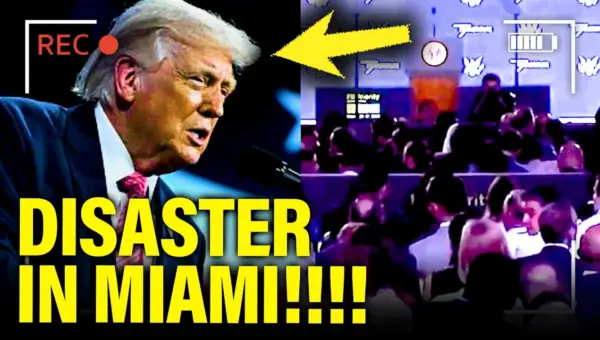
Donald Trump's recent speech in Miami focused on his foreign policy, particularly his critical views on NATO and his vision for international relations. He declared the U.S. would no longer defend NATO allies, questioned the value of existing alliances, and suggested renaming the Strait of Hormuz. The speech also touched on his personal views of success, his allies, and his perceived role as a global peacemaker.

US Christian Nationalism Fuels Global Conflict Fears
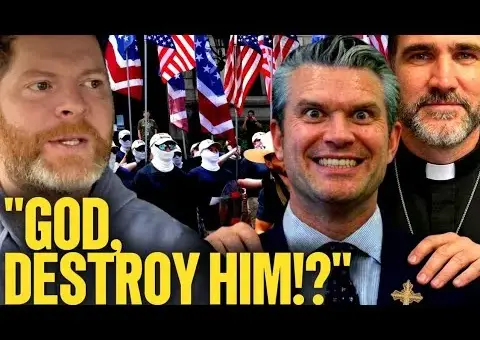
A potent strain of Christian nationalism in the US is raising alarms globally, promoting a 'warlike brand' of faith that views empathy as weakness. This ideology, amplified during times of economic hardship, risks justifying aggressive actions and undermining international humanitarian norms. Its influence on policy could reshape global dynamics.