China Plays Long Game as Trump Trade War Boosts Exports
China's trade surplus hit $1.2 trillion despite a 20% drop in exports to the U.S. during the trade war. Beijing is leveraging its dominance in rare earth minerals and diversifying trade partners, while facing domestic economic challenges like overcapacity and deflation.

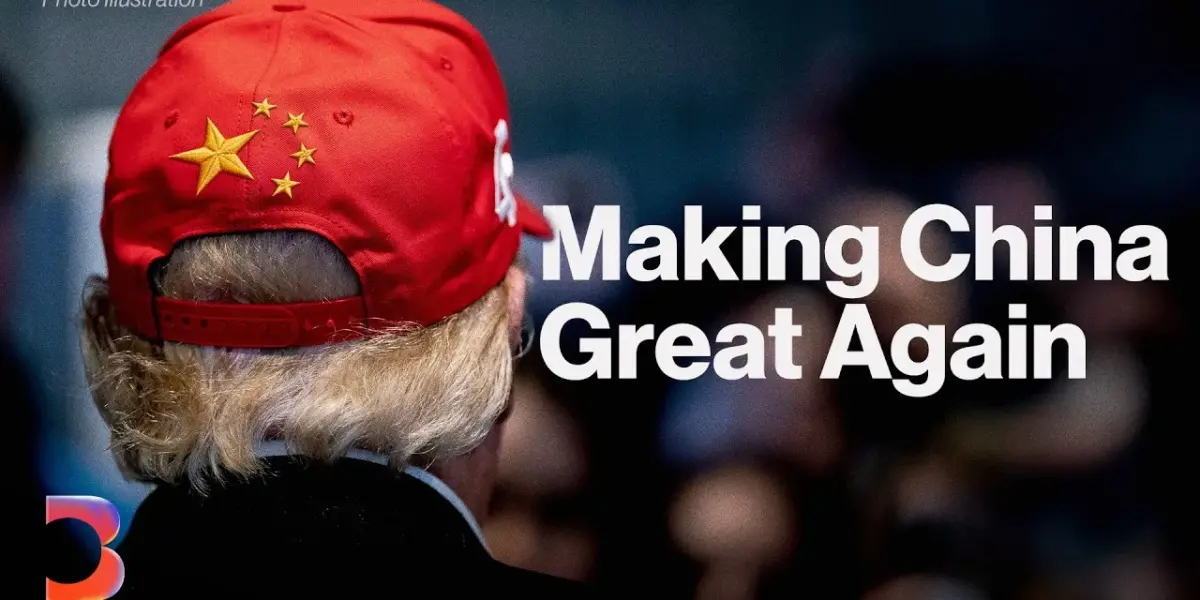
China’s Strategic Pivot Amidst Global Shifts
Global affairs are undergoing significant changes, a sentiment echoed by Chinese President Xi Jinping. While these shifts have arrived, they have been notably propelled by the actions of former U.S. President Donald Trump. Amidst international tensions, China is strategically positioning itself as a stabilizing force, contrasting with what it views as U.S. instability. This dynamic offers Beijing an opportunity to present itself as a more responsible global leader.
Trade War’s Unexpected Boost for Beijing
The initial trade war initiated by the Trump administration prompted China to reassess its reliance on the U.S. market. In the previous year, China’s exports to the U.S. saw a decrease of approximately 20%. However, this period also saw China achieve a record trade surplus, reaching an impressive $1.2 trillion. This outcome suggests that China has been actively working to diversify its customer base away from the United States, a strategy that appears to be yielding significant results.
Diversifying Trade Partners
While U.S. exports faced a downturn, China’s trade with other regions saw substantial growth. Exports to India surged by 12.8%, while shipments to Southeast Asian countries increased by 13.5%. The European Union also saw a rise of 8.4% in imports from China. These figures highlight China’s success in broadening its economic relationships beyond traditional partners.
Rare Earths: China’s Strategic Trump Card
Beyond traditional trade, China wields significant influence through its dominance in critical resources. The nation controls over 60% of the world’s rare earth mining and more than 90% of the refining process. China has implemented export controls on seven types of rare earth minerals and magnets made from them. These materials are essential components in a wide range of high-tech products, including smartphones, electric vehicles, and advanced military equipment like fighter jets and missiles. These controls directly impact U.S. manufacturing and extend to global producers, creating substantial leverage for Beijing.
Dominance in a Niche Market
The global market for rare earths, valued at less than $10 billion, has seen other nations largely withdraw from production and refining due to high costs and China’s competitive advantages, such as lower labor costs and less stringent environmental regulations. This strategic control over a critical supply chain provides China with a powerful tool in international economic relations.
China’s Domestic Economic Challenges
Despite its successes on the global trade stage, China faces significant domestic economic headwinds. The nation has set a GDP growth target of 4.5% to 5% for the current year, the lowest since 1991. This slowdown is partly due to overcapacity in various sectors, fueled by excessive borrowing and investment. Issues such as empty real estate developments and overproduction in industries like steel have contributed to a deflationary problem within the Chinese economy.
Exports as the Economic Engine
For years, China’s economic growth has been driven by exports and investment. However, fixed-asset investment declined for the first time on record last year, placing even greater importance on export performance to sustain the economy. This reliance on exports means that global economic conditions and trade relations significantly impact the livelihoods of Chinese workers, with some facing pay cuts, job losses, or resorting to the less secure gig economy.
Exporting Deflation and Global Implications
The situation in China has led to concerns about the nation exporting its deflationary pressures. Unsold goods or excess production are being channeled into markets in Southeast Asia, Latin America, and Europe. While this can benefit some importing countries, it also complicates diplomatic relations as China seeks to build new partnerships, often as a hedge against perceived U.S. unreliability.
Geopolitical Balancing Act
China’s foreign policy emphasizes economic influence rather than direct military intervention in distant conflicts. While China serves as a vital economic lifeline for countries like Venezuela and Iran, its direct stake in these nations is relatively small. For instance, Venezuela accounts for only about 4% of China’s oil imports, and Iran around 13-14%. However, instability in crucial shipping lanes like the Strait of Hormuz, which handles a significant portion of global oil and gas flows, could pose a threat to China’s energy security and contribute to global inflation and recession risks.
The Long Game: Hedging Strategies
In the complex geopolitical landscape, nations are increasingly looking to hedge their bets. As two major powers engage in a strategic contest, countries often find themselves pressured to choose sides. However, the prevailing sentiment suggests a desire to avoid such commitments. Analysts predict that hedging strategies will become a key theme for global economies in the coming years, particularly as the relationship between China and the United States continues to evolve. While China’s economic power is substantial, it is not yet considered an equal to the United States in terms of overall global influence and military strength.
Market Impact
The ongoing trade tensions and resource control strategies have created volatility and shifted global supply chains. Investors and businesses are closely watching how these dynamics play out, as they influence manufacturing costs, market access, and the overall stability of the global economy. China’s strategic moves, particularly its control over rare earth elements, present both opportunities and risks for industries worldwide. The diversification of China’s export markets away from the U.S. indicates a fundamental restructuring of global trade relationships.
What Investors Should Know
For investors, the current environment calls for a nuanced approach. Understanding China’s domestic economic challenges, such as overcapacity and deflation, is crucial. Simultaneously, recognizing its strategic advantages, like dominance in rare earth minerals and its expanding trade network, is equally important. The trend towards hedging suggests that companies and countries will seek to reduce single-point dependencies, potentially creating new investment opportunities in diversified supply chains and alternative resource development. The long-term implications point towards a more multipolar economic world, where strategic resource control and diverse trade partnerships will be key determinants of economic success.
Source: How China Plays the Long Game Against Trump (YouTube)

Related Articles

Iran Blocks China Ships, Exposing Beijing’s Weak Grip
Iran's recent decision to block Chinese ships at the Strait of Hormuz is exposing the limits of Beijing's influence in the Middle East. This action is causing delays and cancellations for Chinese manufacturers, turning a perceived geopolitical win into an economic strain.


China Fights Back: Tariffs Loom Ahead of Trump Visit
China is retaliating against US trade investigations that could lead to higher tariffs. This escalating trade tension occurs just before a planned visit by President Trump. The dispute involves accusations of unfair practices and impacts global supply chains.

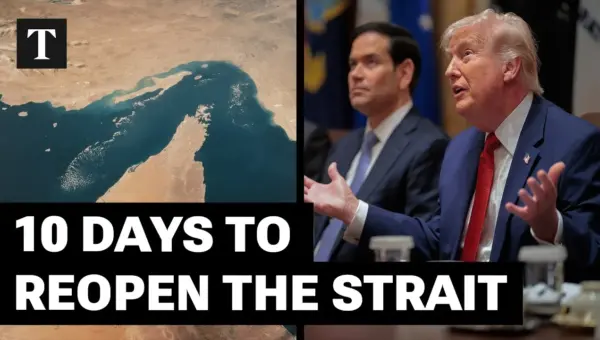
Strait of Hormuz Tensions: Nations Navigate ‘Every Man For Themselves’
Nations are navigating a precarious "every man for themselves" situation in the Strait of Hormuz amidst rising tensions. Iran is strategically leveraging its position, while diplomatic efforts and asymmetric threats create an unpredictable environment. The impact of GPS jamming and the low volume of transit highlight the ongoing challenges.