Ukraine Gains Ground as Russia Faces Internal Strife
Ukraine has reclaimed significant territory and is striking targets within Russia, signaling battlefield gains. Meanwhile, Russia faces internal challenges including corruption and internet restrictions, suggesting regime weakness. International support for Ukraine remains strong, particularly from European nations.

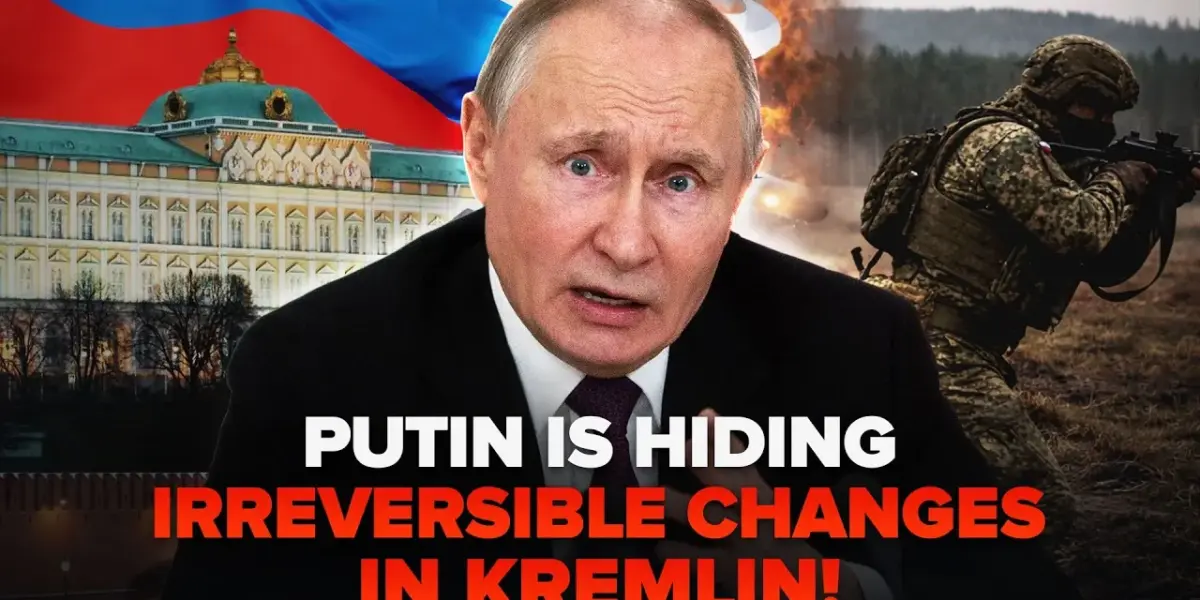
Ukraine Gains Ground as Russia Faces Internal Strife
Ukraine has made significant territorial gains on the battlefield, reclaiming approximately 400 square kilometers of land, particularly in the Dnipro area. This advance marks a critical shift, with Ukrainian forces now actively engaging targets within Russia itself, including strikes on Moscow. Meanwhile, internal issues within Russia, such as widespread corruption and unusual internet restrictions, suggest growing instability within Moscow’s leadership.
Ukraine’s Battlefield Successes
Ukrainian forces have successfully pushed back Russian troops, liberating a substantial amount of territory. The recapture of land, especially around the Dnipro region, is strategically important. It improves Ukraine’s defensive posture and opens new avenues for operations. The ability of Ukraine to conduct strikes deep inside Russian territory, including hitting Moscow, demonstrates a growing capacity to project power and disrupt Russian logistics and morale.
Internal Russian Challenges
Simultaneously, Russia appears to be grappling with significant internal challenges. Unusual nationwide internet restrictions have been implemented, with state television even promoting the idea of a life without the internet. This move is seen by some analysts as a sign of weakness, reminiscent of Soviet-era controls. Furthermore, reports indicate that several high-ranking Russian military officials, including former deputies of Defense Minister Sergey Shoigu, are facing prosecution for corruption. One official has already received a lengthy prison sentence. This widespread corruption at the highest levels of the Russian military is believed to be hindering its ability to effectively wage war.
The Role of External Support
The ongoing conflict is also influenced by international dynamics. While the United States under the Biden administration has supported Ukraine, former President Donald Trump has expressed support for Russian President Vladimir Putin and has eased some sanctions on Russian oil. This action, according to experts, has removed financial pressure on Russia, allowing it to better fund its war effort. However, Trump’s focus appears to be on a potential Ukrainian capitulation rather than a negotiated peace. This contrasts sharply with the unified stance of many European nations, particularly the Nordic and Baltic states, who are stepping up financial aid to Ukraine when the European Union faces challenges in meeting its commitments.
Economic Strain and Future Outlook
Economically, Russia faces stagnation and decline, with high inflation and a falling standard of living. The reliance of modern Russians on the internet, now being restricted, further highlights potential public discontent. Despite these challenges, Russia is reportedly preparing for a major new offensive along the 1,200-kilometer front line, aiming to capture remaining Ukrainian-controlled areas in the Donetsk region. This offensive is preceded by intensified shelling and drone strikes, intended to weaken Ukrainian defenses. However, the long-term sustainability of such an offensive is questioned due to Russia’s significant troop losses, estimated to be between 200,000 and 300,000 killed soldiers, a stark contrast to the Soviet Union’s losses in Afghanistan over a decade.
Geopolitical Ripples
The conflict’s broader geopolitical implications are significant. The situation in the Middle East, with Iran celebrating perceived victories against the U.S. and demanding reparations, adds another layer of complexity. Trump’s handling of this situation is seen as a failure, potentially overshadowing his political future. In Europe, while figures like Hungary’s Viktor Orbán and Slovakia’s Robert Fico maintain pro-Russian stances, other countries like the Czech Republic are showing signs of shifting allegiances. The strong financial backing from Nordic and Baltic nations for Ukraine underscores a commitment to regional security, suggesting that Ukraine’s importance is increasingly recognized by European countries for their own defense.
Strategic Implications
The battlefield gains by Ukraine, coupled with Russia’s internal strife and economic difficulties, suggest a potential turning point in the conflict. Ukraine’s ability to strike within Russia boosts morale and demonstrates resilience. The internal corruption within Russia’s military leadership raises questions about its operational effectiveness and long-term capacity. While Russia may be preparing for a new offensive, its ability to sustain such operations is questionable given its heavy human and economic costs. The international community’s response, particularly the strong support from several European nations, indicates a continued commitment to Ukraine’s sovereignty and security, highlighting a growing recognition of Ukraine’s role in European stability.
Source: 😱Putin’s regime is weakening! Russian generals are disappearing under mysterious circumstances (YouTube)

Related Articles
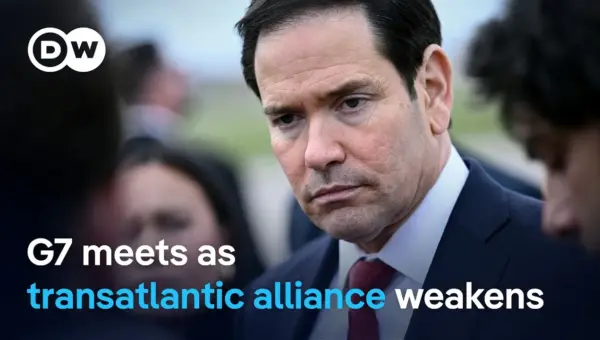
G7 Allies Clash Over Iran War Strategy, Urge Focus on Russia
G7 foreign ministers met in Paris, revealing deep divisions over the U.S. war with Iran. European allies urged the U.S. to pressure Russia, linking its actions to the conflict and fearing support for Ukraine will wane.

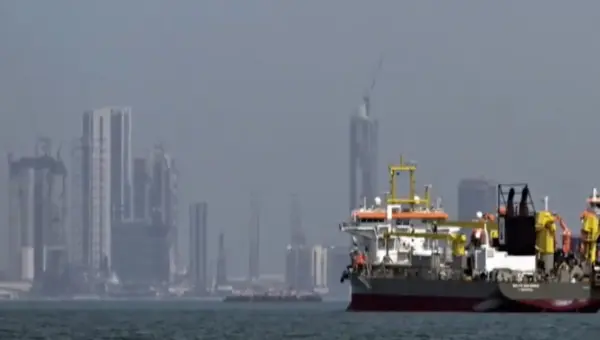
Iran Blocks China Ships, Exposing Beijing’s Weak Grip
Iran's recent decision to block Chinese ships at the Strait of Hormuz is exposing the limits of Beijing's influence in the Middle East. This action is causing delays and cancellations for Chinese manufacturers, turning a perceived geopolitical win into an economic strain.
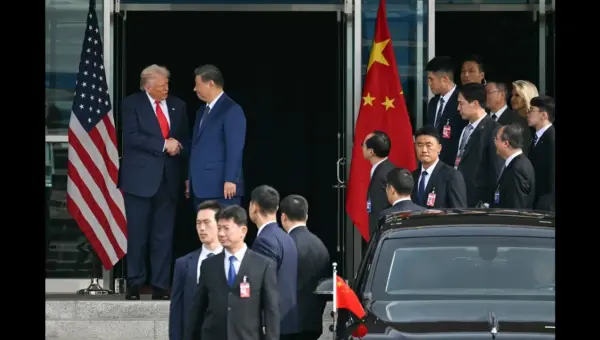
Trump’s “Walk Away” Tactic Signals Tougher Stance on China
Retired Air Force Brigadier General David Stillwell believes President Trump's strategy of being willing to walk away from negotiations puts pressure on China. This tactic, combined with US global actions and strengthened alliances, signals a more assertive American foreign policy.