Asian Parents’ Love Language: Acts of Service Over ‘I Love You’
Many Asian parents express love through acts of service rather than verbal declarations or physical affection. This conversation explores the impact of this communication style and the growing desire for more open affirmation, especially among younger generations.

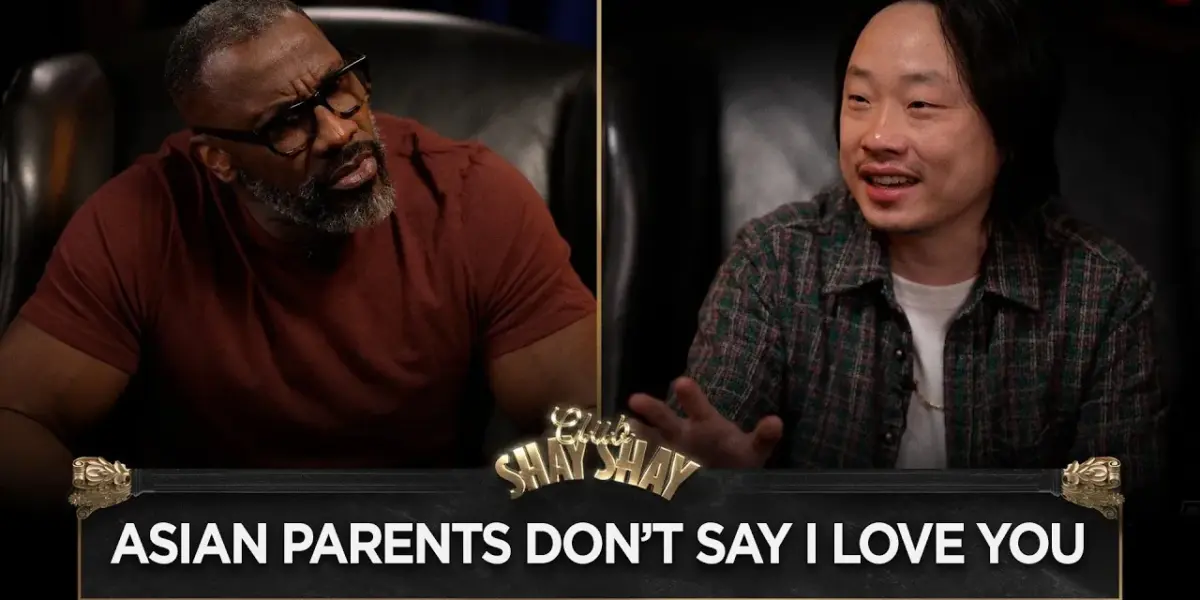
The Silent Language of Love: How Asian Parents Show Affection Through Actions, Not Words
For many, the phrase “I love you” is a cornerstone of family connection, often accompanied by hugs and open affection. But for many growing up in Asian households, this verbal and physical expression of love is rare, if not nonexistent. Instead, love is often communicated through a different language: acts of service.
“We never say I love you. They never There’s no physical touch necessarily. I never seen my parents kiss each other,” shared one speaker on Club Shay Shay, highlighting a common experience in many Asian families. This doesn’t mean love isn’t present. It’s just expressed differently. “I just don’t think that’s how they express, right? But they’re always there for each other,” the speaker continued. This often translates to parents being present during difficult times, cooking meals every night, and generally supporting each other. This is what is often referred to as an “act of service” love language.
The Struggle to Say ‘I Love You’
This difference in expressing affection can create challenges, especially in dating. “I find that difficult too, you know, uh in my dating life when people the I love you part is very hard for me to say,” admitted one guest. “Not that I don’t love anyone, it’s just I have trouble saying that.” Instead of verbalizing feelings, they would rather demonstrate love through actions like cooking a meal, giving a ride, or helping with a task.
The sentiment was echoed by others. “I don’t think I’ve ever seen my grandparents kiss,” one person noted. For them, the definition of love was clear: “The love is that you got food on your table. You got clothes on your back. You got a roof over your head. That’s I love you. That’s it. Yeah. That that’s love.” This is a profound way of showing care and commitment, even without direct affirmations.
Generational Shifts and the Need for Encouragement
While this act-of-service approach is deeply ingrained, there’s a growing recognition that it could be complemented with more direct expressions of love and encouragement. “It’s like old school also. It’s a generational thing,” one speaker observed. They pointed out that “it doesn’t hurt to say I love you or give your kids some credit.”
One poignant example shared was the struggle for validation. “I remember when I first uh got on TV, you know, like just two lines here and there. My dad never said good job, anything, you know, and I was just waiting for that.” It took a voicemail from a friend’s mother, who barely knew them, to provide the affirmation they craved. “I saw you on this talk show and you were so eloquent. You did a great job,” the message said. This short, heartfelt message deeply impacted the speaker, who still keeps it today because “nobody’s ever said that to me.”
Breaking the Cycle
The desire for more vocal affirmation is strong. “You want to hear it. You be like, ‘Dad, you your boy did your boy did good, didn’t he?'” one person expressed. There’s a hope that Asian parents can do better at showing unconditional love, even when a child doesn’t achieve major career success. “Instead of only uh uh measuring, you know, by success,” the plea is for more encouragement, recognizing that not everyone will be a CEO or a professional athlete. “You could be a great human being,” was a powerful point made.
The speakers believe that the next generation has the opportunity to break this cycle. “When you have kids, I think you’re going to have to break a cycle and you’re going to have to start a tradition that wasn’t passed down to you.” This means being the first to offer hugs and words of affirmation, creating a new family legacy.
A Glimmer of Change
There are signs that this generational shift is happening. One speaker shared that now, their parents do offer praise. “They tell you they love you. I don’t know if it’s in so many words, but they are like, ‘Hey, that was a great show. That was awesome.'” While not the effusive declarations of love some might dream of, it’s a start. “My dad’s overcompensating now. It’s like, ‘Oh my god, you’re such a good actor. You’re way better actor than that guy.'” This evolving expression of pride and support is a positive step forward.
Academic Success and Creative Pursuits
The conversation also touched on academic achievements. One guest recalled being a solid B student in Hong Kong but transforming into an “A super A student” in America. This was largely due to the difference in curriculum. “Math here is a joke,” they stated, explaining that they had already covered advanced topics in Asia while American schools were still teaching basic math. When they arrived in the U.S. in 8th grade, they found the material incredibly easy.
However, college brought a different challenge. The same individual admitted to a 2.7 GPA in college because their true passion lay elsewhere: music and creating beats. “I was so blocked. I was like being a creative is not possible because of my upbringing,” they reflected, noting that while they excelled in creative minors, they struggled in core subjects like economics and engineering, often just getting by with Cs.
The discussion highlights the complex ways love is shown and the universal human need for affirmation. It’s a conversation about understanding cultural differences, generational expectations, and the ongoing effort to bridge the gap between tradition and modern expressions of affection.
Source: Asian Parents Don’t Say I Love You & Kiss Each Other I CLUB SHAY SHAY (YouTube)

Related Articles

Asian Parents Show Love Through Acts, Not ‘I Love You’
Asian parents often show love through acts of service rather than saying 'I love you' or physical affection. This cultural difference impacts dating and highlights a generational need for verbal affirmation.


DHS Nominee’s Shocking Call for Belt Discipline
A nominee for a high-ranking DHS position has reignited debate by advocating for physical discipline, including using a belt, based on his own upbringing. While some agree with his views, child development experts strongly oppose corporal punishment due to potential negative effects on children.


AI’s Role in Shaping Future Generations
The discussion around affluent children lacking motivation takes on new relevance with the rise of AI. While AI tools can inadvertently foster complacency, they also offer powerful avenues for personalized education and skill development, presenting parents with both challenges and opportunities in shaping future generations.