Idaho Protects Victims’ Dignity, Sparks National Debate
Idaho has enacted a new law to shield victims' families from graphic crime scene photos, prioritizing dignity over public access. This move, driven by personal tragedy and advocacy, aims to prevent re-traumatization and is sparking calls for similar protections nationwide.


Idaho Law Shifts Victim Privacy, Ignites Wider Discussion
Idaho has passed a new law that limits public access to graphic crime scene photos and other sensitive records. This change aims to protect the dignity of victims and their families. Governor Brad Little personally contacted advocates to express his support for the new legislation, calling it “long overdue.” The law specifically restricts the release of certain crime scene images and information that could be disturbing or re-traumatizing to families.
Protecting Dignity Over Public Curiosity
The core of the new law is to prevent the unnecessary public display of deeply sensitive materials from death investigations. While some records remain accessible, graphic photos of deceased individuals will now be more protected. Families still have the option to request these records for specific reasons. However, the law establishes a clear order of priority for who can make such requests. Surviving spouses, adult children, parents, siblings, and grandparents must be considered in that sequence. This ensures that the most immediate family members have the first opportunity, without undue burden, to access sensitive materials if they choose.
Addressing Critics and Promoting Transparency
Critics have argued that the public has a right to access all details about criminal cases. They believe that limiting access hinders transparency in the justice system. Senator Wendy Wars, who worked closely with press organizations, emphasized that the goal is not to reduce transparency. Instead, she stated, the law focuses on protecting the dignity of victims. Wars directly addressed critics, suggesting they reconsider why they feel entitled to view photos from a death investigation. The aim is to balance public interest with the need to shield grieving families from further pain.
The Personal Drive Behind the Change
Steve Goncalves, whose family has been personally affected by a high-profile crime, has been a strong advocate for this law. He explained that his family faced numerous attacks and difficult situations while navigating the justice system. This experience highlighted the need for a system that better supports victims’ families. The trauma of reliving painful memories, especially when testifying, is immense. However, Goncalves believes that pushing for these protections is worth it if it can prevent future families from enduring similar suffering. He noted that testifying about his sister’s case was the hardest part, but the hope of sparing others this pain keeps him going.
Potential for National Impact
Advocates like Goncalves and Olivia are hopeful that Idaho’s law will serve as a wake-up call for other states. They plan to push for similar legislation nationwide. Many states currently lack specific protections for victims’ families regarding graphic crime scene evidence. The unanimous passage of the bill in conservative Idaho is seen as a model that could be adopted elsewhere. The message to other states is clear: be proactive in reducing harm before it happens, rather than reacting after the damage is done.
Support from the Victim Community
The effort behind this law has garnered support from others who have experienced similar tragedies. Goncalves mentioned a conversation with a man whose daughter died in an accidental death investigation. This individual also worked on the bill, showing how shared experiences can unite people. Members of the victim community often find themselves forming support networks. These shared struggles create a sense of solidarity, even within a group no one wishes to join. This collective support is crucial for driving such legislative changes.
Global Impact: Reshaping Victim Rights Discourse
This Idaho law, while focused on a specific state, touches upon a broader international debate about victim rights and public access to information. In many countries, the media and public have significant access to details of criminal proceedings. However, growing awareness of the psychological impact on victims’ families is leading to re-evaluations of these access policies. The Idaho law prioritizes the emotional well-being and dignity of those most affected by violent crime. This approach could influence how other jurisdictions balance the public’s right to know with the fundamental human need for privacy and respect during times of profound grief. It signals a potential shift in how societies view the responsibilities of the justice system and the media towards victims.
Source: Alivea, Steve Goncalves react to Idaho law change | Jesse Weber Live (YouTube)

Related Articles

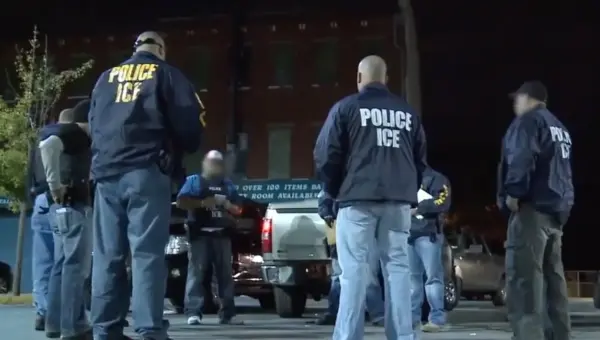
NJ Cops Can’t Hide Faces: New Mask Ban Sparks Debate
New Jersey has banned law enforcement officers, including ICE agents, from wearing masks on duty. The new law also requires officers to show ID before arrests. This move aims to boost transparency but raises safety concerns for officers and sparks debate with federal agencies.
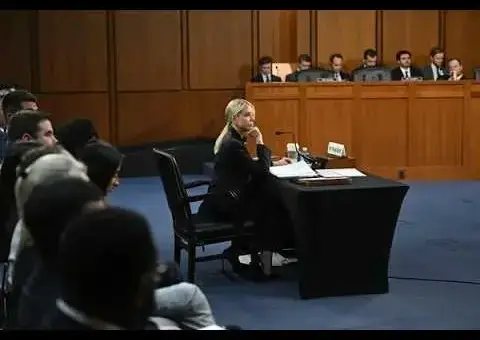
DOJ’s Blunders Expose Voter Data Risks
The Department of Justice's repeated failures to properly file lawsuits, including missing deadlines and incorrect procedures, raise serious concerns about their ability to handle sensitive voter data. These blunders highlight potential risks, whether from deliberate misuse or simple incompetence.


Google’s Grip: Have We Traded Privacy for Convenience?
The article explores how Google has become deeply integrated into our digital lives, often without a conscious decision from users. It examines the trade-offs between privacy and convenience, the dominance of Google's Chrome and Chromium engine, and the challenges of maintaining digital privacy in an increasingly data-driven world.