President Acts to End Airport Chaos Amid Shutdown
President Trump has ordered immediate payment for TSA agents affected by the 41-day government shutdown, aiming to end airport chaos. The move comes as the Senate remains deadlocked on DHS funding, with Democrats demanding immigration policy changes. This intervention highlights the human cost of the shutdown and the political maneuvering surrounding essential services.

President Acts to End Airport Chaos Amid Shutdown
President Trump took a significant step to ease the growing airport disruptions caused by the partial government shutdown. He issued an emergency order directing the Secretary of Homeland Security to immediately pay Transportation Security Administration (TSA) agents. This move aims to end what the President called “Democrat chaos” at airports. The shutdown has now lasted 41 days, and TSA workers were set to miss their second full paycheck this week. This financial uncertainty has led many TSA employees to call out of work, causing record-long wait times. These delays are the worst in the TSA’s 24-year history.
Senate Stalemate Continues
Meanwhile, the Senate remains divided over funding for the Department of Homeland Security (DHS). Senate Majority Leader John Thune stated that Republicans have presented their final offer to Democrats. However, there has been no response from the Democratic lawmakers yet. Democrats are demanding changes to immigration enforcement practices. This demand follows an incident where Immigration and Customs Enforcement (ICE) agents were involved in the deaths of two American citizens protesting their actions in Minneapolis.
ICE Agent Saves a Baby’s Life
Amidst the travel chaos, a heartwarming story emerged from JFK Airport. Grainy video shows an ICE agent performing the Heimlich maneuver on an infant who had stopped breathing. The agent successfully revived the baby, who had been unresponsive for two minutes. This act of heroism highlights the complex roles of ICE agents, who are also working at airports during the shutdown.
Analysis of the President’s Order
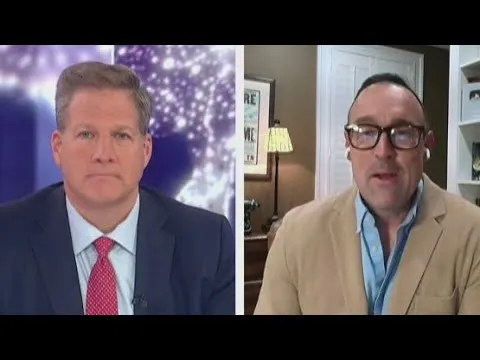
Former New Hampshire Governor Chris Sununu, now CEO of Airlines for America, commented on the President’s order. He believes the President is directing the new DHS Secretary, Markwayne Mullin, to release funds from the DHS’s substantial budget, which exceeds $100 billion. Sununu suggested that the President wants these agents paid immediately, even if Congress has not yet finalized a funding deal. He emphasized that Congress still has a job to do in resolving the shutdown. Sununu also noted that the TSA agents might not see the money in their accounts for a few days due to third-party payment systems. However, he believes this order will give them confidence that the situation is being resolved.
Human Cost of the Shutdown
Chris Cillizza, a political contributor and author, highlighted the human impact of the shutdown. He pointed out that TSA agents have testified on Capitol Hill about their struggles, with some living in their cars or selling plasma to make ends meet. Cillizza agreed that Congress is responsible for funding the government, comparing it to paying household bills. He suggested that Democrats, believing they have the political advantage, should accept any resolution and move forward. Cillizza also warned that the longer the lines persist, the more President Trump can appear as a rescuer, which could benefit him politically.
Political Calculations and Consequences
Both analysts agreed that the President’s action provides some reassurance to TSA agents, even if the funds aren’t immediate. Cillizza stated that Trump’s move is not only the right thing to do but also politically smart. He argued that people cannot go months without paychecks, and the country’s air travel system cannot endure such a crisis. The shutdown has already led to flight cancellations and significant travel disruptions, causing people to miss important events like funerals.
Seeking Long-Term Solutions
The airline industry is seeking certainty to prevent future disruptions. Sununu mentioned that bills like the Aviation Funding Stability Act are already in Congress. These bills would ensure that air traffic controllers and TSA agents are paid regardless of future government shutdowns. He expressed concern that without such measures, this situation is likely to happen again, especially with budget authorizations coming up in September. The public should be concerned about the ongoing political wrangling impacting essential services.
Congressional Responsibility and Public Frustration
Cillizza added that the revelation that members of Congress can skip TSA lines might spur some action. However, he noted that Congress often delays difficult decisions. He predicted that a short-term deal might be reached now, but the underlying issues could resurface later. The current situation underscores the frustration of the American public, who are caught in the middle of political disputes that affect their daily lives and travel plans.
Global Impact
This event highlights the vulnerabilities of critical infrastructure in the face of political gridlock. The reliance on government funding for essential services like airport security means that political disputes can have immediate and widespread consequences. The President’s executive action demonstrates the power of the executive branch to intervene when Congress is unable to act, but it also raises questions about the separation of powers and the long-term sustainability of such measures. The economic impact on the travel industry and the human cost for affected workers are significant. Furthermore, the incident could influence public perception of government effectiveness and the political parties involved, potentially shaping future election outcomes.
Historical Context
Government shutdowns are not new in U.S. history. They have occurred numerous times when Congress and the President have failed to agree on spending bills. The current shutdown is notable for its length and its direct impact on public services and essential workers. Past shutdowns have also led to disruptions in services and economic losses. The debate over DHS funding is tied to broader immigration policy debates, which have been contentious for decades. The current situation echoes past struggles over border security and immigration reform, showing how these issues can paralyze government functions.
Economic Leverage
The shutdown’s economic impact is multifaceted. For TSA workers, the lack of paychecks creates immediate financial hardship. For the airline industry, flight delays and cancellations lead to lost revenue and increased costs. The broader economy can also be affected by reduced travel and consumer confidence. The President’s order to use existing DHS funds is a way to mitigate the immediate economic fallout, but it does not resolve the underlying budgetary disagreements. The debate over DHS funding itself involves significant sums, reflecting the scale of national security and immigration enforcement priorities.
Regional Alliances and Power Balances
While this event is primarily domestic, it has implications for how the U.S. government functions and its reliability as a partner. International observers watch these internal political struggles, which can influence perceptions of American stability and leadership. The ability of the U.S. government to manage its own affairs, including funding essential services, is seen as a reflection of its overall strength and capacity. Disruptions at major international airports can also affect global travel and trade routes, though the immediate impact is localized.
Future Scenarios
One scenario is that Congress will pass legislation to prevent future shutdowns for essential workers, providing long-term stability. Another possibility is that political divisions will persist, leading to recurring crises. The President’s use of executive authority might set a precedent for future administrations facing similar impasses. The public’s reaction to the shutdown and the President’s response could also influence the political landscape, potentially impacting upcoming elections. The ongoing debate over immigration and border security will likely continue to be a major point of contention, influencing funding decisions for years to come.
Source: Chris Sununu, Chris Cillizza react to Trump's TSA order | Elizabeth Vargas Reports (YouTube)

Related Articles

House Funds DHS Short-Term, Senate Stalemate Looms
The House has passed a short-term bill to fund the Department of Homeland Security, but the Senate is expected to reject it. This temporary measure highlights ongoing political divisions and the challenges in reaching long-term budget agreements in the U.S. Congress.
TSA Staff Cuts Create Airport Chaos for Travelers
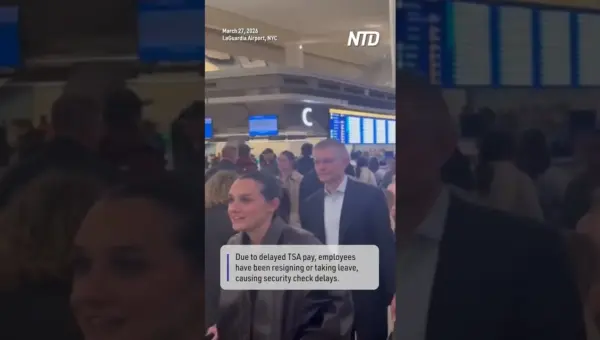
Recent TSA agent shortages, fueled by a government shutdown and delayed pay, have caused significant delays and long security lines at major airports. This situation highlights the critical role of TSA staff and the impact of funding issues on essential services.

Congress Stalemate Threatens Border Security Funding
The U.S. House passed a temporary funding bill for the Department of Homeland Security, but Senate Democrats are expected to block it. This recurring stalemate highlights deep divisions over border policy and funding, potentially impacting national security and international perceptions of U.S. stability.