Iran Outmaneuvers U.S. in Strait of Hormuz Standoff
Iran's government has strategically used the Strait of Hormuz to exert influence, outmaneuvering U.S. military might with tactics of defiance and disruption. This approach challenges traditional notions of power and has placed the U.S. in a difficult diplomatic position.

Iran Outmaneuvers U.S. in Strait of Hormuz Standoff
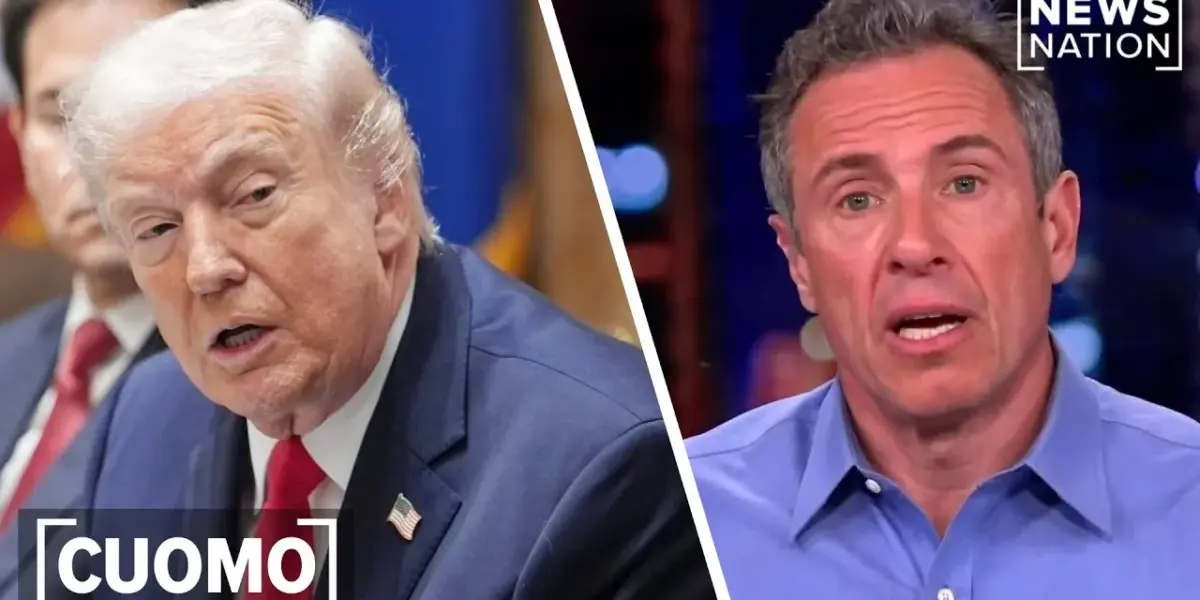
The United States, under President Trump, faces a significant challenge from Iran’s government regarding control of the Strait of Hormuz. Despite America’s military strength, Iran’s regime has proven adept at a different kind of strategy. They are experts at defiance, denial, and survival, often using tactics that confuse and frustrate opponents.
A Shift in Strategy
While the U.S. can project significant military power, Iran’s government has found a different path to influence. They have focused on controlling key waterways, particularly the Strait of Hormuz. This strategic move allows them to disrupt global shipping and exert pressure, even when their conventional military capabilities are limited. Reports suggest their missile and drone launches have decreased by over 90%, and they lack a strong air force or navy.
The Strait of Hormuz: A Vital Chokepoint
The Strait of Hormuz is a narrow waterway connecting the Persian Gulf to the open ocean. A huge amount of the world’s oil passes through this strait every day. Controlling it gives a nation significant economic and strategic leverage. Iran’s government has used this choke point to its advantage, sometimes letting ships pass as a perceived ‘gift’ or acting like a toll booth.
Diplomacy and Deception
President Trump announced peace talks with Iran were going well, based on a request from the Iranian government. As part of this, the U.S. paused disruptions to energy plants for ten days. The Iranian government has also reportedly promised not to build nuclear weapons. However, these claims are met with skepticism, especially after an AI video showed the regime depicting the nuclear destruction of the Statue of Liberty.
A Pattern of Defiance
The Iranian regime has a history of defying international expectations. Even after facing military setbacks, they refuse cease-fire offers. This pattern suggests they are not looking to win a direct military confrontation with the U.S. or its allies like the IDF. Instead, their goal appears to be survival and continued influence through disruptive tactics.
Misinterpreting ‘Victory’
The transcript highlights a potential misunderstanding of what constitutes a win for Iran. While they cannot defeat America militarily, they have succeeded in surviving and continuing to cause disruption. This has led to a situation where the U.S. president seems to be deferring to Iran’s government on issues related to the Strait of Hormuz. This dynamic has put the U.S. in an awkward position, appearing to negotiate with a group described as ‘lying terrorists’.
Historical Context
Iran’s strategy of using its location to control vital shipping lanes is not new. Throughout history, nations controlling strategic waterways have wielded considerable power. The current standoff echoes past tensions in the region, where control over trade routes has often been a source of conflict. The U.S. has historically sought to ensure freedom of navigation in these critical areas.
Economic Leverage and Sanctions
While the transcript doesn’t detail specific sanctions, Iran’s economy is heavily impacted by international pressure. However, its ability to control the Strait of Hormuz provides a form of economic leverage. By disrupting oil shipments, Iran can affect global energy prices and create economic instability, using this as a bargaining chip.
Shifting Power Dynamics
The situation suggests a complex geopolitical game where Iran’s government is playing a long game. They have identified a strategy that works for them, despite facing superior military might. This involves creating a narrative of defiance and using strategic chokepoints to their advantage. This approach has led to a situation where the U.S. administration appears to be reacting to Iran’s moves rather than dictating terms.
Future Scenarios
Several outcomes are possible. Iran’s government might continue its strategy, forcing the U.S. to constantly react. Alternatively, diplomatic efforts could lead to a de-escalation, though Iran’s past behavior suggests this is unlikely to be straightforward. A more aggressive U.S. response is also possible, but this carries significant risks in a volatile region. The core question remains: how will the U.S. respond to Iran’s persistent strategy of survival and disruption?
Global Impact
This ongoing standoff has far-reaching consequences. It affects global oil prices, international trade, and regional stability. The ability of a smaller nation to repeatedly challenge a superpower through asymmetric tactics raises questions about the future of international security. It highlights how non-military strategies can effectively shape geopolitical outcomes, forcing major powers to reconsider their approaches.
Source: Trump has met his match in Iran's tough-talking regime | CUOMO (YouTube)

Related Articles
Ukraine Strikes Russian Oil Refinery, Eyes Iran Threat
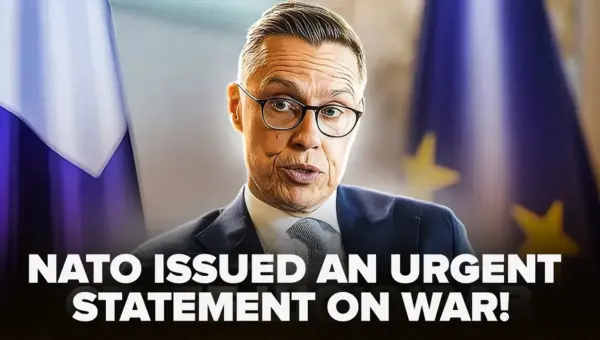
Ukrainian forces struck a key Russian oil refinery, disrupting Moscow's war capabilities. Meanwhile, Finland's president urged continued U.S. support for Ukraine, as Kyiv shares its air defense expertise globally amid growing geopolitical complexities involving Iran and potential sanctions against Hungary.

Trump Halts Iran Strikes Amid Stalled Diplomacy
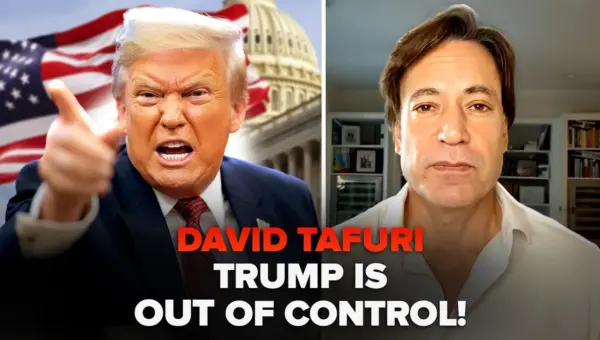
President Trump announced a pause on planned strikes against Iran, citing productive talks, though Iran denies negotiations occurred. Reports also suggest a potential U.S. ground operation on Iran's Hark Island. The situation raises concerns about international support for Ukraine and potential shifts in U.S. foreign policy.
Iran’s Missile Threat Reduced by 90%, Analyst Says
An analyst reports that Operation Epic Fury has degraded Iran's missile launchers by 90%, despite challenges in targeting hidden sites. The conflict's duration and media coverage are also discussed, with implications for global energy markets and investor confidence.