Gas Tax Cuts Offer Little Relief, Economist Warns
Economists suggest that cutting the federal gas tax, currently 18 cents per gallon for gasoline, would offer minimal relief to consumers due to thin profit margins in the competitive fuel market. The move could theoretically lower prices for buyers and increase earnings for sellers, but the overall impact is expected to be small. Funding for highway infrastructure remains a larger, unresolved issue.

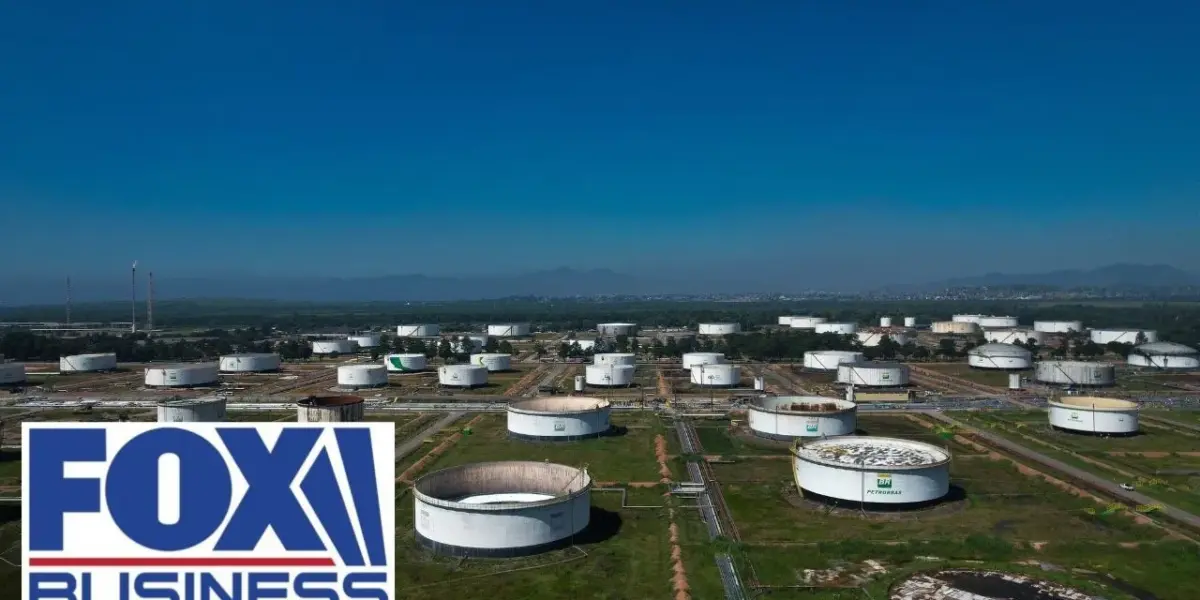
Gas Tax Holiday: A Closer Look at the Economic Impact
Talk of cutting the federal gas tax has resurfaced as politicians seek ways to offer relief at the pump. Some states have already taken action, but the President has so far resisted a national cut. The federal tax currently stands at 18 cents per gallon for gasoline and 24 cents per gallon for diesel fuel. While a tax cut might sound appealing, economists suggest its impact on consumers could be minimal.
Understanding the Gas Tax
The gas tax is often viewed as a user fee. The money collected typically goes into the Highway Trust Fund, which is used to pay for road and bridge construction and maintenance. The idea is that drivers who use the roads should help pay for them. Even those who generally favor lower taxes acknowledge that the federal gas tax represents a relatively small portion of the total price at the pump, often around 5%.
“If you were to cut the taxes, they would be probably pushed on the consumer, such a competitive market. That the virtually very small margin. Tax cuts get pushed it lower prices, it would help people, but the question would it make much of a difference.”
Why Cuts Might Not Trickle Down
In a highly competitive market like gasoline sales, businesses operate on very thin profit margins. This means that any savings from a tax cut are likely to be passed directly to consumers in the form of lower prices. However, the actual difference may be quite small. The Highway Trust Fund has also faced funding shortfalls for years. It has had to rely on money from the general government budget because the gas tax rate has not been increased since the mid-1990s.
Economic Theory: Tax Wedges and Market Effects
Economists explain that a tax creates a “wedge” between the price buyers pay and the price sellers receive. Think of it like this: if your employer agrees to pay you $100,000, but taxes take out $30,000, you only receive $70,000. That $30,000 is the wedge. When a tax is reduced, this wedge gets smaller. According to economic principles, reducing this wedge means buyers pay less, and sellers receive more. This can also potentially stimulate demand for the taxed good, in this case, gasoline.
Market Impact: Small Gains, Big Questions
While a gas tax cut might offer a slight reduction in prices, its overall effect on the economy and consumers’ wallets could be limited. The primary reason is the small percentage the federal tax represents of the total cost. Furthermore, the long-term funding issues for infrastructure projects remain unaddressed by a simple tax holiday. The economic theory suggests a redistribution effect, but the magnitude of this shift is questionable given the current market dynamics and the relatively low tax rate.
What Investors Should Know
For investors, the discussion around gas tax cuts highlights the complexities of market economics. While the immediate impact might seem positive for consumers, the underlying issues of infrastructure funding and the relatively small impact on overall consumer spending power are important considerations. The market for gasoline is highly sensitive to supply and demand. A tax cut might slightly boost demand, but if supply remains constrained, significant price drops are unlikely. Investors should look beyond the headlines to understand the deeper economic forces at play.
Immigrant Tax Filing: A Minor Factor
Separately, concerns have been raised about fewer immigrants filing taxes due to stricter immigration policies. However, economists suggest the revenue impact of this is very small, likely less than 1% of total tax revenue. Many undocumented immigrants are paid in cash and do not pay taxes directly. Those who do work often use fake Social Security numbers, meaning their tax situation doesn’t change much with policy shifts. The group most affected, undocumented contract workers, represents a small fraction of the overall tax base.
IRS Enforcement
The IRS has mechanisms to ensure compliance. For legal immigrants not paying taxes, the consequences can be severe, including potential arrest. The argument is that focusing on this issue diverts attention from more significant tax revenue challenges.
Source: 'Buyers pay LESS and sellers get MORE,' economist says (YouTube)

Related Articles

Markets Wobble as Geopolitics Shift Dramatically
Global markets are showing volatility as geopolitical tensions rise, with the Nasdaq nearing correction territory. Concerns over consumer spending, rising costs, and the nation's fiscal health are intensifying. Analysts debate whether current events represent short-term market noise or a fundamental "reinvention of geopolitics" with long-term implications.
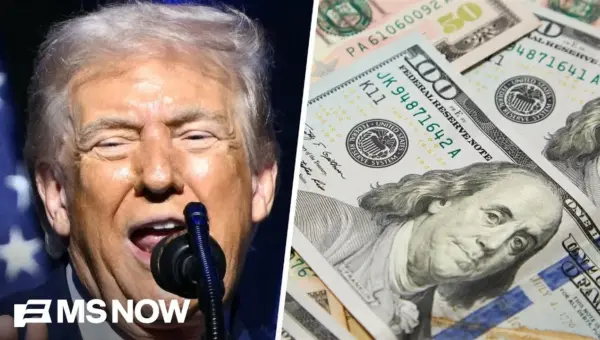
Polls Reveal Deep Voter Concerns Over War, Economy for Trump
Recent polls and political analysis suggest President Trump faces significant challenges due to voter concerns about the prolonged conflict in Iran and the struggling economy. Republicans are growing anxious as these issues impact the president's standing, while Democrats see an opportunity to present themselves as a more stable alternative.


Farmers slam ‘out of touch’ administration policies
John Boyd Jr. of the National Black Farmers Association criticized the White House for being "out of touch" with struggling farmers. He highlighted rising costs for fertilizer and fuel, a lack of invitations to key events, and the urgent threat of farm foreclosures, calling the administration's proposed solutions inadequate.