Democrats Surge Ahead: Midterm Sweep Looms Large
Recent Democratic victories, particularly in Florida, have dramatically shifted midterm election odds, suggesting a potential sweep of both House and Senate. This surge is attributed to voter weariness with Republican tactics and a perceived lack of governing competence. The outcome could reshape legislative priorities and force a strategic re-evaluation within the GOP.

Democrats Surge Ahead: Midterm Sweep Looms Large
Recent election results, especially in Florida, suggest a significant shift in political winds. Democrats have unexpectedly gained ground in districts previously considered strong Republican territory. These wins, including a victory in a district that houses Mar-a-Lago, signal a potential change in voter sentiment, even among traditionally Republican-leaning voters.
These special election successes, when added to other Democratic victories over the past year, paint a much brighter picture for the party heading into the upcoming midterm elections. What once looked like a likely Republican takeover of the House of Representatives now appears to be a strong possibility for Democrats. Furthermore, the odds of Democrats winning back control of the Senate have also increased dramatically.
Shifting Odds and Expectations
Data from market analysis firms like PredictIt shows a clear trend. Just days before these recent results, predictions favored Democrats retaking the House but falling short in the Senate. However, the landscape has changed. Now, the probability of Democrats winning both chambers of Congress in the upcoming midterms has reached its highest point. This suggests a broad consensus among observers that a Democratic sweep is increasingly likely.
“After this week’s results, everybody seems to be on the same page that yeah, Democrats are looking like they are going to sweep the midterms.”
Potential Roadblocks and Republican Challenges
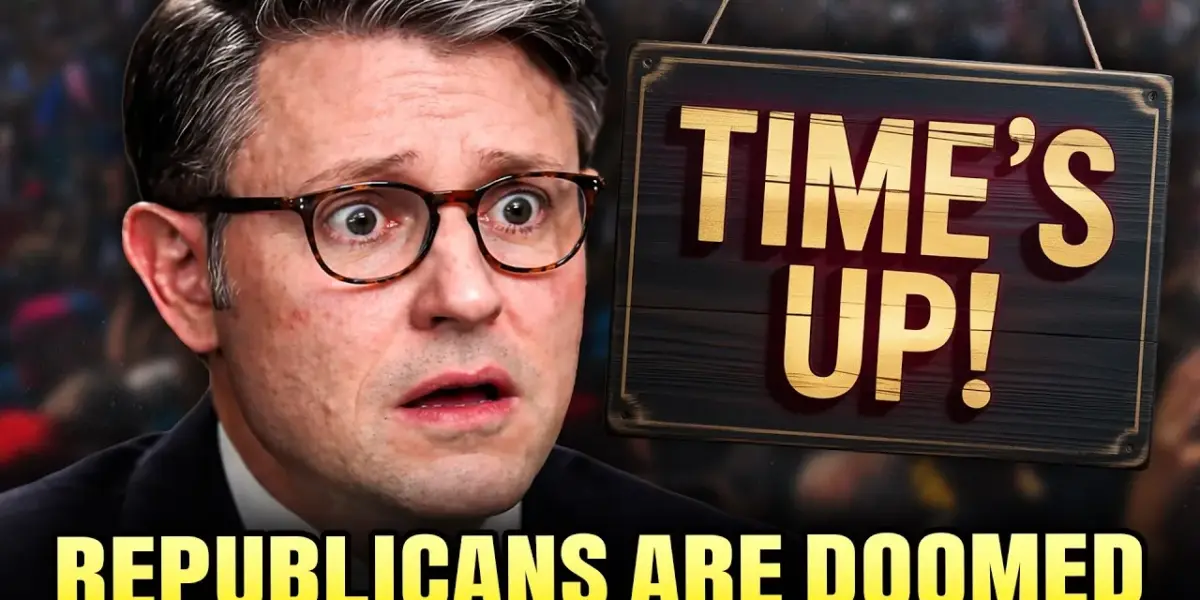
While the current outlook favors Democrats, the political future is never certain. The speaker of the House, Mike Johnson, has been noted for his lack of legislative achievements. He has overseen a period with few bills passed and has failed to secure a full-year budget, instead relying on short-term funding extensions. This has led to near government shutdowns multiple times, highlighting a perceived incompetence within the current Republican leadership.
The transcript suggests that some Republicans believe they might lose elections simply due to historical patterns where the party in power struggles in the first midterm after a presidential election. However, the analysis argues this is not just history repeating itself. It posits that the modern Republican party faces unique challenges due to what is described as incompetence and a lack of focus on governing. Instead of addressing policy, the party is seen as relying heavily on cultural issues and fear-based campaigning.
These tactics, such as focusing on issues like immigration, abortion, or the LGBTQ community, have historically been effective for Republicans. However, the argument is made that voters are growing weary of this approach. They see a party that is more interested in political maneuvering and securing corporate donations than in actually solving problems for the average citizen. This perceived disinterest in governing, coupled with a focus on personal financial gain after leaving office, is presented as a key reason for the declining public support.
Why This Matters
The shifting political odds are significant because they indicate a potential realignment of power in Washington. If Democrats manage to sweep both the House and the Senate, they could enact a much broader legislative agenda. This could include policies related to economic relief, environmental protection, or social programs, depending on their priorities. Conversely, a Republican loss of both chambers would put immense pressure on the party to re-evaluate its strategy and leadership.
This situation also raises questions about the future of political campaigning and governance. The analysis suggests that a strategy based purely on cultural grievances and fear may no longer be sufficient. Voters might be demanding more substance and effective leadership. The perceived inability of the Republican party to govern effectively, as highlighted by the struggles to pass budgets, could be a critical factor in voter decisions.
Historical Context and Future Outlook
Historically, midterms often serve as a referendum on the sitting president’s party. However, the current political climate appears more complex. The transcript points to a modern Republican party that, in its current form, lacks historical precedent due to its perceived incompetence and focus on divisive issues rather than legislative action. This is a departure from past political eras where parties, even in opposition, often engaged more directly in the legislative process.
Looking ahead, the ability of any party to govern effectively will be crucial. If Democrats secure a sweep, the focus will be on their performance and whether they can deliver on their promises. For the Republican party, a significant loss would likely trigger internal debates about strategy, leadership, and their core message. The potential for election interference or intimidation, as mentioned regarding efforts to discourage voters, also remains a concerning backdrop that could impact future electoral integrity.
The current trends suggest that voters are increasingly scrutinizing not just party platforms but also the actual governing capabilities of their elected officials. The perception of incompetence, as described in the analysis, could be a powerful force shaping electoral outcomes for years to come. The coming midterms will be a critical test of whether this trend continues and what it means for the direction of American politics.
Source: Democrats May Sweep EVERYTHING In 2026 Midterms (YouTube)

Related Articles

Trump’s Name Everywhere: A ‘Stain’ on GOP Legacy?
Former President Donald Trump's efforts to brand national symbols, including a proposed signature on dollar bills, spark debate. Critics view this as an authoritarian attempt to embed his legacy, potentially staining the Republican Party's history and contrasting with democratic ideals of public ownership.


CPAC Crowd’s Boos Reveal GOP’s Deep Divide
A moment at CPAC where the crowd booed impeachment hearings reveals deep divisions within the Republican party. Younger supporters are concerned the GOP base is crumbling due to issues like the Iran war, gas prices, and other controversies.

Florida Shockwave: Red State Flip Signals GOP’s Midterm Peril
Democrats have secured key victories in deep-red Florida districts, boosting their chances of winning both the House and Senate in the upcoming midterms. This surprising trend suggests a potential shift in voter sentiment, even in traditionally Republican strongholds.