Shrink the Fed: AI and Smarter Data Can Boost Efficiency
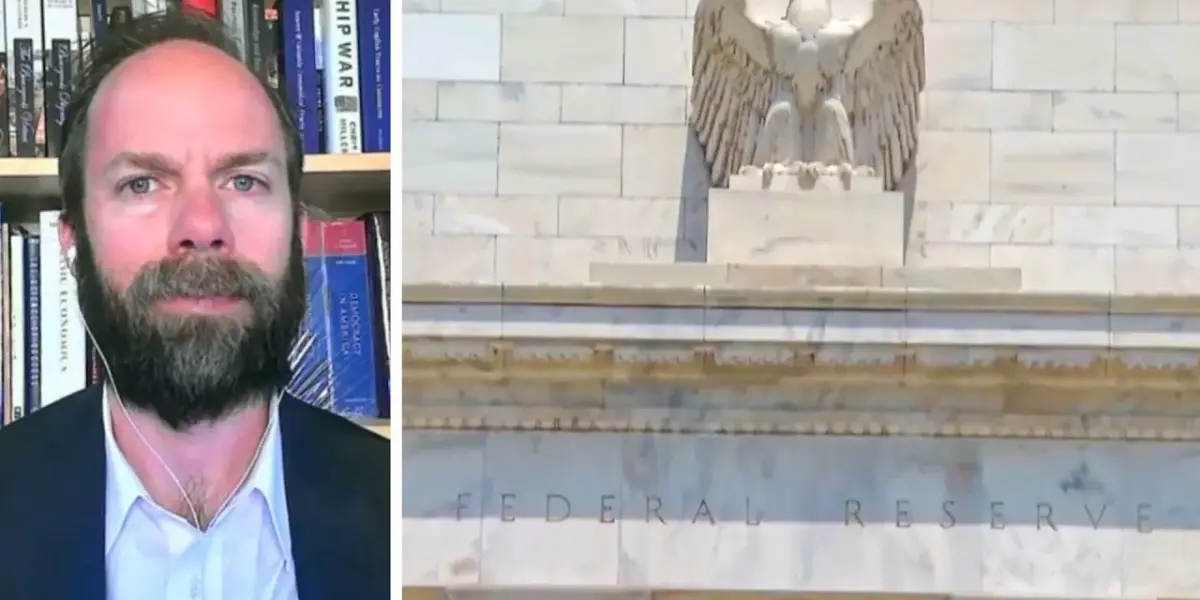
Economist Paul Mueller proposes downsizing the Federal Reserve, arguing that AI and real-time data analysis can boost efficiency. He suggests cutting non-core programs and reducing staff to improve focus and cost control.

Shrink the Fed: AI and Smarter Data Can Boost Efficiency
The Federal Reserve, America’s central bank, has grown significantly over the years. It has become larger in terms of its assets, its staff, and its overall budget. Economist Paul Mueller argues that this growth isn’t necessarily making the Fed more effective. In fact, he believes that a smaller, more focused Federal Reserve could be much better at its job. This idea, explored in his article “Bigger Isn’t Better: A Case for Downsizing the Federal Reserve,” suggests that using new technology like artificial intelligence (AI) and relying on more up-to-date data could help the Fed improve its processes and save money.
Why Downsizing Matters
Mueller points out that the Fed’s way of funding itself, which is largely self-funded, doesn’t create strong reasons for it to cut costs or become more efficient. Even though technology has advanced and many tasks can be automated with AI, the Fed’s size has continued to increase. This lack of outside pressure to shrink means the organization can become bloated. A smaller Fed, Mueller suggests, would not only save taxpayer money but also lead to better decision-making. This is because it would force the institution to improve how it uses data and analyzes the economy.
Addressing Independence Concerns
A common concern when discussing changes at the Fed is maintaining its independence. The Fed needs to be free from political pressure to make sound economic decisions. Some might worry that changing how the Fed is funded could threaten this independence. Mueller clarifies that he is not necessarily suggesting a complete overhaul of the funding model. Instead, he believes the Fed should have the ability to reform itself. However, he acknowledges that sometimes an “outside push” or pressure from Congress might be needed to initiate such reforms. He hopes that a new chairman, if confirmed, would prioritize streamlining operations and reducing overhead, which includes cutting staff numbers.
“It’s a big organization that employs a lot of people with high salaries and I think it would it would definitely go a long way towards reassuring the American people that they’re managing our monetary system well if they’re managing their internal budget well.”
Focusing on Core Missions
The Federal Reserve has several key roles, including setting interest rates, overseeing banks, and ensuring financial stability both in the U.S. and globally. Mueller believes that a reduction of 20-30% in staff is possible without harming these core functions. He argues that over the past decade, the Fed has experienced “mission creep,” taking on issues like climate change and diversity, equity, and inclusion (DEI) initiatives that are not central to its main goals. Streamlining the organization, he says, would allow it to focus more effectively on the safety and soundness of banks, including their capital reserves and risk-taking. He points to Europe, where central banks have fewer employees and still manage their banking systems effectively.
Leveraging Technology and Data
Mueller specifically suggests cutting back on programs focused on DEI and environmental issues. He also believes the number of economists at the Fed could be reduced, especially with the advancements in AI. AI can increase productivity and provide access to better models and information, making it possible to do more with fewer people. He estimates that the Fed currently employs 800 to 1,000 economists, a number he feels could be scaled back. Furthermore, he emphasizes the need for the Fed to take full advantage of the ongoing revolution in computer programming and software. This technological change can provide the impetus for internal reforms, making the Fed more efficient.
Moving Beyond Lagging Indicators
A significant criticism Mueller raises is the Fed’s reliance on slow, outdated economic data. Government reports often reflect what happened months ago, not what is happening in real-time. He suggests the Fed should instead use more current data sources. Websites like Trueflation, for example, track transactions and price levels in real time. Many government data systems are based on surveys and are not as comprehensive or up-to-date as real-time transaction data. Mueller believes the Fed has a great opportunity to improve its analysis by incorporating more market data and building its own internal tools. With access to vast amounts of financial data from the banks it regulates, the Fed can update its methods to better reflect current economic conditions.
Addressing Supply-Side Issues
The Fed’s tools are generally more effective at influencing demand than supply. Mueller notes that the Fed has limited direct control over supply-side factors. However, he suggests that the Fed can help by providing a clear and stable framework for economic decision-making. This means being predictable about how it will respond to economic changes. Currently, the Fed’s decisions can seem like a “black box,” with considerable discretion given to officials. Mueller advocates for a more rules-based approach, like the Taylor Rule, which provides a clear formula for adjusting interest rates based on inflation and unemployment levels. Such predictability would help businesses and individuals make better long-term plans and investments, indirectly supporting supply-side growth.
The Path Forward
Mueller’s proposal calls for a more streamlined, technologically advanced, and data-driven Federal Reserve. By reducing its size, cutting non-essential programs, and embracing modern data analysis tools like AI, the Fed could become more effective and efficient. This approach, he argues, would not only save money but also enhance the Fed’s ability to manage the economy and maintain financial stability, ultimately benefiting the American public.
Source: Downsizing and AI Data Analysis Could Help the Federal Reserve: Economist (YouTube)

Related Articles


Iran Conflict Sparks Market Volatility, Experts Weigh In
Geopolitical tensions in the Middle East have rattled global markets, with stocks falling and safe-haven assets like the U.S. dollar strengthening. Experts suggest the market may have overreacted, creating potential buying opportunities, but warn of a "bumpy journey" ahead due to infrastructure damage and potential oil shortages. Concerns also linger about the Federal Reserve's independence amidst political commentary.


Finland Tops Happiness Chart, UK Falls to 29th
Finland has once again been named the world's happiest country, while the UK dropped to 29th in the latest World Happiness Survey. The report explores the complex ways happiness is measured and highlights unique Finnish concepts of well-being, alongside concerning trends in youth happiness.


ChatGPT Adds Library Tab, Google Overhauls AI Studio
This week's AI news highlights significant updates from major players. ChatGPT now features a Library tab for easier document management, while Google has overhauled its AI Studio, merging it with an app builder to simplify the creation of multiplayer experiences. We also look at Midjourney V8's performance, user hopes and fears about AI from an Anthropic study, and quick updates from Gamma, OpenAI, and Claude.