Trump Delays Iran Strikes, Weighs 10,000 More Troops
President Trump has extended a deadline for potential airstrikes on Iran's energy sector by 10 days, allowing more time for indirect peace talks. Meanwhile, the Pentagon is reportedly considering sending an additional 10,000 U.S. ground troops to the Middle East, raising questions about the administration's strategy.

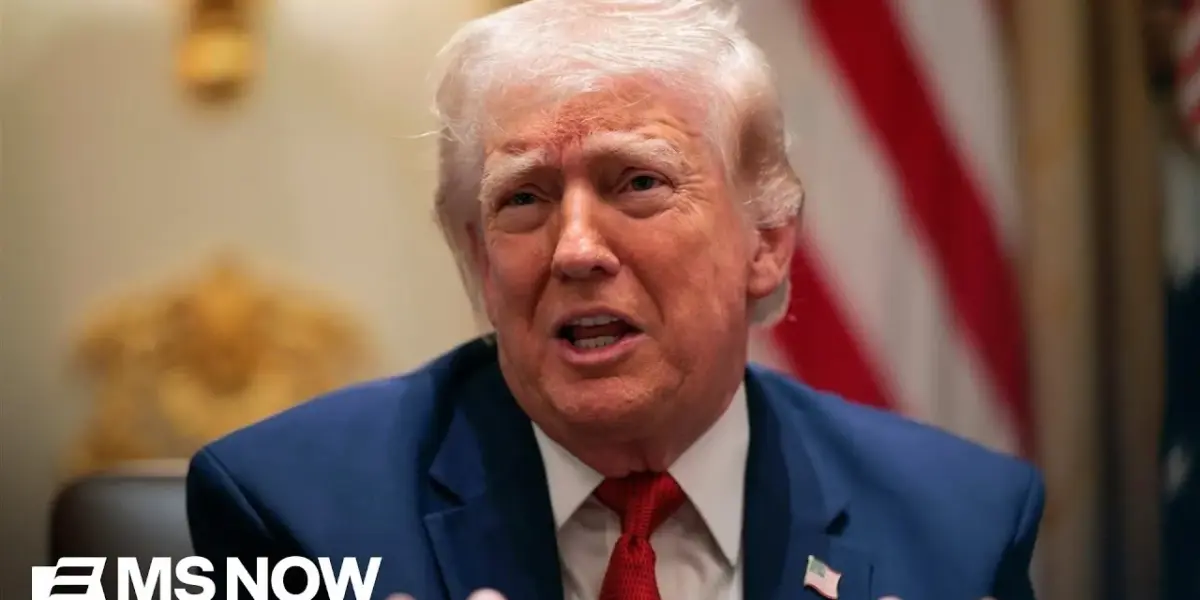
Trump Delays Iran Strikes, Weighs 10,000 More Troops
In a significant shift, President Donald Trump announced a 10-day delay in potential airstrikes targeting Iran’s energy sector. This decision, made on the 27th day of the ongoing conflict, extends a deadline for Iran to reopen the Strait of Hormuz, a vital oil transport route. The new deadline is set for April 6th. This pause also allows more time for what appear to be indirect peace talks between the two nations.
Indirect Talks and Demands
According to Reuters, the United States has presented a 15-point proposal to Iran. This proposal reportedly includes demands for Iran to dismantle its nuclear program, limit its missile capabilities, and effectively cede control of the Strait of Hormuz. Iran has rejected this offer. In response, Iran has countered with its own demands, seeking guarantees against future military action, compensation for past losses, and formal control over the Strait.
Negotiations Stall Amid Hardened Stances
Negotiations between the U.S. and Iran have reached an impasse. Both countries have significantly hardened their positions, making a resolution difficult. This situation has led to public confusion regarding the exact state of the conflict and diplomatic efforts. President Trump has expressed a degree of optimism, stating, “THEY ARE BEGING TO WORK OUT A DEAL. I DON’T KNOW IF WE’LL BE ABLE TO DO THAT.” He believes the Iranian regime feels defeated and is seeking a deal because of this perceived weakness.
Pentagon Considers Major Troop Increase
Meanwhile, The Wall Street Journal reports that the Pentagon is considering sending an additional 10,000 U.S. ground troops to the Middle East. This potential deployment, according to Department of Defense officials, would add to the 8,000 troops, including Marines and paratroopers, already stationed in the region. The prospect of sending more ground troops raises questions about the administration’s strategy and whether it signals an escalation rather than a de-escalation of the conflict.
Concerns Over Troop Deployment
White House correspondent Akayla Gardner noted that sending more ground troops does not appear to be an “off ramp” or a sign that the operation is winding down. She highlighted that while Trump officials suggest this could pressure Iran, the reality of increased troop presence suggests otherwise. Gardner also pointed out that many Republicans and Democrats in Congress believe the President needs congressional authorization before deploying more troops into combat zones. However, President Trump has shown little willingness to involve Congress, viewing them as potential leakers and suggesting he would not announce such actions beforehand if he deemed them necessary.
Public Opinion and Congressional Hesitation
The potential deployment of more troops raises concerns for families across the country, as it could mean more sons and daughters in harm’s way. Political reporter Dave Weigel discussed the situation with Republicans on Capitol Hill, noting that while many publicly defer to the President on this war, the idea of sending actual boots on the ground for military action is more complex. Axios reporting suggests some military officials are discussing options like taking over smaller islands near the Strait of Hormuz, which would require troops actively engaged in combat. Weigel observed that many Republicans might eventually support such a move but face challenges explaining the necessity to the public. He added that the average voter doesn’t fully understand the reasons for the conflict, and the explanations provided so far have not been very convincing.
Trump’s Focus on Optics
Miles Taylor, former chief of staff for the Department of Homeland Security, offered a different perspective on President Trump’s actions. Taylor suggested that Trump’s approach is driven by a quest to regain leverage and manage optics, rather than a clear set of objectives for the war. He stated, “Donald Trump is on a quest to regain leverage. This was never about objectives for him. He can’t even articulate the objectives of this war.” Taylor believes the President wants to end the conflict in a way that allows him to claim victory, regardless of the broader strategic goals. He concluded that Trump will not back down from Iran unless he can somehow frame the outcome as a win.
Market Impact and Election Countdown
The ongoing conflict is also weighing heavily on financial markets, with all three major indexes closing down on the day of the report. As the political landscape shifts, the conflict also comes at a time when the U.S. is 221 days away from the midterm elections, adding another layer of political pressure on the administration’s handling of foreign policy challenges.
Looking Ahead
The coming days will be crucial in determining the direction of U.S.-Iran relations. All eyes will be on whether the extended deadline leads to a diplomatic breakthrough or if military tensions escalate. The administration’s decisions regarding troop deployments and the ongoing negotiations will be closely watched by both domestic and international observers.
Source: Trump backs off threat to Iranian energy sites (YouTube)

Related Articles

Pentagon Chief Blocks Black, Female Officers’ Promotions
Pentagon chief Pete Hegseth is reportedly blocking the promotions of four Army officers, two Black and two women, to one-star general. This decision follows reports of alleged discriminatory remarks made by a top aide to Secretary Hegseth regarding President Trump's comfort standing with Black female officers.

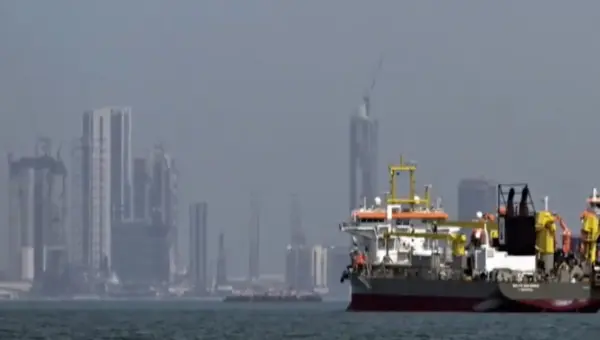
Iran Blocks China Ships, Exposing Beijing’s Weak Grip
Iran's recent decision to block Chinese ships at the Strait of Hormuz is exposing the limits of Beijing's influence in the Middle East. This action is causing delays and cancellations for Chinese manufacturers, turning a perceived geopolitical win into an economic strain.
Rubio: US Can Achieve Iran War Goals Without Troops
Senator Marco Rubio outlined a strategy to counter Iran without deploying U.S. ground troops, focusing on weakening the regime and enhancing maritime security. He also criticized Cuba's economic system and expressed concerns about West Bank violence.