Iran War Shakes Markets, Threatens Gulf Investments in U.S.
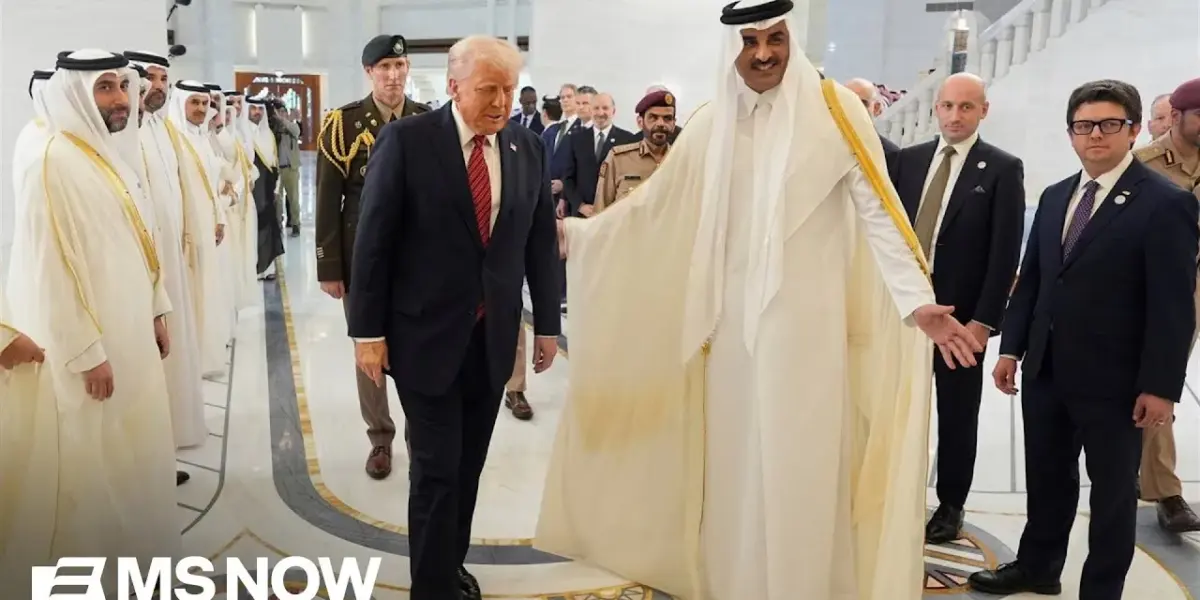
The escalating conflict in Iran is sending shockwaves through global markets, causing stock prices to plummet and inflation forecasts to soar. This regional instability is also casting a shadow over billions of dollars in planned investments from Gulf allies into the United States, raising concerns about economic fallout and diplomatic roles.

Markets Plunge Amid Iran Conflict, Inflation Fears Rise
Wall Street experienced a brutal day as major stock indexes fell sharply, driven by a surge in oil prices. The S&P 500 saw its worst single-day drop since the conflict in Iran began, losing nearly 2%. The Nasdaq also closed down almost 2.5%, officially entering correction territory. This turmoil is not just affecting stock prices; it’s also impacting broader economic forecasts. The Organization for Economic Cooperation and Development (OECD) now projects U.S. inflation to exceed 4% this year, a significant increase from its earlier forecast of 2.8% and even higher than the Federal Reserve’s prediction of 2.7%.
Investor Hope and Bellicose Rhetoric Fuel Market Volatility
Despite the significant market downturn, President Trump suggested the market’s reaction to the war has been less severe than he anticipated. Experts believe this relative calm stems from what’s called the “taco trade,” a hopeful expectation that former President Trump will de-escalate the situation. This hope is tied to the belief that continued conflict, potentially closing the Strait of Hormuz, could lead to dramatically higher oil and gas prices. However, market jitters were re-ignited when Trump issued a stern warning to Iran via social media, signaling that such aggressive language can quickly unnerve investors. While some anticipate a market rebound, the underlying economic issues remain unresolved.
Oil Price Shock Ripples Through the Economy
The economic consequences of the Iran conflict are expected to linger for months. This is largely due to the nature of oil price shocks. When oil prices rise, consumers feel it directly at the gas pump. But the impact extends much further. Shipping costs increase because of higher diesel prices, and airline ticket prices climb due to more expensive jet fuel. Manufacturing costs also go up as oil is a key input for many everyday goods. This inflationary pressure, as highlighted by the OECD’s grim inflation forecast, shows how interconnected the global economy is and how disruptions in one region can have widespread effects on prices for consumers everywhere.
Gulf Investments in U.S. Face Uncertainty
Beyond the stock market and inflation, the conflict is creating significant uncertainty for investments between the United States and its Gulf allies. Reports indicate that hundreds of billions of dollars pledged by Middle Eastern nations for investment in the U.S. are now in doubt. A key part of former President Trump’s economic strategy relied on these substantial investments flowing into various sectors, from defense purchases to financing technology infrastructure. However, with regional instability and the need to bolster their own defenses, these nations may reconsider their financial commitments. For instance, a planned luxury ski resort in Saudi Arabia has reportedly been canceled, with speculation that funds are being redirected to more pressing security needs. This instability also impacts tourism, as potential visitors may avoid the region during times of conflict.
Jared Kushner’s Role and Potential Conflicts
The situation also brings attention to figures like Jared Kushner, a prominent Gulf investor and a key player in U.S.-Iran diplomacy. Describing himself as a volunteer assisting the government, Kushner’s involvement has been more extensive than initially anticipated. While he denies any impropriety or conflict of interest, his dual role as a businessman with significant ties to the region and a negotiator for the U.S. raises questions. Alongside other businessmen, such as Steve Witkoff, who also have real estate backgrounds and personal connections to former President Trump, their effectiveness in resolving this complex global conflict is being scrutinized. Critics question whether these individuals are truly acting in America’s best interest or prioritizing their own financial and familial ties.
Presidential Signature on U.S. Dollar Sparks Branding Debate
In a move seen by some as another attempt to imprint his brand on national institutions, President Trump’s signature will soon appear on U.S. dollar bills. This is a first for a sitting president. While the practical impact on consumers is debatable, as most people don’t focus on whose signature is on their money, the move is viewed by some as an effort to associate his name with a universally recognized symbol of American power and finance. It highlights a broader pattern of branding traditional elements with a distinct Trump-style identity.
Source: 'This war is costly.' Iran war risks upending Gulf allies' investments in U.S. (YouTube)

Related Articles


Tiger Woods Arrested for DUI After Crash
Golf legend Tiger Woods was arrested for DUI in Florida following a dramatic rollover crash. Meanwhile, a government shutdown continues as House Republicans block a Senate deal, leading to airport chaos and TSA worker pay issues. The stock market also plummeted into correction territory amid fears of a prolonged Iran conflict.
Trump’s Iran War Plans Criticized Amid Border Funding Standoff
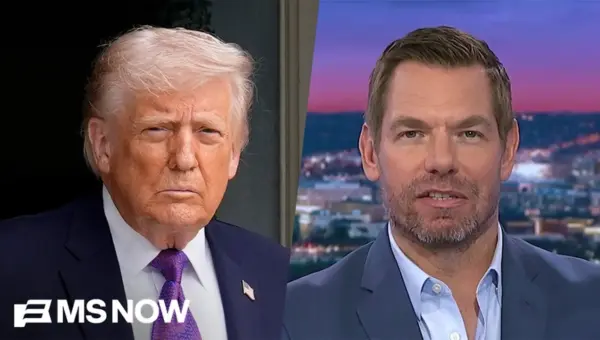
Lawmakers and analysts are criticizing the Trump administration's handling of the Iran conflict and its approach to border funding, arguing that a lack of clear planning and a focus on political battles are making the U.S. less safe. Concerns are particularly high regarding the FBI's priorities and the potential impact of these issues on national security.
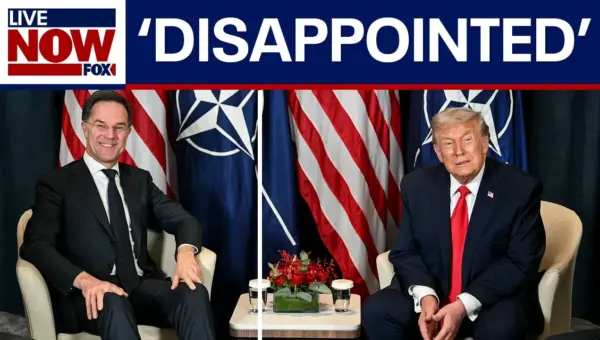
Trump Critical of NATO as Iran Conflict Escalates
President Trump voiced frustration with NATO's lack of involvement in the Iran conflict while the U.S. military prepares for a sustained campaign. Reports indicate significant damage to Iran's military, but tensions remain high with ongoing missile strikes and a recent attack on a Saudi air base wounding U.S. personnel.