Trump Declares US Self-Sufficiency, Allies Unneeded
Donald Trump's declaration that America doesn't need allies signals a potential shift towards extreme self-reliance. The analysis explores his claims on energy independence and the questioning of alliances like NATO. It also touches upon the focus on domestic projects and a new perspective on wielding political power.

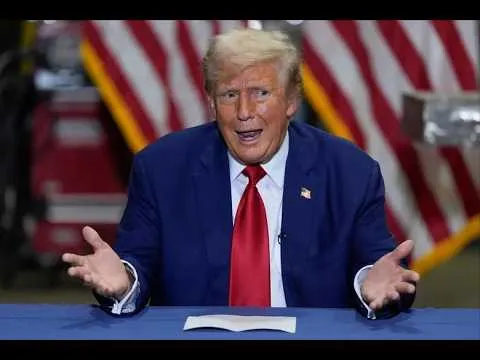
Trump’s Bold Statement: America Stands Alone
Donald Trump recently sent a clear message to the world: America doesn’t need allies. This declaration, suggesting that global partnerships are unnecessary for US leadership, has sparked significant debate. It paints a picture of American exceptionalism that prioritizes independence above all else, even at the potential cost of global stability and economic ties.
Oil Independence? A Closer Look
One key area Trump highlighted was energy. He asserted that the US has abundant oil and is unaffected by issues like the closure of the Strait of Hormuz. This implies that America can weather any storm, economic or political, without relying on international energy markets or the cooperation of other nations. However, the reality might be more complex. While US oil production has increased, global markets are interconnected. Disruptions in major shipping lanes like the Strait of Hormuz can still affect prices for everyday goods, from clothing to medical equipment, impacting American consumers.
Rethinking Alliances: NATO Under Scrutiny
Trump also questioned the value of alliances like NATO. He suggested that while the US protects Europe from Russia, other NATO members don’t offer similar security guarantees to the US. This perspective frames alliances as a one-sided burden rather than a mutual defense pact. He described the current situation as a “test of loyalty” that NATO has failed. This view challenges the long-standing principle of collective security that has underpinned Western defense for decades, suggesting a transactional approach to international relations.
The Role of Media and Perception
The analysis also touched on how certain media outlets portray these events. It points out that narratives suggesting the administration is losing diplomatic battles or that negotiations are failing are dismissed as “lies.” The argument presented is that America is already victorious, regardless of the outcome of specific conflicts or negotiations. This highlights a strategy of controlling the narrative and framing outcomes as successes, even when faced with criticism or unfavorable developments.
Prioritizing Domestic Projects Over Global Concerns
The transcript suggests a focus on domestic priorities, even when they seem to contradict pressing global or economic needs. Examples include the renovation of the Lincoln bedroom bathroom with expensive marble, presented as a way to combat racism. It also mentions the creation of a new commemorative coin featuring Trump. These projects are framed as fulfilling the nation’s true needs, contrasting with what the speaker calls “foolish ideas” like lowering healthcare costs or ensuring affordable gas prices. The underlying message is that the administration is focused on what it deems important, even if it means higher costs for the average citizen.
A New Approach to Power
The video concludes by introducing a book, “The Day After: How to Wield Power in a Post-Trump World.” This book aims to explore how power is used and misused in politics, particularly focusing on how Republicans “abuse” it and Democrats “refuse to wield” it. It promises a blueprint for progressives looking to not just restore the past but to move forward and effectively use power when they have the opportunity.
Why This Matters
Trump’s “America First” approach, emphasizing self-reliance and questioning long-held alliances, represents a significant shift in foreign policy thinking. It challenges the post-World War II international order built on cooperation and mutual defense. Understanding this shift is crucial for grasping current geopolitical dynamics and anticipating future international relations. The focus on domestic projects and a strongman image also speaks to a particular style of leadership that prioritizes symbolic gestures and personal loyalty over traditional diplomatic or economic considerations.
Historical Context
Historically, the United States has benefited immensely from its network of alliances, which has provided security, economic opportunities, and diplomatic leverage. NATO, for instance, was formed to counter Soviet aggression and has since adapted to new threats. Similarly, trade agreements and international cooperation have fueled global economic growth. Trump’s rhetoric marks a departure from decades of bipartisan consensus on the importance of these international structures, harkening back to more isolationist sentiments that have periodically surfaced in American history.
Implications and Future Outlook
If this approach continues, it could lead to a more fragmented global landscape, with increased risks of conflict and economic instability. Allies may seek new partnerships, and the US could find itself more isolated on the world stage. The emphasis on domestic projects, while potentially appealing to some segments of the population, raises questions about resource allocation and whether these priorities align with the most pressing needs of the nation. The future will likely involve navigating a complex world where traditional alliances are tested, and the definition of American leadership is being actively redefined.
Source: Trump makes INSANE announcement to the world | Another Day (YouTube)

Related Articles
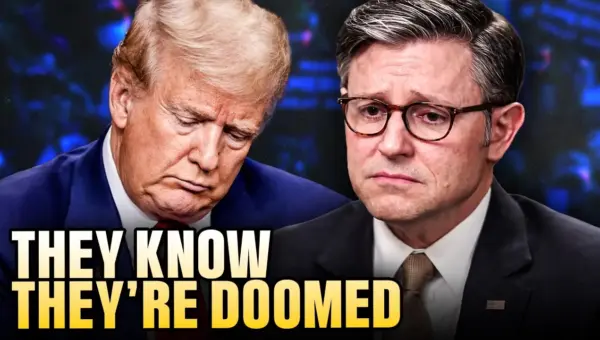
Polls Spell Doom: Republicans Face Voter Backlash
New polling data reveals a sharp decline in public confidence regarding the economic impact of Republican policies, particularly under Donald Trump. A significant majority now feel financially worse off, a trend that is especially pronounced among independent voters. This economic discontent poses a major challenge for the Republican party heading into future elections.

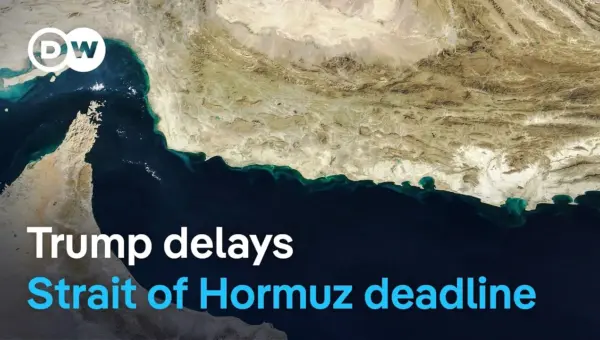
Trump Delays Iran Strike Deadline Amidst Shifting Diplomacy
President Donald Trump has extended his deadline for potential strikes on Iranian energy plants to April 6th, amid reports of U.S.-Iran diplomatic talks mediated by Pakistan. This move comes as Israel continues its strikes on Iran and the U.S. deploys additional military assets to the region. Analysts point to mixed signals, economic pressures, and strategic miscalculations as key factors shaping the evolving situation.
Iran War Claims Ring Hollow as US Troops Injured in New Attack
Days after Donald Trump claimed "we've won" the war with Iran, a new attack injured approximately a dozen U.S. troops and damaged aircraft. This incident contradicts Trump's assertions of victory and raises serious questions about the strategy and reality of the ongoing conflict.