Russia Militarizes Youth, Escalates Drone War
Russia is reportedly preparing children for war from a young age and escalating its drone attacks on Ukraine. Meanwhile, drones have breached EU airspace, raising security concerns. Despite rising oil revenues, Russia faces internal economic challenges including unemployment and labor shortages.

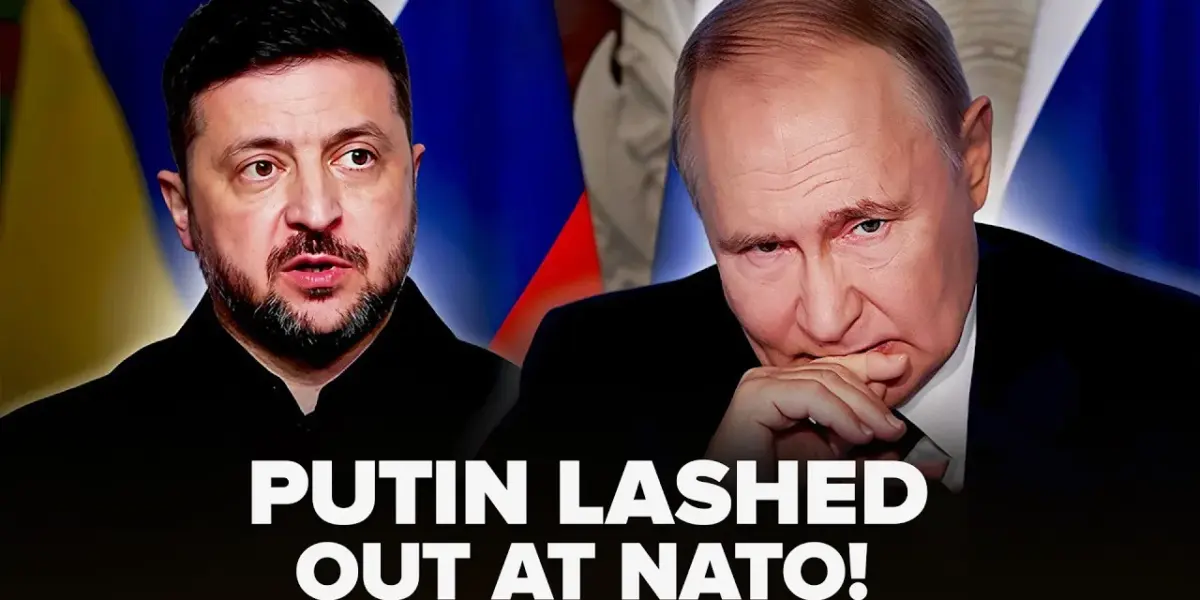
Russia Militarizes Youth, Escalates Drone War
Russia is reportedly engaging in a systematic effort to militarize its youth, introducing children to military concepts and equipment from a very young age. This includes showing drones to children in kindergartens and teaching them about their supposed purpose. Officials describe these as educational meetings, but critics argue this is a deliberate attempt to normalize war and military service. The Ukraine Center for Countering DisDisinformation states this practice aims to create a generation that views the army as heroic and accepts war as a normal part of life.
This early-age militarization occurs as Russia is also preparing to increase its use of Shahed drones against Ukraine. The plan is to launch these drones around the clock, a strategy reportedly developed since last year. While Russia has been building resources for these intensified attacks, it still struggles to maintain a consistent launch pace. These actions suggest Russia’s continued intent to target Ukraine’s rear areas and potentially develop its defense industry to challenge European air defenses.
Drones Breach EU Airspace
The use of drones has extended beyond Ukraine’s borders, with several incidents reported in European Union airspace. On March 25th, a drone originating from Russian airspace reportedly hit a power plant in Estonia. While no one was injured and damage was minimal, the incident triggered an emergency government meeting and an investigation by Estonian security police. The drone entered Estonian airspace from Russia, and authorities are working to understand the exact circumstances, though there’s no indication Estonia was the specific target.
A similar event occurred in Latvia, where a drone entered the country from Russian territory near the border. Military forces were placed on high alert, and parts of the drone were found on the ground. Fortunately, no injuries or significant damage were reported. Earlier, in Lithuania, a drone likely from Belarus exploded over a lake, not detected by radar. Initially suspected to be a Ukrainian drone that went off course, Lithuania’s prime minister later confirmed it was a Ukrainian drone targeting a Russian port.
Peace Talks Stalled, Russia’s Economy Under Strain
Despite claims by figures like Donald Trump that a peace deal between Russia and Ukraine is close, Ukrainian President Volodymyr Zelenskyy asserts there has been no progress. Zelenskyy stated that Russia shows no willingness to negotiate, citing recent widespread strikes across Ukrainian cities as evidence of Moscow’s continued intent to wage war. He believes that without increased pressure and significant Russian losses, Russia will not seriously consider peace.
President Zelenskyy also criticized decisions that he feels encourage Russia to continue fighting, specifically mentioning the U.S. decision to ease sanctions. He noted that Russia has earned approximately $2 billion in recent weeks, with oil export revenues returning to levels seen in March 2022. This increase is linked to sanctions relief and rising global energy prices. However, despite these rising oil revenues, Russia faces internal economic challenges, including growing unemployment and labor shortages.
Job offers in Russia have dropped, while the number of job seekers has increased. Major companies are reportedly cutting staff, and many are facing financial difficulties. Analysts suggest a structural shift is occurring, with labor moving towards the defense industry at the expense of civilian sectors. This has led to a demand for side jobs and a reliance on migrant workers, including those from Sri Lanka. However, even these foreign workers are reportedly facing issues with delayed wage payments, potentially impacting future labor inflows.
Strategic Implications
Russia’s early-age militarization efforts suggest a long-term strategy to cultivate a population accustomed to and supportive of military action. This aims to ensure a steady supply of recruits for its armed forces and normalize its ongoing conflicts. The intensified drone attacks signal a continued effort to degrade Ukraine’s infrastructure and morale, while also testing the capabilities of European air defenses. The breaches into EU airspace, even if accidental, demonstrate the potential for escalation and the challenges of airspace security in the region.
Economically, while Russia benefits from higher oil prices, the underlying issues of unemployment and labor shortages point to structural weaknesses. The shift of resources and labor towards the defense sector, while boosting military production, may hinder long-term economic growth and civilian industry. The reliance on foreign labor, coupled with payment issues, highlights potential instability in meeting domestic workforce needs. These internal pressures, combined with external military pressure, present a complex picture of Russia’s current state and future trajectory.
Source: ⚡️Putin issued an ultimatum on war! Zelenskyy responded sharply. Russia cannot hide its failure (YouTube)

Related Articles

G7 Allies Clash Over Iran War Strategy, Urge Focus on Russia
G7 foreign ministers met in Paris, revealing deep divisions over the U.S. war with Iran. European allies urged the U.S. to pressure Russia, linking its actions to the conflict and fearing support for Ukraine will wane.

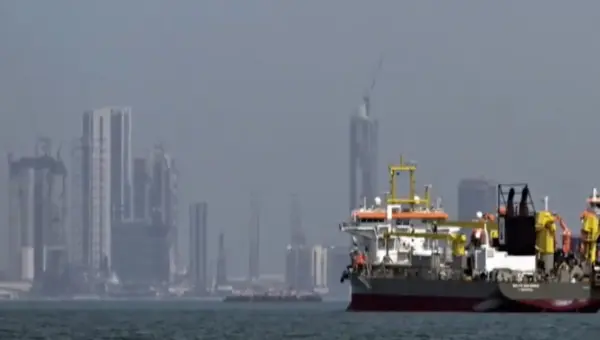
Iran Blocks China Ships, Exposing Beijing’s Weak Grip
Iran's recent decision to block Chinese ships at the Strait of Hormuz is exposing the limits of Beijing's influence in the Middle East. This action is causing delays and cancellations for Chinese manufacturers, turning a perceived geopolitical win into an economic strain.
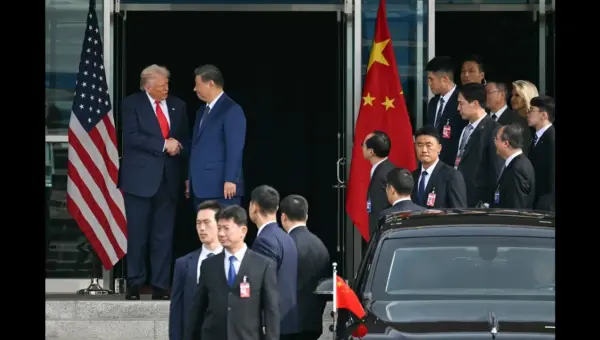
Trump’s “Walk Away” Tactic Signals Tougher Stance on China
Retired Air Force Brigadier General David Stillwell believes President Trump's strategy of being willing to walk away from negotiations puts pressure on China. This tactic, combined with US global actions and strengthened alliances, signals a more assertive American foreign policy.