Iran Threatens New Shipping Routes Amid Tensions
Iran is reportedly threatening to disrupt global shipping through new routes beyond the Strait of Hormuz, potentially targeting the Bab el-Mandeb Strait. This escalation could have severe economic consequences worldwide. Meanwhile, complex negotiations are underway, with Iran and the U.S. presenting significantly different demands, highlighting a challenging path to de-escalation.

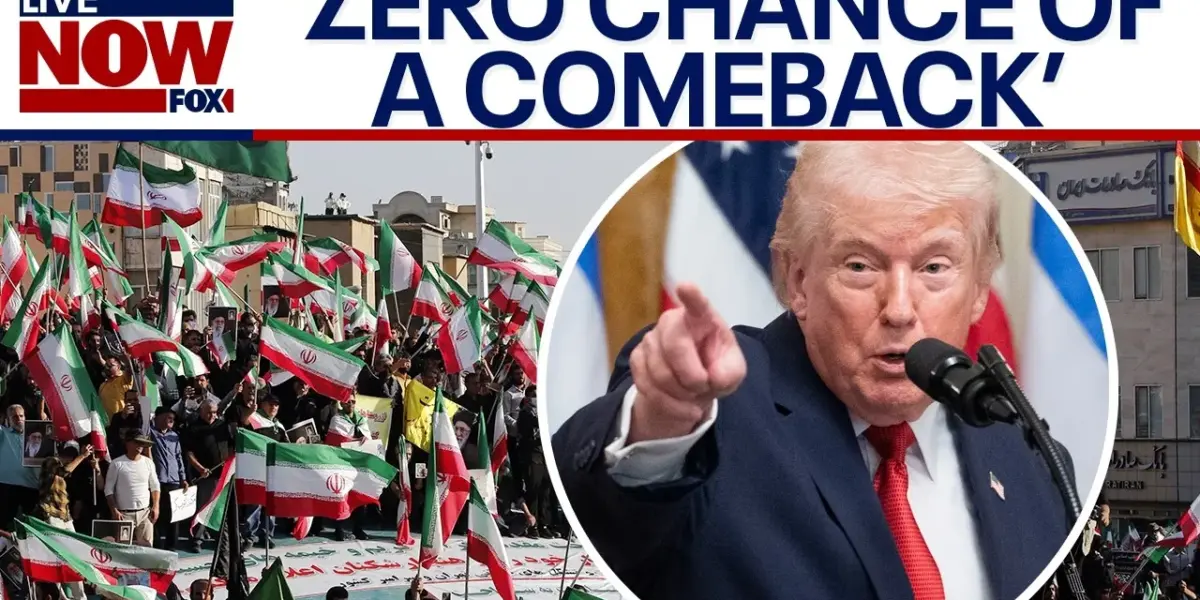
Iran Escalates Tensions with Threat of New Shipping Disruptions
In a significant development in the Middle East, Iran has reportedly issued veiled threats to disrupt global shipping through new, strategic waterways beyond the Strait of Hormuz. This move, detailed in a recent Politico report, suggests Iran is leveraging its proxies and regional influence to apply further pressure amid ongoing international tensions. The potential targeting of the Bab el-Mandeb Strait, a critical chokepoint leading to the Red Sea, could have far-reaching economic consequences, impacting global trade routes that carry a substantial portion of the world’s commerce.
Strait of Hormuz: A Familiar Chokepoint
For weeks, the focus has been on the Strait of Hormuz, a narrow waterway through which approximately 25% of the world’s oil and natural gas exports flow. Iran’s strategic control over this passage has long been a point of concern for international powers. The potential for disruption here has historically led to increased oil prices and global economic alerts. This established threat has been a primary concern for global markets and policymakers.
Bab el-Mandeb Strait: A New Area of Concern
The latest Iranian threats pivot towards the Bab el-Mandeb Strait, located south of the Red Sea. This waterway, while not handling the same volume of oil as Hormuz, is crucial for about 10-12% of global commerce. It serves as a vital artery for goods traveling between Asia and Europe. The Houthis, a close Iranian proxy group controlling territory along this strait, have previously demonstrated their capability to disrupt shipping. Their involvement in past disruptions led to international intervention and a ceasefire agreement.
Iran’s Strategic Leverage and Proxy Power
Experts suggest Iran’s strategy involves demonstrating that it possesses multiple avenues for escalation. By hinting at actions through the Bab el-Mandeb, Iran implies it can complicate matters beyond direct confrontation. This also serves as a potential bargaining chip in negotiations. Professor Alone Burstein, host of the Israel Palestine Report, notes that Iran’s actions could allow proxies to act independently, even if a deal is struck between Iran and the U.S. This complicates the diplomatic landscape significantly.
“Iran is not only showing that they still have cards up their sleeves with regards to how they can escalate. They’re implying that they still have cards that will be more complicated.”
Economic Repercussions of New Disruptions
A simultaneous disruption of both the Strait of Hormuz and the Bab el-Mandeb Strait would likely cause a sharp increase in oil prices, potentially leading to market instability. Europe would be particularly affected, with ripple effects felt quickly in the United States. The interconnectedness of global trade means that any significant blockage in these key waterways would have widespread economic impacts.
Complex Negotiation Dynamics
Amidst these threats, diplomatic efforts appear to be in a delicate phase. Former President Donald Trump has indicated ongoing, positive negotiations with Iran, even extending a deadline for potential energy plant destruction. However, reports from Pakistan and Saudi Arabia suggest Iran’s demands are significantly different from what the U.S. has proposed. Iran’s terms reportedly include an end to all attacks, reparations for past actions, and recognition of its sovereignty over the Strait of Hormuz, demanding it be treated like the Suez Canal.
Divergent Negotiating Positions
The U.S. proposal, reportedly a 15-point plan, focuses on Iran halting its nuclear program, limiting ballistic missiles, and removing enriched uranium. In return, the U.S. offers sanctions relief and civilian nuclear program assistance. However, Iran views these terms as insufficient, presenting its own agenda that seeks to gain concessions and leverage from the current situation. This stark difference in positions highlights the complexity of reaching a resolution.
The Role of Proxies and Unclear Definitions of Victory
The involvement of proxies like the Houthis adds another layer of complexity. Professor Burstein points out that in modern warfare, clear definitions of victory are rare. Wars often end in political settlements rather than total conquest. Both sides are likely to claim victory regardless of the outcome, making it difficult to assess the true success of any military or diplomatic action. The internal situation in Iran, including the lack of widespread civilian uprisings despite U.S. and Israeli hopes, is attributed to the prior suppression of protests and the ongoing security apparatus’s steadfastness.
What Lies Ahead
As tensions remain high, the international community will be closely watching diplomatic channels and any further actions taken by Iran or its proxies. The potential for economic disruption remains a significant concern, underscoring the need for de-escalation and a clear path toward resolving the underlying conflicts in the region.
Source: Middle East latest: Trump tells Iran to ‘get serious’ on negotiations (YouTube)

Related Articles

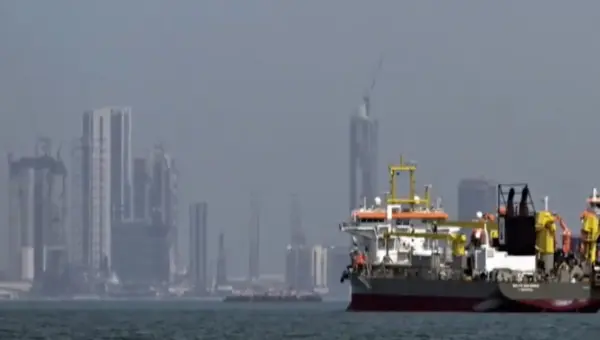
Iran Blocks China Ships, Exposing Beijing’s Weak Grip
Iran's recent decision to block Chinese ships at the Strait of Hormuz is exposing the limits of Beijing's influence in the Middle East. This action is causing delays and cancellations for Chinese manufacturers, turning a perceived geopolitical win into an economic strain.
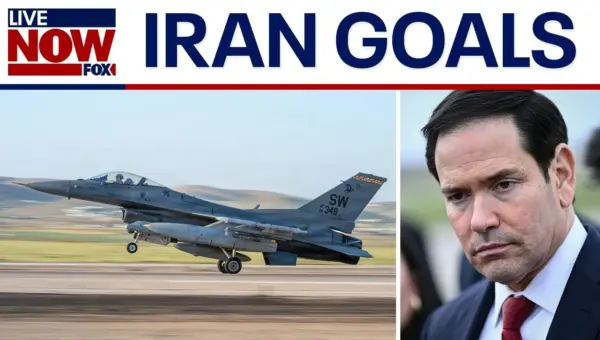
Rubio: US Can Achieve Iran War Goals Without Troops
Senator Marco Rubio outlined a strategy to counter Iran without deploying U.S. ground troops, focusing on weakening the regime and enhancing maritime security. He also criticized Cuba's economic system and expressed concerns about West Bank violence.


Israel Escalates Iran Strikes, Warns of Wider War
Israel has launched significant strikes inside Iran following continued missile fire, warning of further escalation. The conflict risks wider regional instability and economic disruption, especially concerning the Strait of Hormuz.