Pentagon Ignores Judge, Barring Press in Contempt Claim
The Pentagon has issued new rules restricting press access, potentially defying a federal judge's order and facing contempt charges. These rules redefine press freedom as a privilege, not a right, and limit journalists' ability to gather information. The situation is a critical test for First Amendment protections.

Pentagon Ignores Judge, Barring Press in Contempt Claim
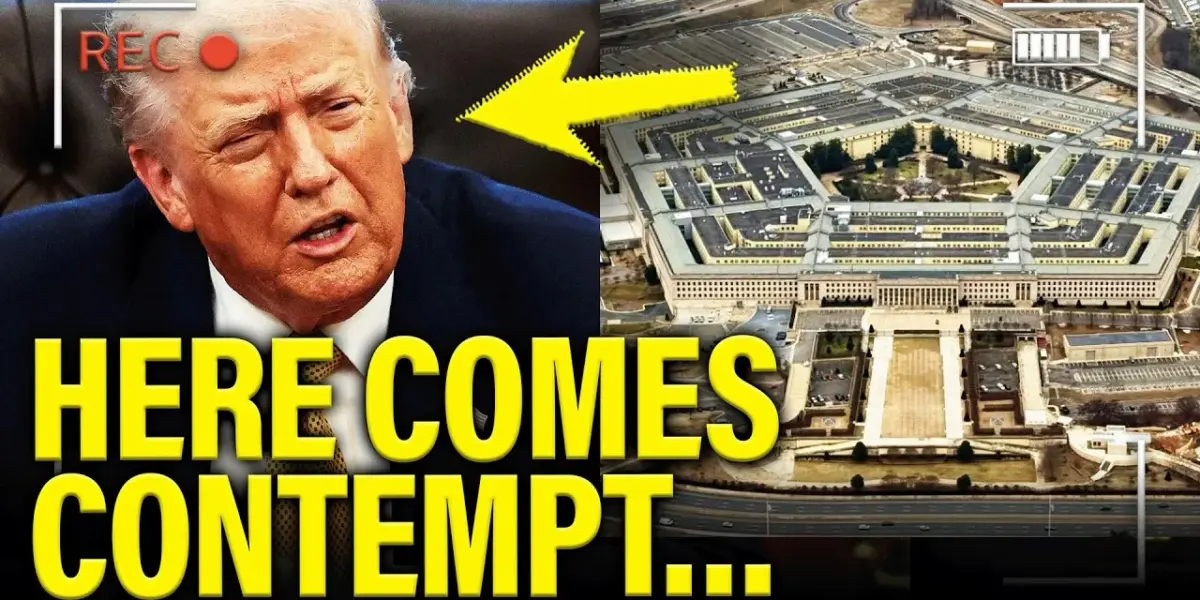
The Pentagon appears to be defying a federal judge’s order. This move could put them in contempt of court. New rules have been issued that continue to block the free press from working inside the Pentagon. They are also being prevented from reporting on the Department of Defense. This is especially important during wartime. The public needs to hear the real story from trusted news sources.
Last week, Judge Friedman ruled that some parts of the Pentagon’s policy were invalid. This policy had banned press members unless they agreed that their freedom to report was a privilege, not a constitutional right. It also demanded they get approval before using any information from Pentagon sources. Judge Friedman disagreed with this approach. He cited the principles of our First Amendment, which protects freedom of the press.
Pentagon’s Response: A New Set of Restrictions
In response to the judge’s order, the Pentagon has taken a different path. They have effectively removed the entire press corps from their main building. Reporters are now directed to an annex location. This annex is reportedly still under construction. The Pentagon is also continuing to insist that press members acknowledge freedom of the press as a privilege, not a right. They are also requiring journalists to take a new oath before getting their credentials.
Leading these efforts is Tim Parlatore. He is a former criminal defense lawyer for Donald Trump. He is now working with Secretary of Defense Pete Hagans. This situation is expected to come to a head soon. Judge Friedman has requested a status report. The New York Times is reportedly unhappy with the Pentagon’s actions. They argue that the new policy is just as unconstitutional as the old one.
Judge Friedman’s Stance on the First Amendment
In his previous order, Judge Friedman emphasized the importance of the First Amendment. He stated that its main goal is to let the press publish freely and the public read what they choose, without government control. He believes this protection has served the nation for nearly 250 years and should not be discarded. The independent press needs to be able to ask questions, speak with sources, and gather information.
This new rule applies to non-classified information as well. The Pentagon wants to control all information tightly. This is seen as an attempt to limit the press’s ability to do its job. When the original policy was issued, about 50 members of the press, including those from The New York Times, turned in their credentials rather than sign the oath. They left the building in protest.
The Lawsuit and New Press Corps Members
The lawsuit aimed to get these journalists back into the Pentagon. It also sought to remove the new press corps members appointed under the Trump administration. These individuals are described as right-wing activists and social media influencers. Examples mentioned include Laura Loomer and Matt Gaetz. Their inclusion in the press corps has raised questions about the legitimacy of their reporting and access.
The transcript includes clips of Matt Gaetz and Laura Loomer asking questions at the Pentagon. Gaetz asked about the Department of Defense’s role in a post-Maduro Venezuela. Laura Loomer inquired about the sale of F-15 fighter jets to Qatar. The responses from Pentagon officials highlighted contingency planning and ongoing partnerships, while emphasizing national security concerns.
Pentagon’s New Policy: A Violation of the Judge’s Order?
The judge’s previous order aimed to get legitimate, independent media back into the Pentagon. The Pentagon’s new policy, however, seems to circumvent this. They have replaced a one-page policy with an 18-page document. This new document reiterates that members of the news media do not have a legal right to access the Pentagon. Instead, access is considered a privilege granted by the government.
This statement directly contradicts the First Amendment’s protection of freedom of the press. The policy aims to control the press’s ability to gather information, including meeting with officials and developing sources. This is seen as a violation of the spirit, if not the letter, of the judge’s order. The Pentagon is essentially pushing the press out of the main building into a temporary location.
The Future Outlook and Legal Challenges
The situation is still developing. The judge is expected to review the Pentagon’s status report and potentially address a motion for contempt filed by The New York Times. The judge previously ended his order by stressing the importance of openness and transparency. He noted that the public has a right to know what their government is doing, especially during times of war and upheaval. This is the core purpose of the First Amendment.
The current memo, reportedly influenced by former Trump lawyer Tim Parlatore, is unlikely to withstand legal scrutiny. It is expected to be challenged in court. Legal experts believe it will not pass muster under the First Amendment. If it reaches higher courts, including the Supreme Court, it is likely to be overturned. The history of press access to government buildings has seen similar battles, with independent journalists eventually regaining their access.
This case highlights a broader tension between government efforts to control information and the public’s right to know. The outcome will have significant implications for the future of press access to government institutions and the role of independent journalism in a democracy.
Source: Trump WH Faces CONTEMPT after IGNORING ORDER?! (YouTube)

Related Articles

Pentagon Chief Blocks Black, Female Officers’ Promotions
Pentagon chief Pete Hegseth is reportedly blocking the promotions of four Army officers, two Black and two women, to one-star general. This decision follows reports of alleged discriminatory remarks made by a top aide to Secretary Hegseth regarding President Trump's comfort standing with Black female officers.


Jane Fonda Warns of ‘Existential Crisis’ Amid Protests
Jane Fonda has issued a stern warning about widespread attacks on the First Amendment, urging Americans to defend their freedoms. The veteran activist highlighted the growing number of large-scale protests as a sign of public concern and a crucial opportunity to address both democratic erosion and the climate crisis.
House Republicans Reject Senate Deal, Sparking Government Funding Clash
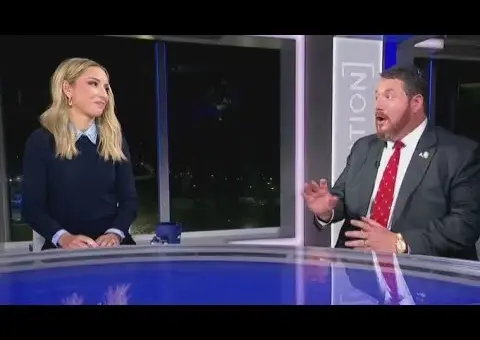
House Republicans have rejected a Senate bill to end the government shutdown, citing insufficient border security measures. Congressman Randy Fine called the Senate deal a "disgrace" and highlighted the ongoing fight for full government funding. President Trump's executive order to pay TSA agents offers temporary relief, but the core disagreement over border security continues to paralyze Washington.