Iran’s Regime Faces Pressure as Allies Unite
A growing coalition of nations, including Israel and Middle Eastern allies, is increasing pressure on Iran. The regime faces internal struggles and declining military capabilities, yet continues to threaten global oil shipping routes. This united front signals a strong international resolve to counter Iran's actions.


Global Coalition Ramps Up Pressure on Tehran
A growing international front, including Israel and several Middle Eastern nations, is signaling a readiness to confront Iran’s aggressive actions. This united stance comes as Iran faces internal struggles and its military capabilities appear increasingly strained.
Iran’s Military Weakness Exposed
Recent actions suggest Iran’s military might is not what it once was. The leader overseeing the Strait of Hormuz, a critical global oil route, was reportedly killed in an airstrike. This is significant because Iran’s air force is described as weak, and its missile and drone supplies are dwindling. They are reportedly shooting these off without much strategic aim.
Furthermore, Iran’s Islamic Revolutionary Guard Corps (IRGC) has lowered the age of mandatory military service for males to 12 and 13 years old. This move is seen by analysts as a sign of desperation, indicating the regime is severely beaten and struggling to recruit soldiers.
Threats to Global Shipping Continue
Despite its apparent weaknesses, Iran continues to threaten vital global shipping lanes. Beyond the Strait of Hormuz, Iran is also signaling potential disruption to the Red Sea route, another crucial waterway connecting to the Gulf of Aden. These threats highlight Iran’s ongoing efforts to disrupt international trade and energy supplies.
US and Allies Signal Stronger Stance
The United States, under President Trump, has taken a firm stance against Iran. The administration’s actions, including the firing of regional missiles, have reportedly demonstrated the limits of Iran’s long-range missile capabilities. These actions, which were capable of traveling 4,000 kilometers, put European allies like Britain, France, and Germany in potential harm’s way, prompting increased seriousness from NATO and the European Union.
This firmness has built a coalition of support, with Middle Eastern nations joining the U.S. and Israel. This broad support suggests a shared concern over Iran’s actions and a willingness to act. Analysts believe Iran has been misleading other nations about its intentions and capabilities, particularly regarding its nuclear program. They had stated they would not give up their nuclear program, calling negotiations on this point a non-starter.
Implications for Global Stability
The current situation suggests Iran is in its “last dying regime.” Its leaders are described as “unbelievably beaten.” With air superiority held by its adversaries and its own military resources depleted, Iran’s ability to mount significant military challenges is questioned. Some suggest it would be better for Iran to cease its resistance altogether.
The coordinated efforts by the U.S., Israel, and regional allies signal a potential shift in how Iran’s destabilizing activities are handled. The transparency and surgical nature of some actions have aimed to expose Iran’s true intentions. The focus is on preventing Iran from acquiring nuclear weapons, a goal that has driven much of the current international pressure.
Market Impact
The ongoing tensions in the Middle East, particularly concerning Iran’s threats to global oil shipping routes like the Strait of Hormuz and the Red Sea, can significantly impact energy markets. Any actual disruption to these vital passages could lead to a sharp rise in oil prices. Investors often react to geopolitical instability by seeking safe-haven assets, such as gold, while potentially reducing exposure to equities in regions directly affected by conflict.
What Investors Should Know
The increasing international pressure on Iran and its apparent military weaknesses suggest a potential de-escalation of direct conflict, but the threat to oil supplies remains a key concern. Investors should monitor developments in the Strait of Hormuz and the Red Sea closely, as any disruption could create volatility in energy prices and broader financial markets. The unified front of U.S., Israeli, and Middle Eastern nations indicates a determined effort to curb Iran’s influence, which could lead to a more stable geopolitical environment in the long term if successful.
Iran’s Internal Struggles Fuel External Pressure
The internal state of Iran appears to be a major factor in the current geopolitical landscape. The regime’s perceived weakness is fueling a stronger, more unified response from international powers. This combination of internal vulnerability and external resolve suggests a critical juncture for Iran.
Source: Dana Loesch: This is the last gasp of a dying regime (YouTube)

Related Articles

G7 Allies Clash Over Iran War Strategy, Urge Focus on Russia
G7 foreign ministers met in Paris, revealing deep divisions over the U.S. war with Iran. European allies urged the U.S. to pressure Russia, linking its actions to the conflict and fearing support for Ukraine will wane.
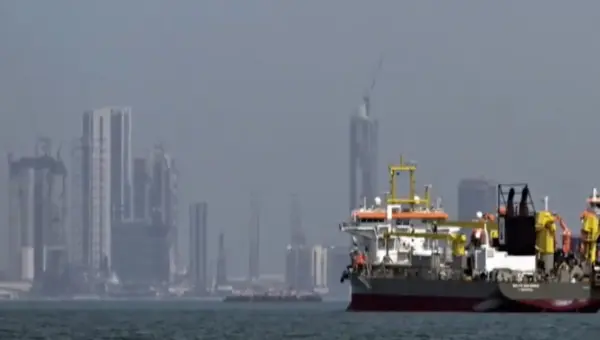
Iran Blocks China Ships, Exposing Beijing’s Weak Grip
Iran's recent decision to block Chinese ships at the Strait of Hormuz is exposing the limits of Beijing's influence in the Middle East. This action is causing delays and cancellations for Chinese manufacturers, turning a perceived geopolitical win into an economic strain.
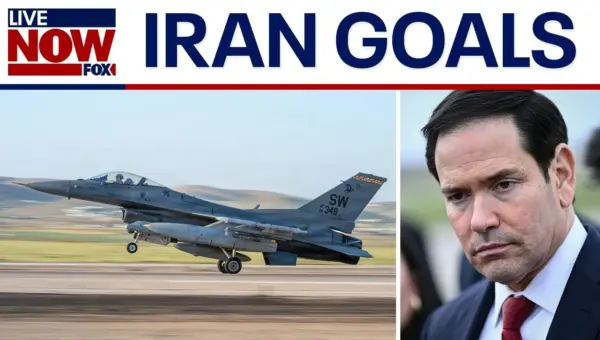
Rubio: US Can Achieve Iran War Goals Without Troops
Senator Marco Rubio outlined a strategy to counter Iran without deploying U.S. ground troops, focusing on weakening the regime and enhancing maritime security. He also criticized Cuba's economic system and expressed concerns about West Bank violence.