Stocks Plunge Amid Iran Tensions, Oil Spikes
U.S. stocks suffered their biggest loss since the war in Iran began, driven by rising oil prices and fears over the conflict's duration. The Nasdaq entered correction territory as the White House extended a deadline for Iran to reopen the Strait of Hormuz, while internal divisions surface within the Republican party over the strategy.

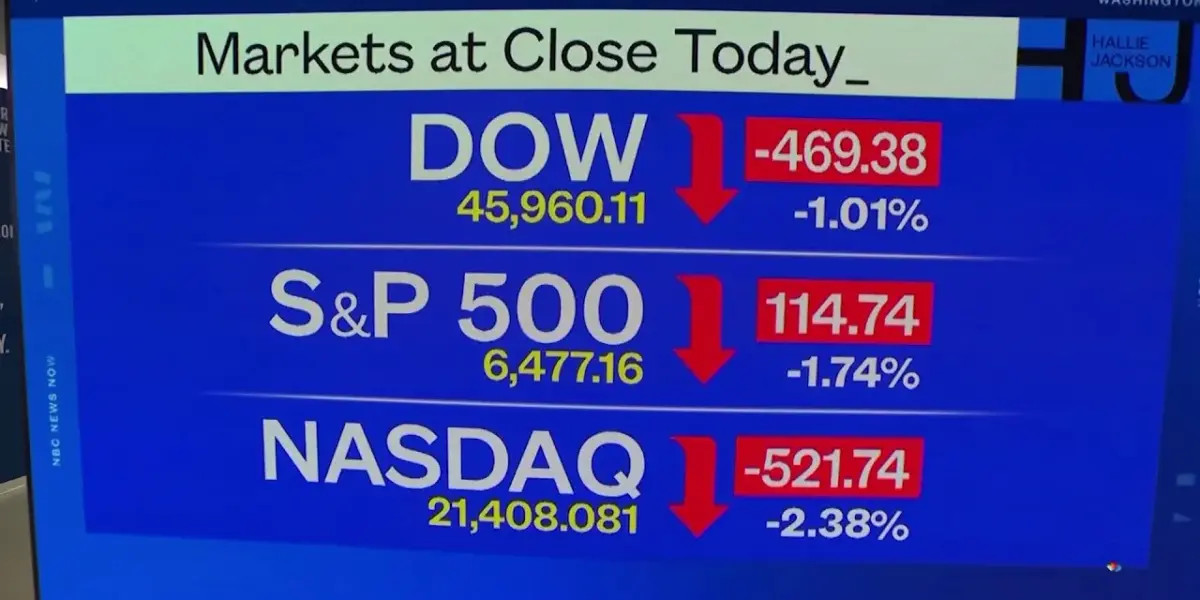
Markets Reel as Iran Conflict Escalates
U.S. stocks experienced their sharpest decline since the war in Iran began, with major indexes falling significantly. The tech-focused Nasdaq composite entered correction territory, dropping 10% from its recent peak. This market turmoil is directly linked to soaring oil prices and growing uncertainty about the duration of the conflict with Iran.
White House Extends Iran Deadline Amid Shifting Diplomacy
Presidential administration officials announced an extension of the deadline for Iran to reopen the Strait of Hormuz. The original deadline, set to expire tomorrow, has been pushed back to April 6th, with possibilities of further indefinite delays. This diplomatic move occurs alongside dual-track negotiations, as described by Special Envoy Steve Witkoff. Simultaneously, the President and the Defense Secretary are reinforcing military assets and personnel in the region, raising questions about whether tensions are de-escalating or intensifying.
“The reason they want to make a deal is they have been just beat to.”
Despite these diplomatic efforts, Iran’s Parliament Speaker has voiced strong opposition to the negotiation structure. He stated that no ultimatums can be imposed on Iran and described the situation as a “vicious cycle of war, ceasefire, war.” This suggests a fundamental disagreement on the terms of engagement, with Iranian leadership appearing to dismiss U.S. claims that they are seeking a deal.
Republican Party Divided Over Iran Strategy
Tensions are also surfacing within the Republican party regarding the administration’s approach to the Iran conflict. Closed-door briefings for House Armed Services Committee members revealed frustration among both Republicans and Democrats. Sources indicate that lawmakers feel they are not receiving a complete picture of the strategy. A significant concern is the potential for deploying U.S. troops on the ground in Iran, a possibility that has drawn strong opposition from some within the party, including Republican Congresswoman Nancy Mace.
Concerns Over Boots on the Ground
Sources close to the briefings told NBC News that many lawmakers are deeply concerned about the prospect of sending combat troops into Iran. Representative Mace publicly stated her opposition to such a deployment, emphasizing that the idea of sending “boots on the ground” remains a possibility being considered by the administration.
Iran Controls Strait of Hormuz, Imposes Tariffs
On the ground in Tel Aviv, reports indicate that Iran is actively controlling passage through the Strait of Hormuz. Ships attempting to transit the vital waterway are reportedly being charged fees, a practice dubbed the “Tehran Tollbooth” by industry insiders. This move demonstrates Iran’s significant control over the strait, allowing them to not only generate revenue but also to regulate which vessels can pass. Approximately two dozen ships have paid these tariffs to transit since the conflict began approximately a month ago.
“This really just goes to show that not only are they able to block passage through the Strait of Hormuz, but they’re so in control of them.”
This strategy allows Iran to exert influence and control during wartime, dictating terms of access. The ability to levy these charges underscores the strategic importance of the Strait of Hormuz and Iran’s capacity to disrupt global shipping. The practice is expected to continue as Iran seeks to maximize its leverage.
Joint U.S.-Israel Operations Target Iranian Leadership
In a coordinated effort, the United States and Israel have been conducting operations targeting strategic sites and leadership within Iran. While U.S. efforts have focused on military installations, Israel has reportedly concentrated on eliminating key figures. Recent reports suggest Israel has killed Iran’s Navy Chief. This action is believed to be linked to the U.S. priority of reopening the Strait of Hormuz, with the slain commander identified as instrumental in blocking the waterway.
Uncertainty on Impact of Leadership Strikes
The effectiveness of eliminating Iranian leadership in achieving the goal of unblocking the Strait of Hormuz remains unclear. While the U.S. reportedly saw this as progress towards opening the passage, the long-term impact on Iran’s actions and the overall conflict is yet to be determined.
Looking Ahead
As the April 6th deadline approaches, global markets and international observers will be closely watching diplomatic developments and military postures. The response from Iran to the extended deadline and the ongoing tension surrounding the Strait of Hormuz will be critical factors influencing future market movements and the trajectory of the conflict.
Source: U.S. stocks suffer biggest loss since the war with Iran started (YouTube)

Related Articles

China Fights Back: Tariffs Loom Ahead of Trump Visit
China is retaliating against US trade investigations that could lead to higher tariffs. This escalating trade tension occurs just before a planned visit by President Trump. The dispute involves accusations of unfair practices and impacts global supply chains.


Israelis Forge Resilience Amidst Constant Bomb Shelter Drills
Life in Israel is a blend of resilience and constant vigilance, with many families adapting to frequent bomb shelter drills and even sleeping in makeshift shelters. Despite ongoing missile attacks, Israelis strive to maintain normalcy, though businesses face disruption and emotional fatigue is a growing concern.


Israel Escalates Iran Strikes, Warns of Wider War
Israel has launched significant strikes inside Iran following continued missile fire, warning of further escalation. The conflict risks wider regional instability and economic disruption, especially concerning the Strait of Hormuz.