China Erupts: Residents Revolt Over Fees, Crematoriums, and Seized Assets
Residents in multiple Chinese cities are protesting government actions, from new parking fees in Wuhan to a planned crematorium in Guangdong. Meanwhile, authorities are intensifying pressure on house church Christians, revoking licenses of lawyers who defend religious freedom. These events highlight growing public frustration and government control.

China Erupts: Residents Revolt Over Fees, Crematoriums, and Seized Assets
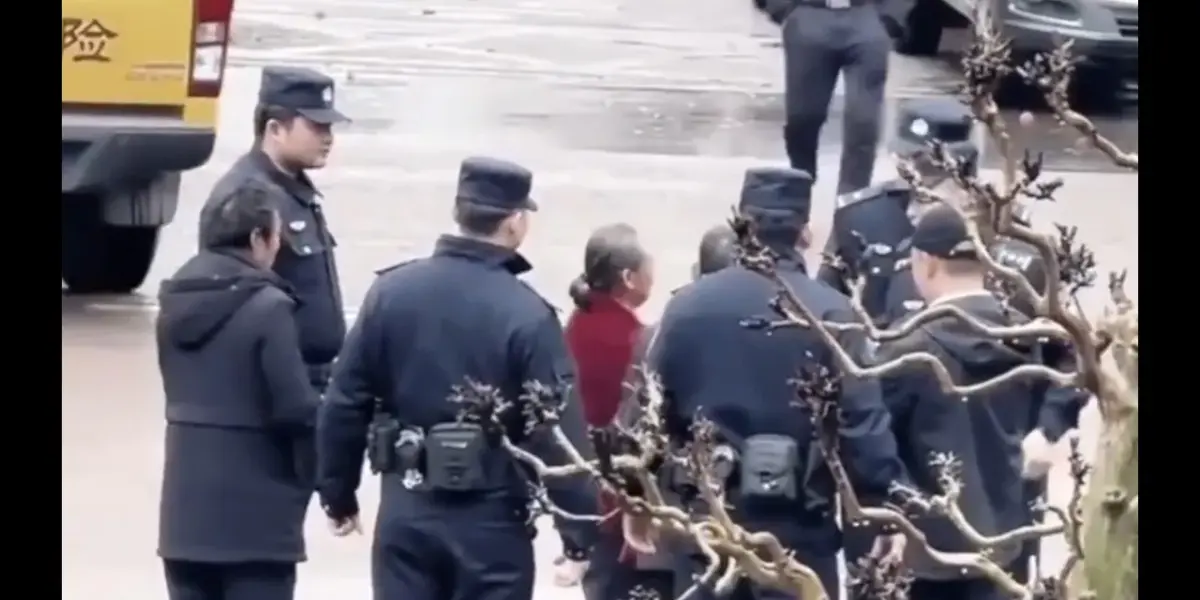
China is seeing a wave of public anger spill onto the streets. From Wuhan to Guangdong, citizens are protesting government decisions that impact their daily lives. These aren’t isolated incidents; they show a growing frustration with local authorities. The protests highlight a tension between the government’s plans and the concerns of ordinary people.
Parking Fees Spark Outrage in Wuhan
In Wuhan, over a thousand residents took to the streets to fight new parking fees. They tore down payment barriers, showing their strong opposition. The protests started small last week but grew larger on Tuesday. Some older residents got into a dispute with fee collectors, which drew more people to join the demonstration. This shows how local issues can quickly become major public events.
Crematorium Fears Drive Protests in Guangdong
Southern China’s Guangdong province also saw mass protests on Wednesday. Residents there are angry about plans to build a crematorium. The proposed site is less than a mile from their homes and a vital water reserve. People worry about safety and the impact on their drinking water. Initially, officials tried to hide the real purpose of the project, calling it a road. However, the truth eventually came out, fueling the residents’ distrust and anger.
Crackdown on Religious Freedom Continues
Beyond these community-level disputes, China’s government is also increasing pressure on religious groups. A Christian lawyer in Beijing had his license taken away last week. Li Xiaoing is part of a house church, which is a religious group not officially approved by the state. These churches do not accept the Communist Party’s control. Li has spent years defending Christians facing problems with authorities. He reports that at least seven other Christian lawyers have lost their licenses for standing up for religious freedom.
Business Owner Cries Foul Over Seized Assets
In Tongqing, a business owner publicly shouted about injustice outside a local court. He claims the government took his assets illegally. This incident adds another layer to the growing public discontent, showing that people from different walks of life are feeling wronged by government actions.
Why This Matters
These protests, though varied in their causes, reveal a common thread of citizen dissatisfaction. When people feel their safety, property, or freedoms are threatened, they are increasingly willing to speak out. The government’s attempts to control information, like initially misrepresenting the crematorium project, often backfire. They can lead to greater distrust and more determined opposition. The crackdown on Christian lawyers also signals a continued effort to limit independent voices and ensure state control over all aspects of society, including religious practice.
Historical Context and Trends
China has a long history of both public protests and government crackdowns. In recent decades, economic growth has created a larger middle class with more resources and awareness. This has sometimes led to increased demands for local accountability. However, the Communist Party maintains a tight grip on power, often responding to dissent with swift suppression. The current protests echo earlier movements where citizens organized around specific local grievances, like environmental concerns or property rights. The targeting of religious groups and lawyers shows a pattern of trying to eliminate potential challenges to the Party’s authority.
Implications and Future Outlook
The ongoing protests suggest that local governments may need to be more responsive to public concerns to avoid wider unrest. The government faces a challenge in balancing its development goals with the rights and well-being of its citizens. If these kinds of local disputes are not addressed fairly, they could potentially grow and connect, creating broader social instability. The suppression of religious freedom and legal advocacy points to a future where the state seeks even greater control over civil society. This could lead to more friction between the government and those who seek to express dissent or practice their faith freely.
Source: Mass Protests Continue in China (YouTube)

Related Articles
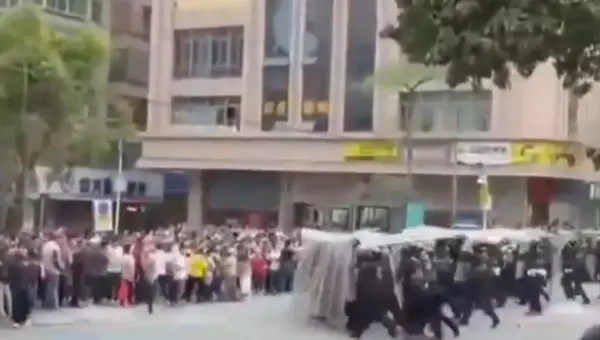
Villagers Fight Back: China Crematorium Sparks Fierce Protest
Hundreds of villagers in Guangdong, China, clashed with police for three days over the construction of a crematorium. Residents claim authorities misled them about the project's true nature, sparking fears for their health and environment. The conflict highlights growing public willingness to protest perceived injustices.

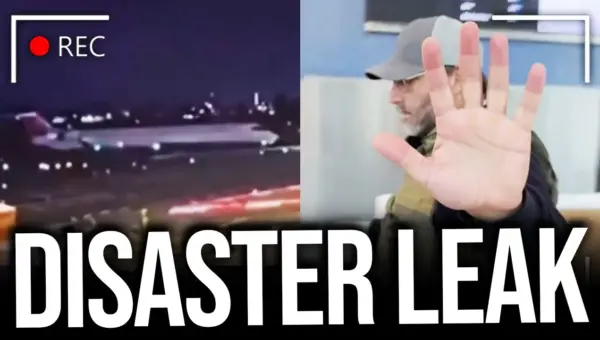
ICE Agents Flee Public View Amid Airport Chaos
Leaked footage shows ICE agents actively avoiding citizens and journalists in airports, fueling accusations of intimidation. This occurs amidst significant travel disruptions blamed on TSA funding issues. The situation raises concerns about government transparency, civil liberties, and economic impacts.


CCP Silences Dissent: Families Detail Brutal Prison Tactics
Daughters of Pastor Ezra Jyn and publisher Jimmy Lai share harrowing accounts of their fathers' imprisonment and the CCP's brutal tactics. The stories highlight severe human rights abuses, including forced labor, sleep deprivation, and isolation, aimed at suppressing religious freedom and press.