China Flees US Markets: IPOs Plummet Amidst Strict New Rules
Chinese companies are dramatically reducing their presence in US stock markets, with only two IPOs this year compared to 19 last year. New, stricter regulations from US regulators and concerns over past fraud cases are key drivers. This shift impacts both Chinese businesses seeking capital and US investors.

China Flees US Markets: IPOs Plummet Amidst Strict New Rules
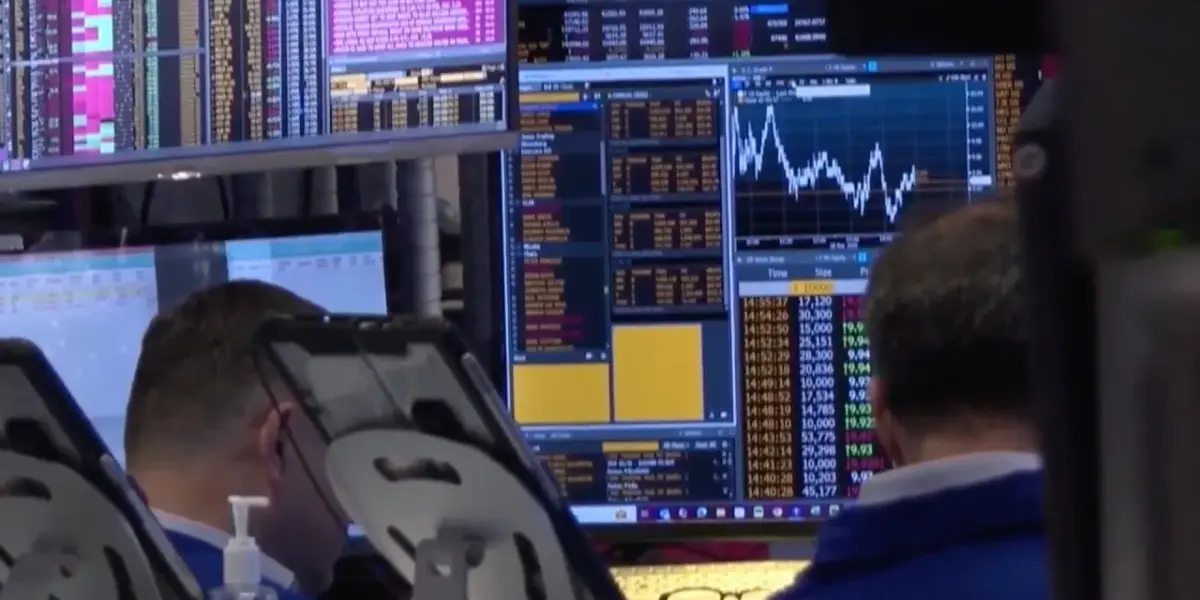
Going public in the United States used to be a major goal for many Chinese companies. It offered access to vast amounts of capital and a global stage. However, that trend has dramatically reversed. This year, a mere two Chinese firms have managed to launch their initial public offerings (IPOs) in New York. To put that in perspective, 19 Chinese companies made the same move during this period last year. This sharp drop signals a significant shift in how Chinese businesses are approaching the US stock market.
New Hurdles for Listing
The main reason behind this sudden slowdown is increased scrutiny from Washington. US regulators have made it much harder for companies, especially those from China, to list on major exchanges like NASDAQ. New rules now demand a minimum of about $15 million in publicly held shares for companies making their debut. Furthermore, Chinese companies face specific capital requirements around $25 million. Even companies with market values under $5 million could be at risk of being removed from the stock exchange.
Why the Change?
Analysts point to several factors driving this change. Past cases of fraud by some Chinese companies have shaken the confidence of US investors. This lack of trust makes it harder for new Chinese firms to attract the funding they need. Beyond these specific concerns, there’s also a broader economic slowdown in China itself. This weaker economic outlook in China likely makes US investors more cautious about putting their money into Chinese businesses.
The decline in Chinese IPOs is a clear sign that the relationship between US financial markets and Chinese companies is changing. It’s not just about money anymore; it’s about trust and regulatory alignment.
Historical Context
For years, US stock exchanges were a primary destination for Chinese companies seeking growth capital. The ability to list in the US was seen as a mark of prestige and a pathway to global recognition. Companies like Alibaba and Baidu, which are still listed in the US, are prime examples of this past success. These listings allowed them to raise billions and expand their operations internationally. However, this era of easy access seems to be drawing to a close as geopolitical and regulatory tensions rise.
Investor Confidence and Economic Factors
The issues with past fraud cases have left a lasting scar on investor sentiment. When investors lose money due to dishonest practices, they become wary of similar investments in the future. This caution is understandable and leads to higher demands for transparency and accountability. On top of this, China’s own economic challenges are a significant concern. A slowing economy at home can limit a company’s growth potential, making it a less attractive investment for those looking for high returns.
The Broader Picture
This trend isn’t happening in a vacuum. It’s part of a larger global shift where countries are reassessing their economic ties and national security interests. The US is increasingly looking at companies with ties to China through a different lens, focusing on potential risks. This means that even well-intentioned Chinese companies may find it harder to meet the stringent requirements now in place.
Why This Matters
This sharp decline in Chinese IPOs in the US has significant implications. For Chinese companies, it means they may need to seek funding elsewhere, perhaps in their home market or other international exchanges. This could slow their global expansion plans. For US investors, it means fewer opportunities to invest in some of the world’s fastest-growing tech companies. It also raises questions about the future competitiveness of US exchanges if they become less accessible to international talent. Furthermore, it reflects the growing economic and political friction between the two global superpowers.
Future Outlook
The future for Chinese companies listing in the US looks challenging in the short term. The regulatory hurdles are unlikely to disappear soon. Companies that still wish to list in the US will need to be exceptionally transparent and meet all new requirements. They might also need to demonstrate strong financial health and a clear path to profitability. It’s possible that we could see more Chinese companies choosing to list closer to home, on exchanges in Hong Kong or Shanghai. This would allow them to avoid the complex US regulatory environment. However, for major tech giants like Alibaba, maintaining their US listing status remains a priority, even with the added difficulties.
Source: China Listings in US Drop Sharply as Regulatory Rules Tighten (YouTube)

Related Articles


China Fights Back: Tariffs Loom Ahead of Trump Visit
China is retaliating against US trade investigations that could lead to higher tariffs. This escalating trade tension occurs just before a planned visit by President Trump. The dispute involves accusations of unfair practices and impacts global supply chains.


Israelis Forge Resilience Amidst Constant Bomb Shelter Drills
Life in Israel is a blend of resilience and constant vigilance, with many families adapting to frequent bomb shelter drills and even sleeping in makeshift shelters. Despite ongoing missile attacks, Israelis strive to maintain normalcy, though businesses face disruption and emotional fatigue is a growing concern.


Israel Escalates Iran Strikes, Warns of Wider War
Israel has launched significant strikes inside Iran following continued missile fire, warning of further escalation. The conflict risks wider regional instability and economic disruption, especially concerning the Strait of Hormuz.