San Francisco Drug Crisis: Policy Fuels Open Dealing
San Francisco's approach to drug addiction, known as harm reduction, is facing intense scrutiny. Critics argue that policies have enabled open drug dealing and use, leading to devastating consequences for addicts and the city. Former addicts highlight the lack of accountability in current programs.

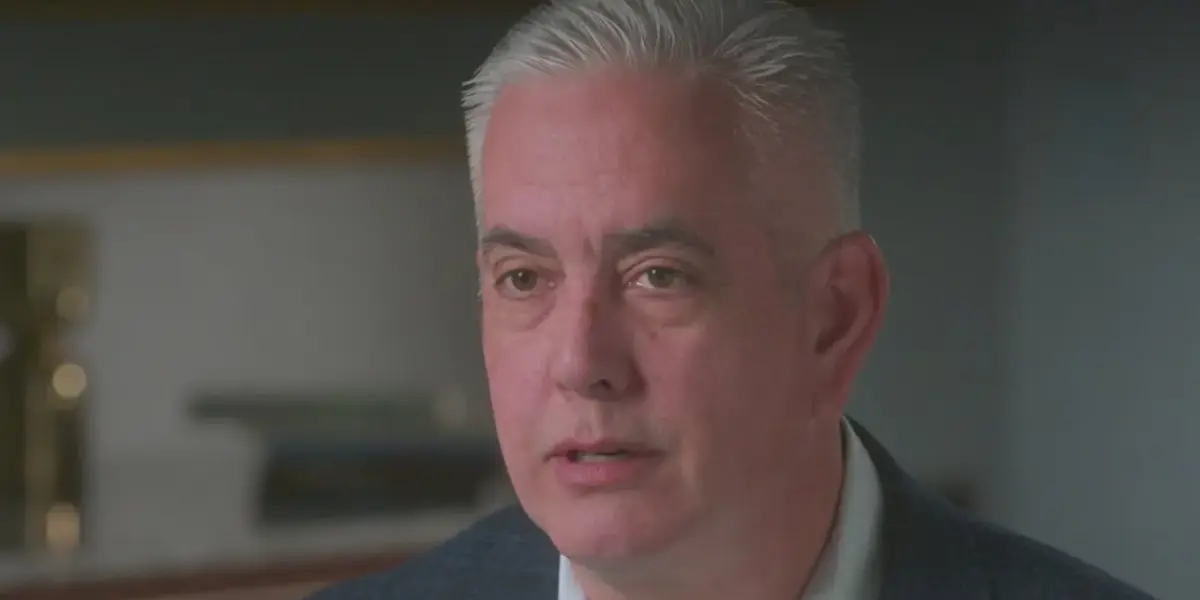
San Francisco Drug Crisis: Policy Fuels Open Dealing
San Francisco is facing a severe drug crisis. An organized network of drug dealers operates around the clock, working in shifts like a union. This situation has been ongoing for nearly a decade. The city’s approach to addiction, known as harm reduction, is being questioned by former addicts and critics. They argue that the policies have gone too far, leading to a culture where open drug use and dealing are common.
Harm Reduction’s Extreme Turn
Harm reduction is a strategy aimed at reducing the negative consequences of drug use. However, critics say San Francisco has taken this model to an extreme. Instead of just reducing harm, the city’s policies are seen by some as enabling addiction. This includes distributing drug paraphernalia like crack pipes and meth pipes. Some even point to taxpayer-funded billboards that seemed to suggest safe ways to use hard drugs like fentanyl and meth.
“The irony is that San Francisco, like most of California, is no libertarian free for all. At least not for the rest of us. It’s the ultimate nanny state when it comes to legal but unhealthy substances like food, chemicals, and especially tobacco.”
This approach contrasts sharply with the city’s strict rules on other substances, like tobacco. Critics argue that the progressive mindset in San Francisco often views homeless individuals and street addicts as victims. This perspective, they claim, leads to providing resources with no requirements for participation. The idea is that if someone is a victim, they should be given everything and expected to do nothing in return.
“All Carrots, No Sticks”
This policy is described as “all carrots, no sticks.” Former addicts like Tom Wolfe and Gina McDonnell experienced this firsthand. Tom Wolfe became addicted to painkillers after surgery, which led him to heroin and then fentanyl. He ended up living on the streets, sleeping in doorways. Gina McDonnell also knows the reality of addiction in the city.
She described how people are given permanent supportive housing. These individuals are placed in their own rooms, where they can use drugs all day without supervision. While services are available and paid for by taxpayers, there are no requirements for sobriety or participation in treatment. This means people can live in their rooms and use drugs without any pressure to change.
The Deadly Toll of Addiction
The consequences of this approach are devastating. Gina McDonnell personally knew 15 people who died from drug overdoses while she was on the streets. She even woke up next to three different people who had died overnight from overdoses. Despite witnessing such tragedy, the powerful grip of addiction meant she still used drugs that same day. As she put it, “Addiction wins every single time.”
Finding a Path to Recovery
Both Tom Wolfe and Gina McDonnell eventually found a way to get clean. For them, the turning point involved the justice system. Tom Wolfe credits the Alameda County sheriff for arresting him. He believes that being put in handcuffs and taken to a facility against his will actually saved his life. He didn’t want to go, but being forced into treatment was what he needed.
Accountability is Key
This experience highlights a critical lesson: holding people accountable for their destructive behavior is essential for change. When individuals face consequences for their actions, it can be the necessary push to seek recovery. The current strategy in San Francisco appears to lack this element of accountability, critics argue. Without consequences, the cycle of addiction and open drug dealing may continue unchecked.
Global Impact
The situation in San Francisco offers a stark warning about the unintended consequences of certain social policies. While aiming to help vulnerable populations, extreme versions of harm reduction can inadvertently create environments where addiction thrives. This raises questions for cities worldwide grappling with similar issues. How can support be offered without enabling destructive behavior? The San Francisco model, with its lack of accountability, shows a potential downside that other nations might want to avoid.
Historical Context
The debate over how to handle drug addiction has a long history. In the past, approaches often focused on punishment and incarceration. More recently, the idea of harm reduction gained traction as a more compassionate and practical way to deal with addiction. This approach emerged in the late 20th century, especially in response to the HIV/AIDS epidemic and its connection to intravenous drug use. The goal was to prevent disease transmission and reduce overdose deaths. However, the San Francisco case suggests that when harm reduction strategies are implemented without clear expectations for personal responsibility, they can lead to a breakdown in public order and an increase in open drug use.
Economic Leverage
The cost of addiction and the services provided to addicts represent a significant financial burden on taxpayers. San Francisco spends considerable resources on housing, healthcare, and social services for its homeless and addicted population. The lack of a requirement for participation or sobriety means these funds may not be effectively leading to recovery for many. This raises questions about the efficiency of public spending and whether alternative strategies could yield better results at a lower cost. The economic argument for accountability is that it could lead to fewer people needing long-term, costly services.
Regional Alliances and Power Balances
While this issue is primarily domestic to San Francisco, it reflects broader trends in how American cities are managed. The progressive policies adopted by some cities are met with criticism from more conservative viewpoints. This ideological divide influences local and state politics. The success or failure of San Francisco’s approach could influence policy debates in other cities and states across the country, affecting how addiction and homelessness are addressed nationwide.
Future Scenarios
One scenario is that San Francisco continues its current policies. In this case, the problems of open drug dealing and addiction may persist or worsen. Another scenario is that public pressure and the evident failures lead to a policy shift. This could involve incorporating more accountability measures, such as mandatory treatment or consequences for public drug use. A third possibility is that external factors, like state or federal intervention, force changes in the city’s approach. The likelihood of a policy shift depends on political will and the willingness to acknowledge the shortcomings of the current strategy.
Source: San Francisco has an ‘organized drug dealing network’: Former addict | On Balance (YouTube)

Related Articles


Social Media’s Addiction Problem: A Legal Reckoning Looms
A recent jury verdict finding Meta and Google liable for designing addictive social media platforms for children could set a major legal precedent. This decision, drawing parallels to the tobacco industry's past struggles, signals a potential shift in accountability for tech companies. The implications could lead to significant changes in platform design and user safety measures.

SF Mayor Rejects Radical Policies, Tackles Homeless Crisis
San Francisco's new Mayor Daniel Laurie is shifting the city away from progressive policies to tackle its homelessness and drug crisis. Activists pushed for change, citing billions wasted on failed approaches. The city now seeks federal, state, and local solutions, potentially including mandatory rehabilitation.


Progressive Policies Fuel San Francisco’s Urban Decay
San Francisco's transformation from a city of acceptance to one facing significant urban decay is analyzed. The piece links this decline to the rise of progressive politics and specific legal measures, such as Proposition 47, which have impacted public order and safety.