Iran’s Bold Stance Challenges US Claims, Escalates Tensions
Reports reveal conflicting narratives between the US and Iran regarding negotiations and military actions. Iran denies claims of pausing strikes, while mediators confirm Iran's firm stance on key issues, signaling a complex and potentially escalating geopolitical situation in the Middle East.

Iran’s Bold Stance Challenges US Claims, Escalates Tensions
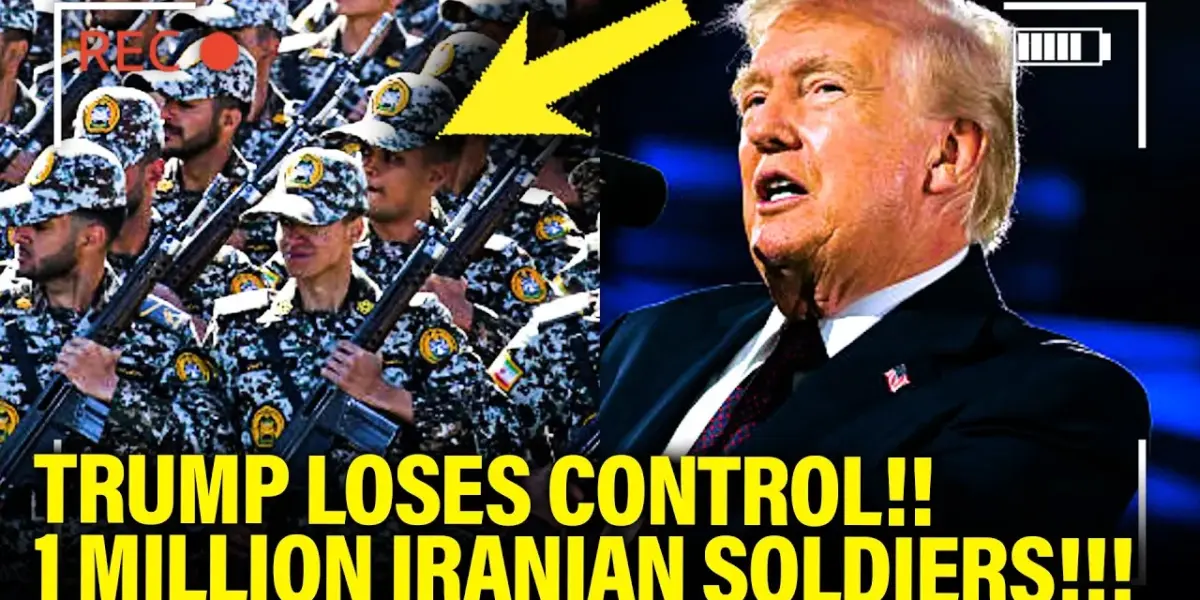
Reports indicate that Iran is preparing for a potential ground battle, with claims of over a million fighters ready if the United States were to invade. This comes amidst a backdrop of escalating rhetoric and actions between Iran and the United States, particularly concerning potential military operations and the ongoing diplomatic standoff.
Conflicting Narratives Emerge
A significant point of contention involves claims of paused military actions and ongoing negotiations. Iran, through its state-run Tasnim agency, stated its readiness for conflict. In response, then-President Donald Trump posted a message suggesting a 10-day pause on targeting Iranian energy infrastructure, citing an Iranian government request and ongoing successful talks. However, this assertion was quickly and strongly denied by Iranian officials. Senior Iranian officials told Drop Site News that Trump’s statement about a pause was untruthful, and no such request had been made.
Mediators Confirm Discrepancies
Further complicating the situation, mediators involved in potential peace talks also contradicted Trump’s claims. A mediator, reportedly from Pakistan, informed The Wall Street Journal that Iran had not requested a pause on strikes against its energy facilities. This aligns with previous statements from Oman’s former foreign minister, who suggested that US and Israeli actions were inconsistent with reaching a negotiated settlement, even when a deal seemed close. These mediators indicated that Iran has ruled out discussing its missile program or ending uranium enrichment as starting points for talks, signaling a firm stance on key security and nuclear issues.
Iran’s Strategic Messaging
Iran has also been actively shaping the narrative surrounding the conflict. The country’s military has released videos, some appearing to reference sensitive political figures or American casualties, which analysts suggest is a tactic to influence public perception. Furthermore, Iranian media has circulated infographics highlighting key energy infrastructure in the UAE and Bahrain as potential targets in the event of escalation. These targets include power stations, nuclear facilities, and solar hubs, with experts noting the UAE’s reliance on centralized power infrastructure makes these sites strategically vulnerable. Iran has also designated specific hotels and the presidential palace in Damascus as military targets, citing the presence of American, Israeli, and British experts.
Regional Alliances and Shifting Dynamics
The conflict also appears to be drawing in regional actors more directly. Iraq’s government has reportedly authorized Shiite militias to attack American military bases both within Iraq and in surrounding Arab nations. This move signifies a deepening of the alliance between Iran and certain Iraqi factions, who have been using Iranian-supplied drones against U.S. bases. On the diplomatic front, Iran’s President Masoud Pezeshkian expressed gratitude to Russia for its support, highlighting substantial military aid, including drones and intelligence. This relationship is seen as a counterweight to U.S. policy, with accusations that the U.S. is weakening Ukraine and sanctioning Russia while simultaneously lifting sanctions on Russian and Iranian oil.
Historical Context and Escalation Concerns
The current tensions are not entirely new. Historical patterns of distrust and proxy engagements have characterized U.S.-Iran relations for decades. Iran’s actions, such as tightening control over the Strait of Hormuz and demanding data or payment from passing ships, create economic pressure. The U.S. military buildup, including the deployment of Marine Expeditionary Units and Special Operations forces, suggests a potential for a large-scale ground operation, which many observers fear could lead to widespread conflict in the Middle East. Reports also suggest that hardliners within Iran are now pushing for nuclear weapons, further complicating any diplomatic path forward.
Why This Matters
This situation is critical because it involves two major global players in a highly volatile region. The conflicting narratives, particularly regarding negotiations and military actions, create uncertainty and increase the risk of miscalculation. Iran’s assertive stance, its strategic messaging, and its strengthening ties with Russia signal a growing confidence and a willingness to challenge U.S. influence. The potential for direct conflict, involving not only the U.S. and Iran but also regional allies and proxies, could have devastating consequences for global stability, energy markets, and civilian populations. The U.S. response, whether diplomatic or military, will be closely watched, as will Iran’s ability to leverage its alliances and strategic positioning.
Implications and Future Outlook
The future outlook remains uncertain. Iran’s rejection of key U.S. demands and its clear messaging on its red lines suggest that a diplomatic resolution, as currently proposed by the U.S., may be difficult to achieve. Iran’s actions in the Strait of Hormuz and its targeting of infrastructure in the UAE and Bahrain demonstrate a readiness to inflict economic pain. The involvement of Iraqi militias further broadens the conflict’s scope. As military assets are reportedly being mobilized on both sides, the risk of a full-blown war is a significant concern. The international community faces the challenge of de-escalating tensions while navigating complex geopolitical alliances and Iran’s determined pursuit of its strategic interests.
Source: Trump PANICS as Iran PREPARES 1 MILLION SOLDIERS!!!! (YouTube)

Related Articles

G7 Allies Clash Over Iran War Strategy, Urge Focus on Russia
G7 foreign ministers met in Paris, revealing deep divisions over the U.S. war with Iran. European allies urged the U.S. to pressure Russia, linking its actions to the conflict and fearing support for Ukraine will wane.

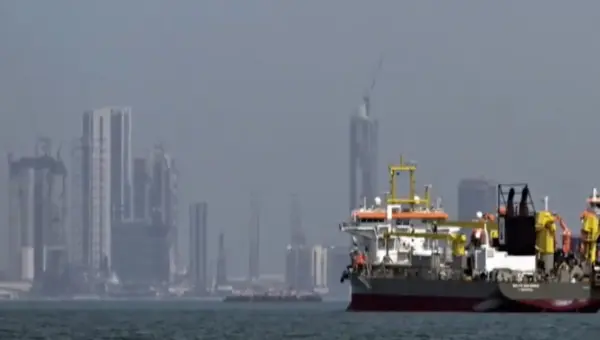
Iran Blocks China Ships, Exposing Beijing’s Weak Grip
Iran's recent decision to block Chinese ships at the Strait of Hormuz is exposing the limits of Beijing's influence in the Middle East. This action is causing delays and cancellations for Chinese manufacturers, turning a perceived geopolitical win into an economic strain.
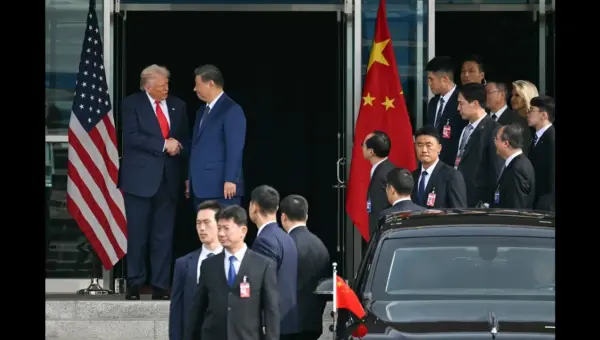
Trump’s “Walk Away” Tactic Signals Tougher Stance on China
Retired Air Force Brigadier General David Stillwell believes President Trump's strategy of being willing to walk away from negotiations puts pressure on China. This tactic, combined with US global actions and strengthened alliances, signals a more assertive American foreign policy.