Iran’s Internet Blackout Fuels Global Concern, Hopes
Iran's extended internet blackout is causing widespread anxiety among its people and their families abroad. Comedian Max Amini shared his concerns, highlighting the hardship of disconnection and the deep-seated hope for change within Iran. The situation also raises broader concerns about regional stability and the potential for retribution.


Iran’s Internet Blackout Fuels Global Concern, Hopes
The ongoing internet shutdown in Iran, now lasting over 27 days, is creating deep anxiety for Iranians and their families abroad. This prolonged disconnection highlights the regime’s control and the growing isolation of the Iranian people. Comedian Max Amini, speaking with Chris Cuomo, shared his personal worries and insights into the situation on the ground.
A Nation Cut Off
For nearly a month, Iranians have been largely unable to access the internet. Amini pointed out how disruptive this would be even in the United States, where people rely on online connections for daily life. For Iranians, this blackout makes it incredibly difficult to communicate with loved ones, share information, or even access news. Many are struggling to stay connected, using tools like Starlink or VPNs when possible, but these are often unreliable or difficult to obtain.
Fear and Hope for Change
The extended internet shutdown is happening amid significant unrest within Iran. Amini described the mood as one of fearful anticipation. People have endured hardships for months and are now waiting anxiously for positive change. They hope for a better life and a future where they can progress. This desire for progress is fueled by a large, educated population. Many Iranians have achieved great success abroad, particularly in fields like technology, contributing significantly to countries like the United States.
Broader Regional Stability
Amini stressed that the situation in Iran is not just a domestic issue. He argued that a stable and free Iran would benefit the entire region and the world. The current Iranian regime has been involved in actions that destabilize neighboring countries. Attacks on Saudi Arabia and oil refineries in Doha were cited as examples of this disruptive behavior. Keeping this narrative alive, Amini believes, is dangerous for everyone. He suggested that a world with fewer oppressive regimes would be a safer and better place.
Concerns About Retribution
A major fear for many Iranians, both inside and outside the country, is what happens if the current regime remains in power. Amini voiced his concern that the regime might seek retribution against its own people. The price the Iranian people have already paid is immense, and any further crackdown could be devastating. He emphasized that the desire for a better future is strong among a population that has demonstrated great talent and potential.
Historical Context and International Relations
The current events in Iran echo past struggles for freedom and self-determination in the Middle East. The desire for democratic governance and human rights has been a recurring theme in the region. International relations with Iran have long been complex, marked by sanctions, diplomatic tensions, and concerns over its nuclear program and regional influence. The United States, for example, has maintained sanctions on Iran for decades, citing various reasons including support for terrorism and human rights abuses.
Economic Factors and Global Impact
The Iranian economy has been heavily impacted by international sanctions and internal policies. The oil sector, a key source of revenue, is particularly vulnerable to global market fluctuations and geopolitical pressures. The disruption of internet access also affects economic activity, hindering business operations and international trade. The stability of oil supplies from the Middle East is crucial for the global economy, making any instability in the region a matter of international concern.
Future Scenarios
Several future scenarios could unfold. One possibility is that internal pressure, combined with international attention, could lead to significant reforms or even a change in leadership. Another scenario involves the continuation of the current situation, with the regime maintaining control while facing ongoing internal dissent and international scrutiny. A third possibility, which Amini fears, is a violent crackdown on the population. The role of international actors, including the United States and regional powers, will likely play a significant part in shaping these outcomes.
Why This Reshapes the World Order
The events in Iran are more than just a domestic struggle; they represent a broader contest over regional stability and the future of governance in the Middle East. The Iranian people’s demand for basic freedoms and a better life challenges the existing power structures. If successful, it could inspire similar movements elsewhere and alter the geopolitical balance. Conversely, a successful crackdown could embolden authoritarian regimes globally. The prolonged internet blackout is a stark reminder of the power of information control in the modern age and the international community’s responsibility to ensure access to truth and connectivity for all people.
Source: Max Amini talks Iran war, how he's helping Iranian people | CUOMO (YouTube)

Related Articles
Trump’s “Walk Away” Tactic Signals Tougher Stance on China
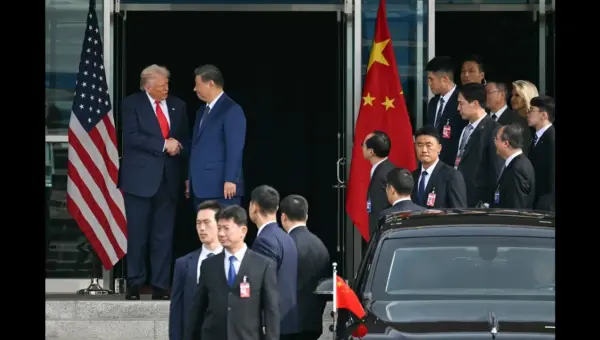
Retired Air Force Brigadier General David Stillwell believes President Trump's strategy of being willing to walk away from negotiations puts pressure on China. This tactic, combined with US global actions and strengthened alliances, signals a more assertive American foreign policy.
China Fights Back: Tariffs Loom Ahead of Trump Visit
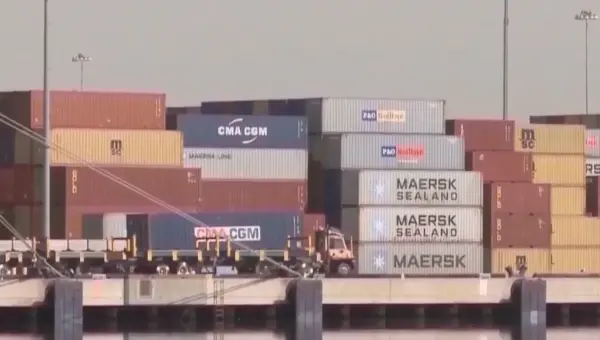
China is retaliating against US trade investigations that could lead to higher tariffs. This escalating trade tension occurs just before a planned visit by President Trump. The dispute involves accusations of unfair practices and impacts global supply chains.

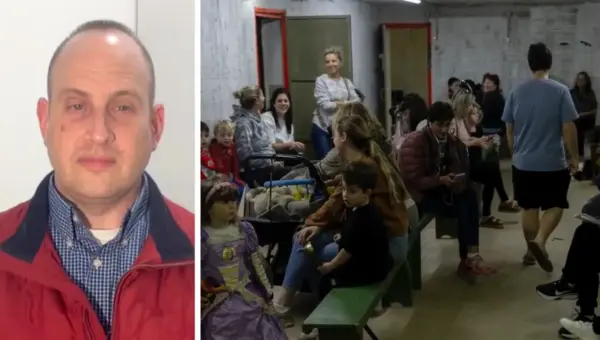
Israelis Forge Resilience Amidst Constant Bomb Shelter Drills
Life in Israel is a blend of resilience and constant vigilance, with many families adapting to frequent bomb shelter drills and even sleeping in makeshift shelters. Despite ongoing missile attacks, Israelis strive to maintain normalcy, though businesses face disruption and emotional fatigue is a growing concern.