US President’s Rhetoric Fuels Global Mistrust
The U.S. President's softened language towards adversaries, calling them "shrewd negotiators" while they publicly refuse to talk, has sparked concerns. Critics argue this contradictory messaging, coupled with inaccurate descriptions of conflict outcomes, damages American credibility on the global stage. This inconsistency could weaken diplomatic efforts and alter international power dynamics.

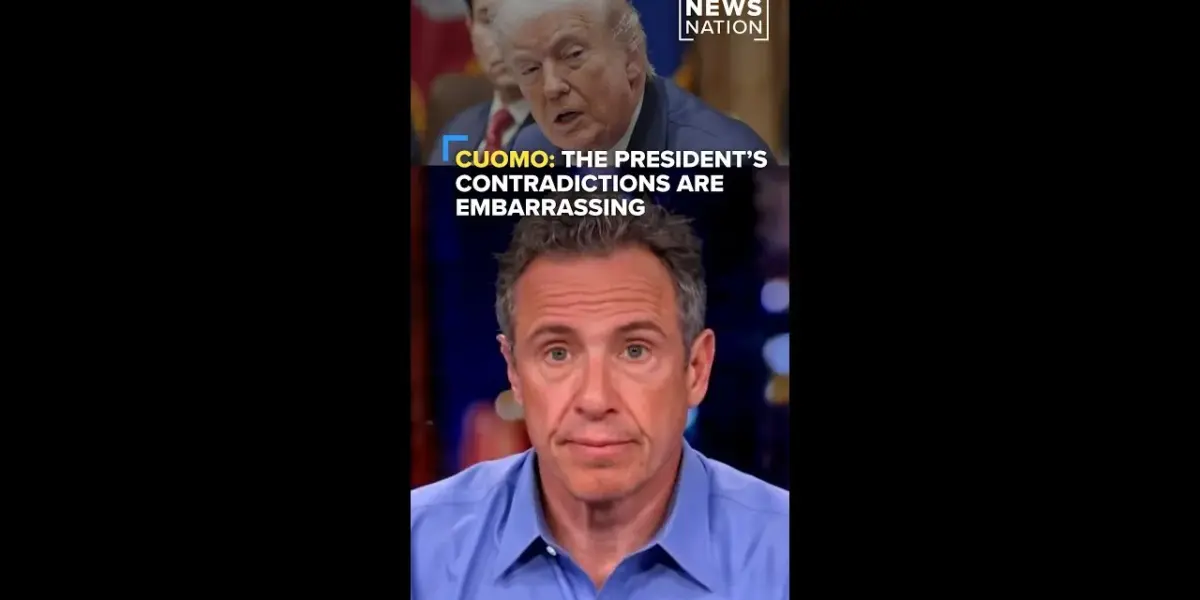
US President’s Rhetoric Fuels Global Mistrust
The United States President’s recent comments about adversaries have sparked debate, raising questions about the nation’s credibility on the world stage. While the President has softened his language, calling some leaders “shrewd negotiators,” this approach has drawn criticism for being contradictory and potentially damaging to diplomatic efforts.
Contradictory Messaging on the World Stage
The President’s shift in tone, from strong condemnation to describing opponents as “very smart” and “great negotiators,” has created confusion. This is especially true when these same adversaries are publicly stating they will not negotiate. This contrast between the President’s words and the actions or stated positions of other nations raises concerns about the effectiveness of U.S. foreign policy communication.
Critics point to the use of terms like “obliterated” to describe the state of opposing forces. They argue this language is inaccurate and misleading, as key capabilities, such as nuclear weapons or military infrastructure, have not been destroyed. This disconnect between official statements and reality can erode trust, both domestically and internationally. It makes the U.S. sound like the very regimes it criticizes, employing rhetoric that is easily seen through.
The Impact of Inconsistent Diplomacy
When leaders use contradictory messages, it can make their country appear less reliable. This is particularly concerning when dealing with complex international issues. The ability to negotiate effectively depends on clear communication and a consistent stance. If adversaries perceive a lack of clarity or honesty in a leader’s words, they may be less likely to engage in meaningful talks.
This situation creates an embarrassing comparison of credibility. It pits the President’s statements against those of leaders or groups who may be perceived as untrustworthy. This can weaken the United States’ position and make it harder to achieve foreign policy goals. It suggests that the President is either misinformed or deliberately misrepresenting the situation on the ground.
Historical Context of Presidential Diplomacy
Throughout history, presidential communication has played a crucial role in shaping global perceptions. Leaders have often used strong language to project strength and deter adversaries. However, they have also employed more nuanced diplomacy to build alliances and seek peaceful resolutions. The current situation highlights the delicate balance between projecting power and engaging in effective negotiation.
Past administrations have faced similar challenges when their public statements did not align with the realities of international relations. This can lead to a loss of confidence among allies and embolden rivals. The effectiveness of diplomacy often relies on a consistent and credible voice, especially during times of conflict or tension.
Economic and Strategic Considerations
While the transcript does not detail specific economic policies or sanctions, the broader context of international relations involves significant economic factors. Trade dependencies, energy routes, and resource control all play a role in how nations interact. Inconsistent diplomatic messaging can affect these economic relationships, creating uncertainty for businesses and investors.
The ability to negotiate deals that benefit the United States depends on its standing in the global community. If other nations do not trust the President’s words, they may be less willing to enter into agreements. This can impact everything from trade deals to international security cooperation. The United States’ economic leverage can be diminished if its diplomatic credibility is weakened.
Future Scenarios and Global Impact
The current approach to communication presents several possible future scenarios. One possibility is that the contradictory rhetoric will continue, leading to further erosion of U.S. credibility. This could empower adversaries and make it harder for the U.S. to rally international support for its policies. Allies might seek alternative partnerships, and global stability could be undermined.
Another scenario is that the President will adjust his communication strategy, adopting a more consistent and realistic approach. This could help rebuild trust and strengthen the U.S. position in international negotiations. However, changing established patterns of communication can be difficult, and the impact of past statements may linger.
Ultimately, the President’s choice of words and the consistency of his messaging have real-world consequences. They shape how other nations perceive the United States and influence the outcomes of critical international challenges. The world watches to see if the U.S. can project strength and pursue its interests effectively through clear and credible diplomacy.
Source: Cuomo: The president’s contradictions are embarrassing | CUOMO (YouTube)

Related Articles


Stocks Ignore War Risks, Focus on “Taco Moments”
Stock markets appear to be overlooking the severe supply chain risks stemming from the Iran conflict, focusing instead on potential diplomatic de-escalations. While the S&P 500 shows resilience, bond and commodity markets signal deep concern over disruptions to critical resources like LNG, helium, and fertilizers.
U.S. Iran Tensions Rise Amid Shifting Alliances
Rising tensions between the U.S. and Iran are creating a volatile geopolitical situation. With conflicting signals on de-escalation and potential shifts in alliances like NATO and U.S.-Israel relations, the path forward remains uncertain. The global economy and regional stability hang in the balance.


Iran Targets US With Cyberattacks, Escalating Digital Warfare
Iran is increasingly using cyberattacks to challenge the U.S., as seen in a recent hack of the FBI director's account. Experts say this is a strategic shift due to Iran's limitations in conventional warfare. The U.S. needs to strengthen its digital defenses, focusing on encryption and cloud computing, rather than solely relying on traditional security measures.