Tech Giants Face Reckoning: Social Media Lawsuit Sets Precedent
A recent jury decision found Meta and Google negligent for designing harmful social media platforms for young users. This ruling, which sidestepped key legal protections like Section 230 by focusing on product design, could be a major turning point for Big Tech.


Tech Giants Face Reckoning: Social Media Lawsuit Sets Precedent
A recent jury decision against Meta and Google has sent shockwaves through the tech industry. A Los Angeles jury found both companies negligent for designing social media platforms that harm young users. This ruling could be a turning point in the ongoing legal battles over social media addiction.
A Landmark Ruling, But With Caveats
Legal experts say this case is significant, but its reach might be limited. The lawsuit used California law to get around some federal protections that usually shield social media companies. These protections include the First Amendment, which prevents the government from regulating speech, and Section 230 of the Communications Act, which says platforms aren’t responsible for what users post.
Think of it like this: Section 230 is like a shield for social media companies. It says they can’t be sued for things people say on their sites. The First Amendment is also a barrier, stopping courts from telling companies what content they can host.
However, this case found a way around those shields. The plaintiffs argued that the problem wasn’t the content itself, but the way the platforms were designed. They pointed to features like endless scrolling and algorithms built to keep users hooked. This approach focused on product liability, treating the platform’s design as the harmful product.
The ‘Big Tobacco’ Moment?
Some are calling this a “big tobacco moment” for social media companies. In the past, tobacco companies faced massive lawsuits and had to pay huge sums for the harm caused by their products. The argument is that social media platforms, like tobacco companies, knowingly designed addictive products.
If this ruling stands, it could lead to more lawsuits across the country. Companies might have to pay billions in damages. This could force them to change how they design their platforms and follow their own rules more closely. For lawyers, this case offers a roadmap to pursue similar claims on behalf of affected users.
Sidestepping Section 230: The Algorithm Argument
Section 230 has long been a strong defense for tech companies. It protects them from being held responsible for user-generated content. But in this case, the plaintiffs shifted the focus. They argued that the platform’s algorithms, not the specific posts, were the issue.
The lawsuit claimed that features like never-ending scrolling and psychological hooks were intentionally designed to addict users. This is similar to how tobacco companies were accused of engineering products to be addictive. By framing it as a product liability case, the plaintiffs aimed to bypass the protections of Section 230.
Potential Consequences: Warnings and Financial Risk
If this case’s outcome is replicated, big tech companies might have to issue warnings about the potential risks of using their platforms, much like the tobacco industry does. The biggest fear for these companies is a flood of lawsuits and massive financial payouts.
The jury’s decision, even with $6 million in damages awarded against Meta and Google, is more about the legal precedent set. For these giant corporations, $6 million is a relatively small amount. However, the legal path cleared by this verdict could lead to much larger financial consequences down the line.
The Defense: Personal Responsibility and Complex Factors
Social media companies typically defend themselves by emphasizing personal responsibility. They argue that parents are responsible for monitoring their children’s use of these platforms. They also point out that mental health is complex and influenced by many factors beyond social media.
In this specific case, the defense highlighted that the plaintiff faced challenges like COVID-19 isolation and the general difficulties of adolescence. It’s hard to isolate social media as the sole cause of mental health issues. The jury’s decision suggests they were likely moved by the plaintiffs’ arguments despite these complexities.
The Appeal and the Future of Social Media Law
Meta and Google plan to appeal the decision. The core of the legal battle will likely revolve around the First Amendment. The question is whether regulating algorithms to prevent harm is the same as regulating content.
The plaintiffs’ strategy was to focus on the platform’s design – how it delivers content and keeps users engaged. They argued that features like push notifications designed to grab attention for mere seconds, leading to much longer usage, are mechanisms causing harm. The courts will now have to decide if regulating these design features crosses the line into regulating speech, and where the boundary lies between product liability and content moderation.
Why This Matters
This case is crucial because it challenges the long-held immunity of social media platforms. For years, Section 230 has provided a strong shield, making it difficult to hold companies accountable for the negative impacts of their services, especially on young users. If this ruling survives appeals, it could force a fundamental re-evaluation of how social media platforms are designed and regulated.
Implications, Trends, and Future Outlook
The implications are vast. We could see a wave of similar lawsuits targeting platforms for their addictive design features. This might lead to stricter regulations, requiring more transparency in algorithms and design choices. The trend is moving towards greater accountability for tech companies regarding user well-being.
The future outlook suggests a more challenging legal environment for social media giants. They may need to invest heavily in making their platforms safer by design, rather than relying solely on content moderation or blaming external factors. This could reshape the user experience and the business models of major tech companies.
Historical Context
The legal battles echo historical struggles with industries causing public harm. The comparison to the tobacco industry is particularly relevant. Just as the public health crisis caused by smoking eventually led to significant legal and regulatory action, the growing concerns about social media’s impact on mental health may now be reaching a similar tipping point. Early internet laws, like Section 230 enacted in 1996, were created in a very different digital age and may no longer be adequate for the complex challenges posed by today’s sophisticated social media platforms.
Source: Social Media Liability Finding Could Prove a Bellwether Case: Legal Expert (YouTube)

Related Articles


Social Media Giants Face Lawsuits Over Addictive Designs
Tech giants Meta and Google are facing significant legal challenges as juries find them liable for the addictive design of their platforms and the harm caused to young users. Recent verdicts in California and New Mexico have ordered the companies to pay millions in damages, highlighting concerns over mental health impacts and child exploitation.


Congressman Targets ‘Digital Fentanyl’ with Section 230 Repeal Push
Congressman Jimmy Patronis is leading a push to repeal Section 230, likening addictive social media algorithms to "digital fentanyl." He argues the law shields tech giants from accountability for harm caused to children online. Repealing the law could significantly impact social media companies and their investors.

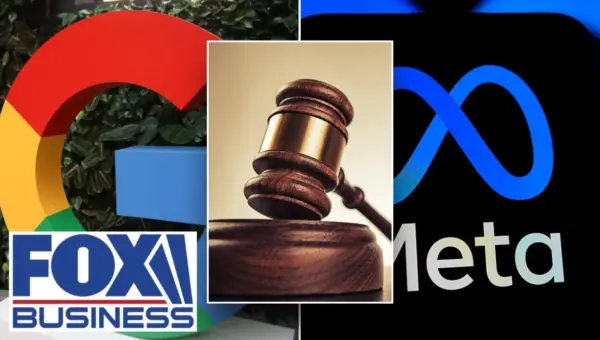
Google, Meta Liable: $6M Verdict Shakes Social Media Giants
A jury found Google and Meta liable for designing addictive platforms, awarding $6 million in damages. This landmark verdict could set a precedent for future lawsuits against social media giants, though appeals are expected.