China Hoards Fertilizer, Risking Global Food Security
China is restricting fertilizer exports to ensure domestic food security, a move that could worsen a global crisis. This decision impacts nations heavily reliant on Chinese fertilizer, raising concerns about food prices and availability worldwide.

China Hoards Fertilizer, Risking Global Food Security
A major global crisis is unfolding, not just in oil markets, but also in the world of fertilizer. The Strait of Hormuz, a critical shipping route, handles nearly a third of all fertilizer exports worldwide. Its disruption means trouble for farmers getting ready for the spring planting season. This could lead to serious problems for food security across the globe.
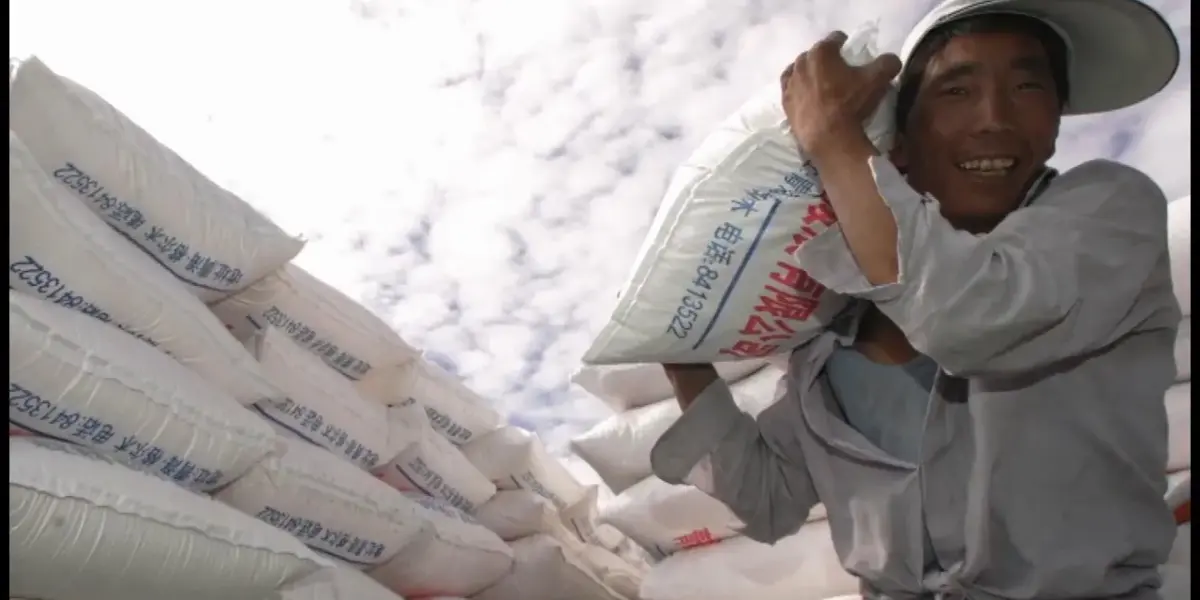
China, a giant in agriculture and a major fertilizer producer, is now taking drastic steps. The country is putting tight controls on its own fertilizer market. An industry group has asked fertilizer companies to release their stored supplies. This is to make sure Chinese farmers can get enough fertilizer at a fair price.
More significantly, reports indicate that China has now banned between 50% and 75% of its fertilizer from leaving the country. This move has big consequences because China is the world’s largest grain producer and a key player in fertilizer exports.
Why is China Curbing Exports?
The main reason behind China’s decision is its focus on food security. The Chinese government wants to build a food system that can fully support itself. Food shortages and the resulting hunger could lead to widespread public anger. Such unrest could threaten the ruling party’s grip on power.
We’ve seen this play out before. In 2022, protests sparked by food shortages during the pandemic spread to major cities like Shanghai. This was the first time such widespread protests had occurred in over thirty years. Events like the pandemic, along with rising tensions between the U.S. and China, and the war in Ukraine, have made Beijing even more worried about its food supply.
Spring Planting Faces Hurdles
This year’s spring planting season is particularly difficult. As mentioned, about 30% of the world’s fertilizer used to pass through the Strait of Hormuz before recent disruptions. When this route faced problems, fertilizer prices shot up globally. China is now trying to keep its own prices low, which are reportedly less than half of what they cost elsewhere.
However, this strategy is causing major problems for China’s international customers. Industry insiders suggest that China might not allow fertilizer exports to resume until August. This delay could cripple farmers in countries that rely heavily on Chinese fertilizer.
Global Impact
Consider the numbers: last year, China’s fertilizer exports made up 16% to 20% of the total imports for nations like India, Brazil, and Thailand. For New Zealand and Malaysia, China’s fertilizer accounts for as much as 30% of their total supply. A ban on these exports means these countries will struggle to get the fertilizer they need for their own farms.
Why This Matters
China’s decision highlights a growing trend of nations prioritizing their own needs during global crises. While understandable from Beijing’s perspective, it creates a domino effect. Reduced fertilizer availability means lower crop yields, which can lead to higher food prices and potential shortages worldwide. This is especially worrying for developing nations that are already struggling with food security.
Implications, Trends, and Future Outlook
This situation points to a more protectionist approach in global trade, particularly for essential goods like food and fertilizer. Countries are likely to build up their own reserves and limit exports to ensure domestic stability. This could lead to a more fragmented global market, where international cooperation on food security becomes more challenging.
The reliance on key shipping routes like the Strait of Hormuz also remains a significant vulnerability. Future conflicts or political instability in these regions could trigger similar crises. We might see increased investment in alternative shipping routes or the development of more localized fertilizer production to reduce dependence on global supply chains.
Historical Context
The concept of food security has long been a central concern for governments, especially in large, populous nations like China. Throughout history, famine and food scarcity have been major drivers of social unrest and political change. China’s current actions can be seen as a direct response to these historical lessons, amplified by modern geopolitical tensions and global supply chain fragilities.
The global fertilizer market itself has seen significant shifts. For decades, countries have relied on a few major producers for their supply. Disruptions, like those caused by international conflicts or trade disputes, expose the fragility of this system. China’s move is a stark reminder that global supply chains, while efficient, can also be highly vulnerable.
In essence, China’s decision to hoard fertilizer is a complex move driven by domestic concerns but with significant global repercussions. It underscores the delicate balance between national interests and international responsibility, especially when it comes to feeding the world.
Source: China's Answer to Fertilizer Crisis: Sorry, Can't Help (YouTube)

Related Articles


Farmers Need Innovation and Support Now
As planting season begins, American farmers face rising costs and global disruptions. An industry analyst calls for more innovation, investment, and policy support to ensure the future of family farms and food security for all.


Israel Escalates Iran Strikes, Warns of Wider War
Israel has launched significant strikes inside Iran following continued missile fire, warning of further escalation. The conflict risks wider regional instability and economic disruption, especially concerning the Strait of Hormuz.

Asia Faces Oil Shortages as Middle East War Disrupts Global Energy
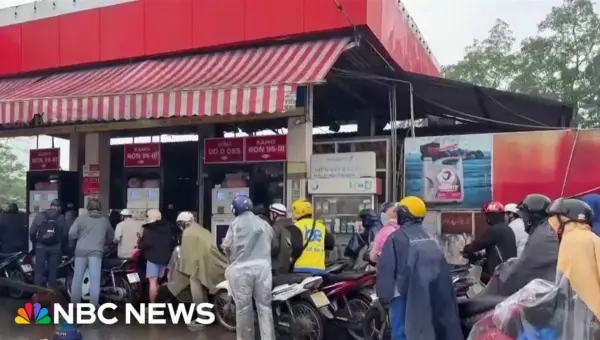
A war in the Middle East has triggered widespread oil and gas shortages across Asia, leading to protests, rationing, and long fuel lines. The crisis, described as the largest supply disruption in history, is forcing governments to take drastic measures and is creating economic strain throughout the continent. Analysts are closely watching the Strait of Hormuz and diplomatic efforts to ease the energy emergency.