Airport Chaos and Social Media Lawsuits Shake Nation
Long airport security lines caused by unpaid TSA agents and a landmark ruling against social media giants highlight major societal and political challenges. The DHS funding dispute leaves travelers stranded, while a court found Meta and YouTube liable in a social media addiction case, signaling a potential shift in tech accountability.

Airport Chaos and Social Media Lawsuits Shake Nation
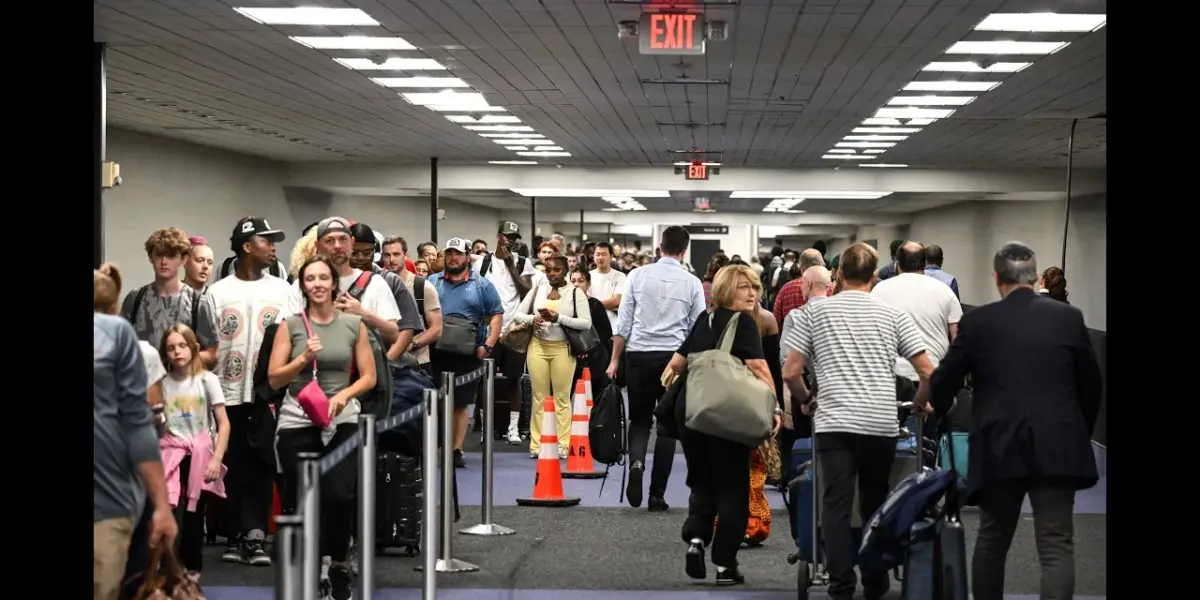
The nation is facing a double dose of disruption, with a government shutdown causing massive airport delays and a landmark court ruling targeting social media giants. Travelers are frustrated by long security lines, while parents are celebrating a victory in the fight against social media addiction. Both situations highlight deep issues in how government and corporations operate.
TSA Agents Left Unpaid, Airports in Gridlock
A standoff in Congress over funding for the Department of Homeland Security (DHS) has left thousands of Transportation Security Administration (TSA) agents without pay for weeks. This has led to a dramatic increase in staff calling out sick, with some major airports seeing nearly half their security personnel absent. The TSA acting administrator reported that call-out rates jumped from 4% to as high as 50% at some airports. This means travelers are experiencing the longest wait times in TSA history, with some queues stretching over four and a half hours.
To cope, some airports are seeing U.S. Immigration and Customs Enforcement (ICE) agents assisting TSA. Meanwhile, some TSA agents are reportedly taking on second jobs just to make ends meet. This situation is a direct result of political disagreements over funding and policy changes related to ICE operations. Democratic members of Congress have proposed funding DHS without including funds for ICE, but this has not yet resolved the deadlock.
Political Football and Voter Frustration
Christian Briggs, CEO of Hard Asset Management Group, called the situation a “political hot potato.” He stressed that expecting people to work without pay is unsustainable. Briggs also pointed out that travelers are often registered voters, and their patience is wearing thin. “You can’t continue to expect these people to go to work for free,” he stated. He believes neither political party will emerge from this crisis unscathed if it isn’t resolved quickly. He even suggested that if the gridlock continues, people might start investing in bus and Amtrak stocks.
Maline Somerville, a national trial attorney and former Democratic speech writer, believes the political parties may have waited too long. Polls show that both ICE and former President Donald Trump are unpopular, with approval ratings around 37%. Many Americans disapprove of ICE’s practices, such as entering homes without warrants and reportedly being trained to react violently to filming. The public desires reforms.
Somerville noted that Democrats have presented nine different proposals to fund just the TSA, suggesting they are trying to find a solution. She believes the blame for the ongoing shutdown is falling more heavily on Republicans. “The blame is going with the Republicans on this one,” she stated.
Republicans Face Backlash
Briggs agreed that Republicans might suffer a “black eye” if the situation drags on, especially with spring break approaching. He observed that government shutdowns often hurt the party in power. “The Republicans have got to realize that when you have shutdowns… the Republicans in most cases… they come out with the black eye,” he explained. He advised resolving the issue quickly, particularly with midterm elections on the horizon, to avoid pushing moderate voters towards Democrats.
Social Media Addiction Trial Verdict
In a separate development, a jury found Meta (Facebook’s parent company) and YouTube liable in a major social media addiction lawsuit. This verdict came after parents testified that their children died by suicide due to social media addiction. The plaintiffs’ lawyer stated that the companies failed to operate their platforms responsibly and warn users adequately, which was a direct cause of harm.
Legal Implications and Tech Accountability
As a trial attorney, Somerville sees this verdict as a significant victory for the public. She noted that federal laws have often protected social media platforms from liability for wrongdoing on their sites. This case, however, seems to have expanded liability beyond criminal acts to general negligence. “The law needs to catch up to reality,” she argued. She believes juries want to protect their children, making this outcome unsurprising.
Briggs, with a background in physics, computer science, and economics, was also encouraged by the verdict. He explained that while companies include terms of service in their user agreements, these don’t always shield them from accountability when their intent is to “trap an individual.” He believes social media platforms intentionally targeted children to maximize engagement. “There is no question that this was targeted at children to get the most amount of eyeballs for the longest amount of time,” he said. He feels there should be no immunity for companies when their actions cause harm, especially to impressionable children who can become “zombies on social media.” He supports restrictions and borders for these platforms.
Why This Matters
The airport delays highlight the real-world consequences of political gridlock on essential government services and the lives of public employees. It shows how deeply intertwined government funding is with national security and public convenience. The frustration of travelers, who are also voters, suggests a potential electoral impact if solutions aren’t found.
The social media verdict is a crucial step in holding powerful tech companies accountable for the impact of their products. For years, platforms have operated with broad legal protections. This ruling suggests a potential shift towards greater responsibility for the harms caused by addictive design and content, especially to young users. It opens the door for more legal challenges and could force significant changes in how social media platforms operate.
Implications and Future Outlook
For air travel, a swift resolution to the DHS funding dispute is critical to restore TSA staffing levels and reduce wait times. If the conflict persists, it could lead to a significant decline in air travel confidence and potentially boost alternative transportation. Politically, the blame game will likely continue, with both parties trying to shape public perception ahead of elections.
The social media lawsuit’s impact will unfold as appeals proceed. However, the verdict could inspire similar lawsuits and push lawmakers to consider new regulations for online platforms. Companies like Meta and YouTube may face pressure to alter their algorithms, increase safety features, and provide clearer warnings about potential risks. The long-term outlook suggests a future where tech giants may have less legal protection and more responsibility for user well-being.
Historical Context
Government shutdowns and funding disputes are not new to U.S. politics. They have occurred periodically throughout history, often stemming from disagreements over spending priorities or policy riders attached to essential funding bills. These events typically cause public inconvenience and highlight the challenges of bipartisan governance. The current situation adds the layer of unpaid essential workers directly impacting daily life for millions.
The legal battles against social media companies are also part of a growing concern about the effects of technology on society. Early internet laws, like Section 230 of the Communications Decency Act, have largely shielded online platforms from liability for user-generated content. However, as the societal impact of these platforms becomes clearer, particularly concerning mental health and addiction, legal and regulatory scrutiny is intensifying. This trial represents a significant moment in that ongoing debate.
Source: Travelers Are Registered Voters, Won’t Tolerate Long Security Lines; Neither Party Will Come Out Uns (YouTube)

Related Articles
House Republicans Reject Senate Deal, Sparking Government Funding Clash
House Republicans have rejected a Senate bill to end the government shutdown, citing insufficient border security measures. Congressman Randy Fine called the Senate deal a "disgrace" and highlighted the ongoing fight for full government funding. President Trump's executive order to pay TSA agents offers temporary relief, but the core disagreement over border security continues to paralyze Washington.

Tiger Woods Arrested for DUI After Crash
Golf legend Tiger Woods was arrested for DUI in Florida following a dramatic rollover crash. Meanwhile, a government shutdown continues as House Republicans block a Senate deal, leading to airport chaos and TSA worker pay issues. The stock market also plummeted into correction territory amid fears of a prolonged Iran conflict.

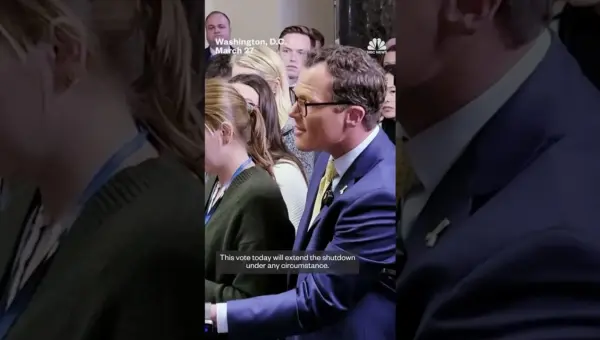
TSA Funding Fight Sparks Airport Chaos, Worker Exodus
TSA officers will soon receive back pay after President Trump signed an emergency order, but the ongoing congressional funding fight continues to cause airport chaos. Long security lines and a significant number of TSA officer resignations highlight the deep divisions over border security measures, leaving travelers frustrated.