Iran’s Peace Talks: A Game of Time, Not True Accord
Experts suggest Iran's current peace talks with the US may be a tactic to gain time rather than a genuine pursuit of peace. While the US seeks stability, Iran's history indicates a pattern of agreeing to terms only to later disregard them. The effectiveness of any deal hinges on Iran demonstrating verifiable changes in behavior.

Iran’s Peace Talks: A Game of Time, Not True Accord
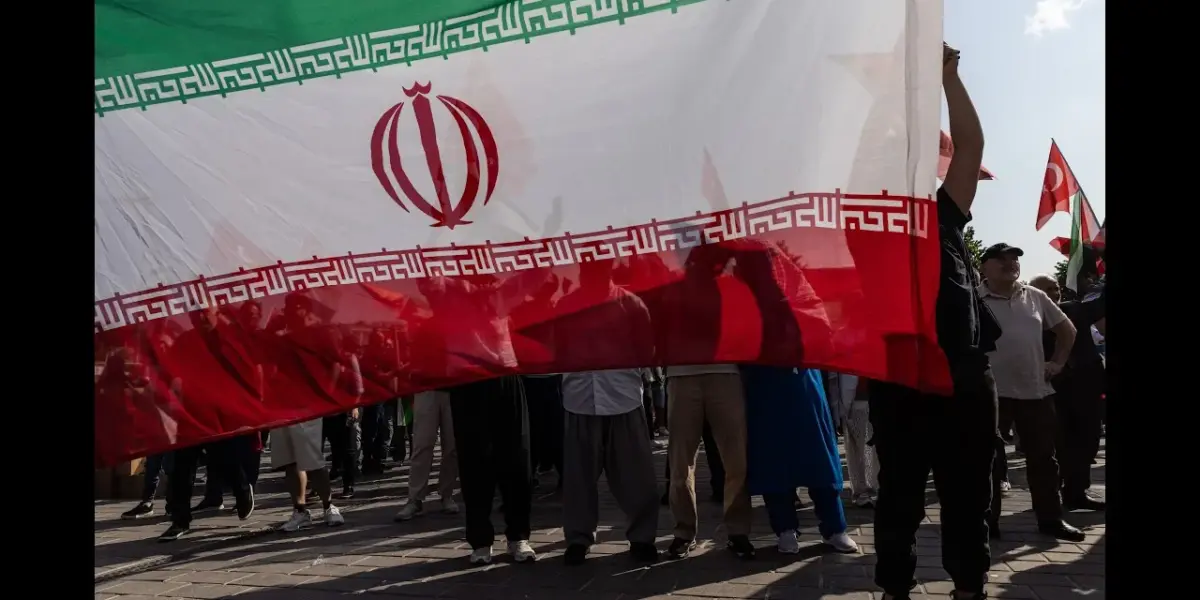
Reports of a peace plan between the United States and Iran have surfaced, sparking discussions about potential agreements. However, experts caution that Iran’s history suggests these talks might be more about buying time than achieving lasting peace. The White House has been careful, stating that while talks are ongoing and productive, they have not confirmed specific details of any proposed 15-point plan, urging against reporting on speculative information from anonymous sources.
What Might Be on the Table?
When nations engage in high-stakes negotiations, both sides typically present a list of demands and potential compromises. In the context of US-Iran discussions, some possibilities include:
- A temporary mutual ceasefire to allow for the safe passage of goods and oil, helping the global economy continue functioning despite the conflict.
- Reinvestment in Iran’s manufacturing sector, potentially to rebuild areas affected by past conflict.
- From the US perspective, demands might focus on securing direct access to natural resources and establishing a military presence in the region, similar to bases in Kuwait or Diego Garcia. This presence could be framed as a measure for regional stability.
Iran’s Strategic Approach
National security experts suggest that Iran may be seeking an “exit ramp” from the current situation. However, they also point to a pattern in Iran’s past behavior. Agreements made today might be disregarded years later, leading to renewed regional tensions and attacks. This suggests that while the US might enter negotiations in good faith, Iran’s intentions could be more strategic and less focused on genuine peace.
The Iranian regime is described as ideological, meaning its actions are driven by a long-term plan that has been evident for decades. This plan often involves agreeing to terms to gain time, especially if they believe they can outlast a particular administration. Experts note that signing an agreement that appears to diminish the regime’s influence could be detrimental to their base and their overall standing.
The internal situation in Iran, including significant casualties earlier in the year, adds another layer of complexity. True resolution, some argue, would require a public acknowledgment of responsibility and a willingness to transition power, something not currently anticipated from the current leadership.
A “Gift” or a Tactic?
President Trump has spoken of a significant “gift” from Iran related to oil and gas flow, describing it as a positive development and a sign of dealing with the “right people.” However, foreign policy experts view such gestures with caution. They argue that while a transaction involving oil and gas might seem beneficial, it should ideally be with a new government in Iran, not the current one.
The concern is that any concessions made to the US and the West by the current Iranian regime could be temporary. Iran might use such agreements to regroup and rearm, as seen in past actions, including those involving groups like Hamas. The regime’s focus appears to be on securing a ceasefire, not lasting peace. Their requests, such as preventing Israeli strikes in other regions, highlight a desire to de-escalate immediate threats while preserving their strategic options.
This approach could be particularly effective if domestic political events, like midterm elections, shift focus away from foreign policy or lead to changes in Congress. This might create an opportunity for Iran to withdraw from any agreements made.
Military Posturing and Regional Stability
The White House has indicated that Iran’s military capabilities are weakening. This, combined with international pressure from countries like France, Italy, and Ukraine sending warships, could be influencing Iran’s willingness to negotiate. However, experts believe that Iran might agree to pacify the US and President Trump to buy time for rearmament. This strategy is sometimes described as a form of deception, aimed at misleading adversaries.
In response to regional tensions, the US has been deploying additional military assets, including Marines and the 82nd Airborne Division. Operation Epic Fury is nearing completion, with the stated goals of providing regional and economic stabilization and deterring threats. This military presence signals to Iran that the US is invested in the region and expects a swift resolution.
The Call for Genuine Change
For any agreement to be meaningful, experts emphasize the need for Iran to declare and demonstrate genuine change. This would involve more than just secret discussions. It would require a public commitment to ending the persecution of its own population, ceasing support for groups like Hamas and Hezbollah, and abandoning any pursuit of nuclear weapons.
Such a declaration, akin to a “Gorbachev-like change,” would signal a fundamental shift in direction, making international agreements more credible. Without this, any transaction or deal is viewed as temporary, with the potential for Iran to revert to its previous tactics once the immediate pressure subsides. The core message is clear: declarations of change must be followed by concrete actions on the international stage.
Why This Matters
The ongoing discussions between the US and Iran carry significant weight for regional stability and global security. Understanding Iran’s historical patterns and potential motivations is crucial for crafting effective foreign policy. If Iran is indeed using negotiations primarily to buy time, then any agreement reached without verifiable changes in behavior could simply postpone future conflicts.
The involvement of military assets and the pressure from international allies highlight the complex geopolitical dynamics at play. The outcome of these talks could influence trade routes, regional alliances, and the broader fight against terrorism. It underscores the challenge of engaging with regimes whose core ideology may conflict with international norms and expectations of peace.
Implications, Trends, and Future Outlook
The current situation suggests a trend of strategic negotiation by Iran, aiming to manage immediate pressures while preserving long-term objectives. The US strategy appears to involve a combination of diplomatic engagement and military deterrence. The success of this approach hinges on Iran’s willingness to move beyond tactical agreements towards substantive policy changes.
Looking ahead, the effectiveness of US policy will depend on its ability to accurately assess Iran’s true intentions and to maintain international consensus. The potential for Iran to exploit political shifts within the US or to use agreements as a temporary pause before resuming assertive actions remains a significant concern. A future outlook that prioritizes verifiable actions over promises will be key to achieving any semblance of lasting stability.
Historical Context
Iran’s relationship with the international community, particularly the West, has been complex since the 1979 revolution. Decades of sanctions, proxy conflicts, and diplomatic standoffs have shaped the current landscape. The current negotiations can be seen as part of this ongoing historical narrative, where trust has been eroded by past actions and a history of broken agreements. Understanding this historical backdrop is essential for interpreting the present-day dynamics and the cautious approach taken by both sides.
Source: Iran Will Use Any Transition to Hit Again; Iran Is in the Business of a Cease Fire, Not Peace (YouTube)

Related Articles
Iran’s Missile Threat Reduced by 90%, Analyst Says
An analyst reports that Operation Epic Fury has degraded Iran's missile launchers by 90%, despite challenges in targeting hidden sites. The conflict's duration and media coverage are also discussed, with implications for global energy markets and investor confidence.
US Official Claims Iran War Could End Soon; Expert Skeptical
Despite US envoy Steve Woff's optimism about imminent talks and a swift end to the conflict with Iran, expert Aaron David Miller expresses significant doubt. Miller argues that a lack of shared urgency and fundamental miscalculations by the US administration make a quick resolution unlikely.

US Weighs Shifting Ukraine Weapons to Iran Amid Missile Shortage
The U.S. is reportedly considering diverting weapons destined for Ukraine to support operations against Iran, driven by rapidly depleted missile stocks. This potential shift raises concerns about Ukraine's defense capabilities and highlights the complex interplay between global conflicts.