Iran’s Strait Blockade Fuels West’s Energy Independence Push
Iran's actions at the Strait of Hormuz are pushing the world to diversify its energy sources, accelerating South America's oil production and the U.S.'s focus on domestic infrastructure. This strategic shift aims to build a more resilient Western Hemisphere energy block, reducing reliance on Middle Eastern oil.

Iran’s Strait Blockade Fuels West’s Energy Independence Push
Iran’s recent actions to block the Strait of Hormuz, a vital shipping route for global oil, are causing ripples across international markets. This disruption highlights the world’s reliance on Middle Eastern oil and is pushing countries, particularly in the Western Hemisphere, to seek more stable and diverse energy sources. The move by Iran, while intended to exert influence, may ultimately backfire by accelerating a global shift away from its own oil production.
The Strait of Hormuz: A Critical Chokepoint
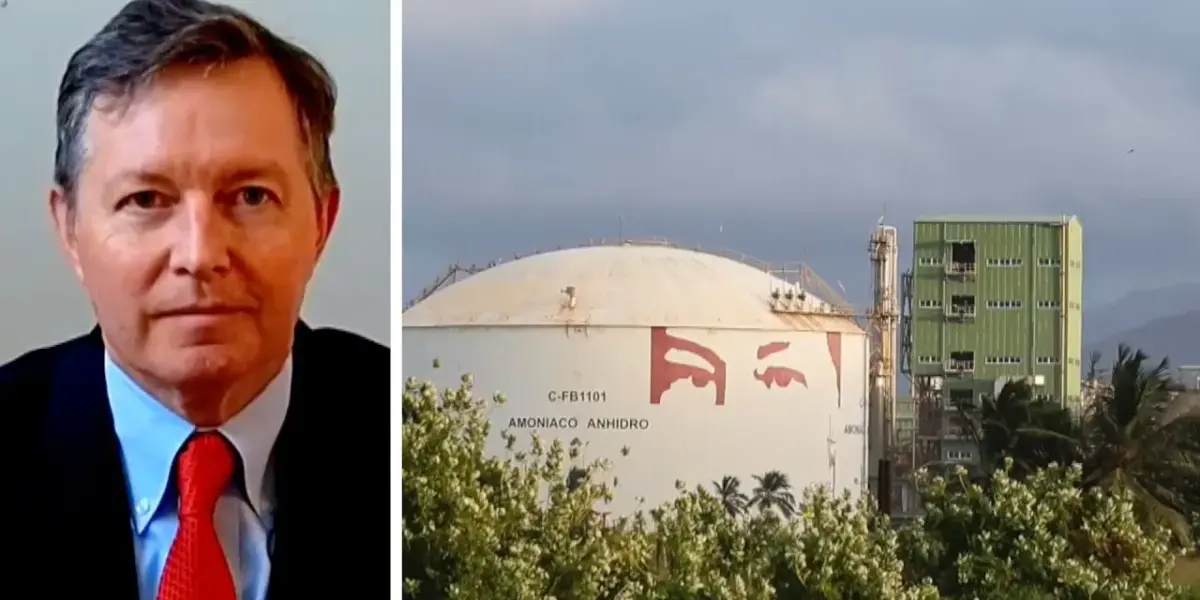
The Strait of Hormuz is a narrow waterway between Iran and the Arabian Peninsula. About 20% of the world’s oil, or roughly 20 million barrels per day, passes through this critical passage. Most of this oil is destined for Asia and Europe, with a significant amount going from Iran to China. For the United States, disruptions here primarily affect oil prices, which in turn can lead to higher gasoline costs. However, the U.S. itself is not heavily reliant on Middle Eastern oil for its supply, producing a large amount domestically.
South America Steps Up Production
While the Persian Gulf faces turmoil, South American nations are increasing their oil and gas output. This surge is seen as a long-term strategy to reduce dependence on volatile regions. Countries like Brazil, Guyana, and Argentina are leading this expansion. Brazil alone produces about 4 million barrels per day, with significant year-on-year increases. Guyana and Argentina are each close to producing a million barrels daily. Even Venezuela, despite decades of economic challenges, manages to produce around 800,000 barrels per day. Argentina also possesses vast shale oil reserves, hinting at potential future growth through fracking.
Building a Resilient Western Hemisphere Block
The idea of a more integrated Western Hemisphere energy block is gaining traction. This vision includes not just increased production but also cooperation in refining and shipping. Such a block could significantly shield North and South America from future shocks originating in the Middle East. Venezuela’s oil, for instance, is increasingly flowing to U.S. refineries instead of primarily going to China. By linking South America’s resources with the U.S.’s refining and shipping infrastructure, the region can become more insulated from global oil market fluctuations.
The Need for True Hemispheric Independence
Some experts argue that the U.S. should aim for genuine energy independence within the hemisphere, rather than simply switching from one set of foreign suppliers to another. While South American countries are boosting production, much of this oil is still heading to China. To truly enhance U.S. energy security, a focus on domestic infrastructure is crucial. The country has not built a new major oil refinery since the 1970s. Plans for a new refinery in Texas are underway, but upgrades to shipping, refining, distribution networks, and pipelines are also essential.
Domestic Production and Refining Challenges
The U.S. produces a massive amount of oil, largely thanks to fracking. However, a mismatch exists between the type of oil produced and the refining capabilities. U.S. refineries are often better equipped to process heavier crude oil. The light crude produced by fracking is frequently exported to Europe, while the U.S. imports heavier crude. Building new refineries capable of processing light crude, like the planned Texas facility, is vital to fully utilize domestic production and avoid relying on imports for certain types of oil.
A Long-Term Shift, Not an Immediate Fix
The increase in South American oil production is a medium- to long-term project. It will not immediately lower global oil prices or solve shortages caused by disruptions like the Strait of Hormuz blockade. The region might boost production by several hundred thousand to a million barrels per day annually. This gradual increase, while important for diversification, won’t provide quick relief to markets facing immediate supply concerns.
Why This Matters
Iran’s attempt to control a major global oil chokepoint is proving to be a strategic misstep. By disrupting supply, Iran is inadvertently pushing the world, especially Western nations, to accelerate efforts toward energy independence. This includes developing new production sources in South America and strengthening domestic energy infrastructure in the United States. The long-term consequence could be a significant reduction in global reliance on Middle Eastern oil, diminishing Iran’s future leverage.
Historical Context and Future Outlook
For decades, the Strait of Hormuz has been a focal point of geopolitical tension due to its critical role in oil transport. Past threats to this waterway have always sent shockwaves through the global economy. However, this current situation marks a potential turning point. The rise of domestic production in the U.S. and the growing output from South America are creating viable alternatives. The trend toward a more diversified energy supply chain, centered around the Western Hemisphere, is likely to continue and strengthen. This shift could redefine global energy politics and reduce the impact of future disruptions in traditional oil-producing regions.
Source: Iran ‘Shooting Itself in the Foot’ by Blocking Hormuz Strait–The World Will Diversify: Reporter (YouTube)

Related Articles
Iran Blocks China Ships, Exposing Beijing’s Weak Grip
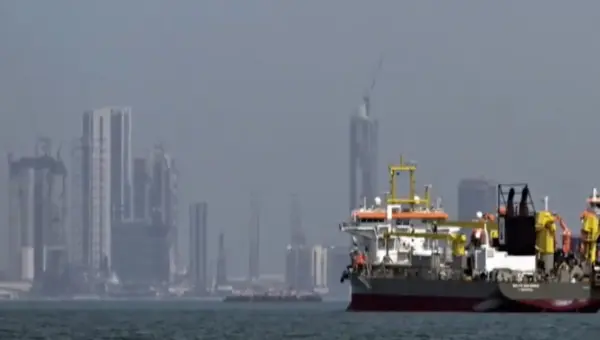
Iran's recent decision to block Chinese ships at the Strait of Hormuz is exposing the limits of Beijing's influence in the Middle East. This action is causing delays and cancellations for Chinese manufacturers, turning a perceived geopolitical win into an economic strain.
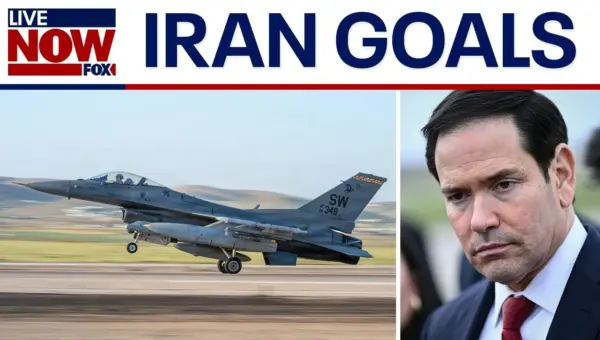
Rubio: US Can Achieve Iran War Goals Without Troops
Senator Marco Rubio outlined a strategy to counter Iran without deploying U.S. ground troops, focusing on weakening the regime and enhancing maritime security. He also criticized Cuba's economic system and expressed concerns about West Bank violence.


Israel Escalates Iran Strikes, Warns of Wider War
Israel has launched significant strikes inside Iran following continued missile fire, warning of further escalation. The conflict risks wider regional instability and economic disruption, especially concerning the Strait of Hormuz.