Blacks and Asians Share Surprising Bonds
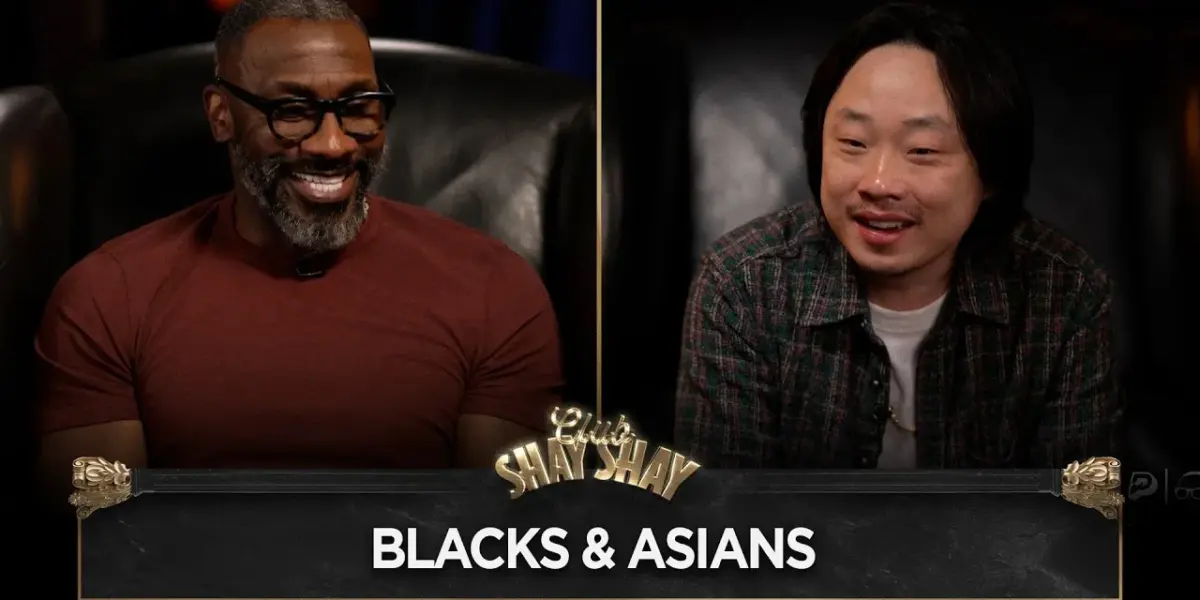
Comedians Jimmy O. Yang and Terrell Grison discuss the surprising commonalities between Black and Asian cultures, from shared feelings of being outsiders to different expressions of love and respect for elders. Their conversation highlights how friendship can bridge cultural divides.

Blacks and Asians Share Surprising Bonds
It turns out that comedians Jimmy O. Yang and Terrell Grison, despite coming from different backgrounds, have found common ground and even a deep friendship. Yang, who grew up in Hong Kong, shared his experience of living with a Black roommate, Grison, for six years. This unique living situation led to some eye-opening discoveries about cultural similarities and differences.
Yang explained that their friendship started through comedy. “If you’re funny, you’re funny,” he stated, highlighting how shared passions can bring people together regardless of race. He noted that within the comedy scene, “you see the most diverse, beautiful friendships.” Yang and Grison, despite Grison being 10 years older and from Detroit, connected over their shared pursuit of comedy, stage time, and even dating.
Finding Common Ground
Yang pointed out that many of his opening acts on the road are Black comedians. “Funny is funny, man,” he reiterated. He also believes Black and Asian people share significant commonalities. Yang mentioned the mutual respect for elders as a key similarity. He also touched on a shared feeling of not always fitting in within America.
“I think that that that’s important. That’s why I think black people gravitated towards kung fu movies. Asian people gravitate towards rap music because there is an like like a rebellious outsider point of view almost,” Yang explained.
He described this as a feeling of being “outsiders looking in and trying to fit in, get a piece of this.” Yang feels there are many similarities between the two groups.
Lessons Learned from Roommates
When asked what he learned from living with Grison, Yang admitted it’s hard to pinpoint specific cultural lessons without direct experience. However, he highlighted a major difference in their perspectives on life and money. Yang noted that Grison, coming from a tougher neighborhood in Detroit, had a mentality of “tomorrow is not promised.” This led to Grison living more in the moment and spending money more freely.
Yang, on the other hand, grew up with a sense of safety in Hong Kong and tended to plan more for the future, sometimes experiencing anxiety about it. He suggested that Grison taught him to “live in the moment a little more,” while he might have taught Grison to “project and think more about the future” and save money.
Family, Safety, and Love
The conversation delved into family values and safety. Yang described Hong Kong as incredibly safe, where even a woman walking alone at night would feel secure. He attributed this to a culture where people generally don’t commit crimes, possibly due to strong family ties and education.
In contrast, Grison spoke about his experiences growing up in Detroit, where crime and difficult situations were a concern. He mentioned attending an HBCU and not having much exposure to Asian or Hispanic communities, mostly interacting within the Black and White communities.
A significant cultural difference emerged when discussing expressions of love. Yang stated that in his Asian culture, saying “I love you” and physical affection like hugging or kissing are not common. He observed that his parents never said “I love you” to each other or him, and there was no public display of affection.
“It’s more like an act of service type culture,” Yang said, explaining that love is shown through actions like cooking for each other, picking someone up from the airport, or helping with tasks.
Yang finds this difficult in his dating life, preferring to show love through acts of service rather than verbal declarations. Grison agreed, relating that for him, love was demonstrated by having food on the table, clothes to wear, and a roof overhead. He acknowledged that while he knew his grandparents loved him through their provision, the verbal “I love you” and hugs weren’t part of his upbringing either. This difference is seen as an “old school” and generational aspect.
Ultimately, the conversation revealed that despite cultural differences, shared values like respect for elders and the desire for connection create strong bonds, even between people from vastly different walks of life.
Source: Blacks & Asians Have More In Common Than You Think I CLUB SHAY SHAY (YouTube)

Related Articles

Iranian-American Comedian Uses Humor to Bridge Divides
Iranian-American comedian Max Amini is using his sold-out shows and growing platform to foster understanding amidst the ongoing war with Iran. He recently made history headlining Madison Square Garden, where he broke his usual silence on politics to address the protests within Iran. Amini aims to bridge cultural divides and challenge misconceptions about his heritage through humor and authentic storytelling.

Jimmy O. Yang Cries After Meeting Hero Dave Chappelle
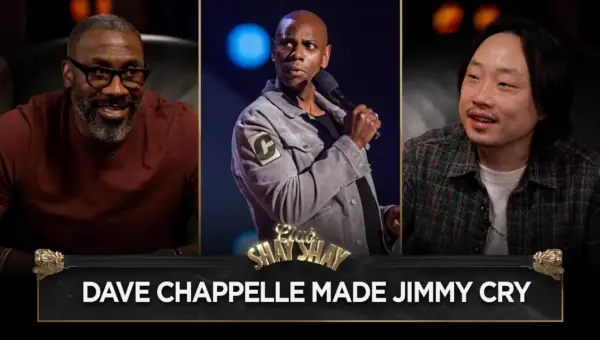
Comedian Jimmy O. Yang shared a deeply emotional story about meeting his hero, Dave Chappelle, which left him in tears. He also discussed his new Hong Kong-based comedy special, 'Finally Home,' its theatrical release, and the importance of representation in comedy.


Forget Paris! Comedian Rips French Food, Praises Asia
A comedian is sparking debate by calling French food terrible and urging travelers to explore Asia instead. He specifically praised Hong Kong for its diverse, high-quality cuisine and modern appeal, contrasting it with his view of Paris and even Los Angeles.