Trump’s Iran Gambit Fuels War Fears, Market Drops
Rising tensions between the U.S. and Iran, marked by Iran's defensive build-up and rejection of talks, are fueling fears of a ground invasion. This escalation has sent Wall Street into a tailspin, signaling major economic fallout. Meanwhile, Americans are preparing to protest against President Trump's policies, highlighting deep domestic concerns.

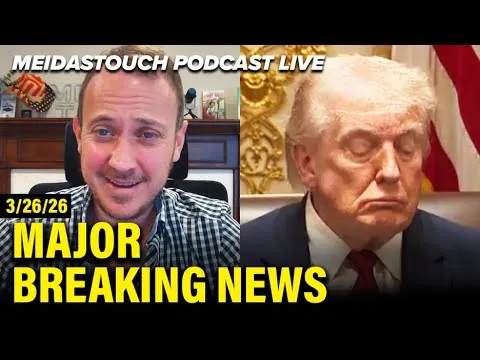
Trump’s Iran Gambit Fuels War Fears, Market Drops
New reports show Iran is building up defenses on Kharg Island, a key oil terminal. This comes as tensions with the United States, under President Trump, are rising sharply. Iran has also rejected any talks about negotiations. This situation is creating a lot of worry about a possible U.S. ground invasion.
President Trump has once again pushed back a deadline related to Iran. Meanwhile, the conflict is getting worse. Iran has made it clear they will not negotiate. This is happening at the same time that news is coming out about Iran preparing its defenses. They are fortifying Kharg Island, which is a very important place for their oil exports. This suggests they are getting ready for a potential military confrontation.
Economic Jitters on Wall Street
The growing conflict is not just a foreign policy issue. It’s also hitting the American economy hard. Wall Street experienced its worst day since the war began. This sharp drop in the stock market shows that investors are nervous. They are worried about the economic consequences of the escalating tensions and the possibility of a wider conflict.
The economic fallout at home is becoming more apparent. When global tensions rise, especially involving major oil-producing regions, markets often react negatively. Businesses and consumers can feel the effects through higher prices or reduced investment. This recent downturn on Wall Street is a clear signal of that economic uncertainty.
Protests Against Trump’s Policies
As the international situation heats up, some Americans are planning to take to the streets. A protest called “No Kings Day” is being organized. This event is meant to show opposition to President Trump’s actions and his perceived threats to democracy. It reflects a deep concern among some citizens about the direction the country is heading.
Protests like “No Kings Day” often arise when people feel their democratic values are at risk. They are a way for citizens to voice their dissent and demand accountability from their leaders. The planned demonstrations highlight the growing political divisions within the country, fueled by concerns over foreign policy and the stability of democratic institutions.
Historical Context: Shifting Alliances and Conflicts
The current situation with Iran is part of a long and complex history. For decades, U.S.-Iran relations have been strained, marked by periods of intense hostility and uneasy quiet. Past administrations have also faced challenges in navigating this relationship, with significant events like the 1953 coup, the 1979 revolution, and the Iran nuclear deal shaping the ongoing dynamics.
Understanding this history is crucial to grasping the present. Each decision and action taken by leaders on both sides adds layers to the existing tensions. The current administration’s approach, characterized by a firm stance and a focus on direct confrontation, is a significant factor in the current escalation. This contrasts with past efforts that sometimes involved more diplomatic channels, even amid disagreements.
Why This Matters
The events unfolding have serious implications for global stability and American interests. A potential conflict in the Middle East, especially one involving a ground invasion, could have devastating human and economic costs. It could lead to a wider regional war, disrupt global oil supplies, and result in significant loss of life.
Domestically, the economic impact could be severe. Higher energy prices, market volatility, and increased government spending on military action can affect everyday Americans. Furthermore, the protests highlight a growing domestic unease about the country’s leadership and its commitment to democratic principles. The way these issues are handled will shape not only foreign policy but also the internal political climate of the United States.
Future Outlook: Uncertainty and Risk
The future remains highly uncertain. Iran’s defensive preparations suggest a readiness for conflict, while the U.S. administration’s rhetoric points towards a continued hard line. The rejection of negotiations by Iran removes a key avenue for de-escalation, increasing the likelihood of military action.
The coming days and weeks will be critical. Any miscalculation or unintended escalation could quickly spiral into a full-blown crisis. The world will be watching closely to see if diplomatic solutions can still be found or if the path towards conflict is now inevitable. The decisions made by President Trump and Iran’s leadership will have far-reaching consequences for years to come.
Source: LIVE: MeidasTouch RESPONDS to MAJOR BREAKING NEWS – 3/26/26 (YouTube)

Related Articles
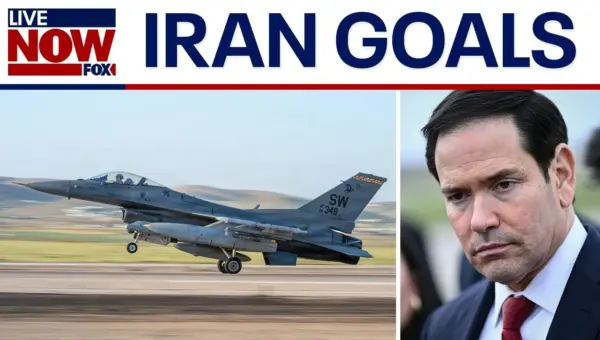
Rubio: US Can Achieve Iran War Goals Without Troops
Senator Marco Rubio outlined a strategy to counter Iran without deploying U.S. ground troops, focusing on weakening the regime and enhancing maritime security. He also criticized Cuba's economic system and expressed concerns about West Bank violence.
Trump’s “Walk Away” Tactic Signals Tougher Stance on China
Retired Air Force Brigadier General David Stillwell believes President Trump's strategy of being willing to walk away from negotiations puts pressure on China. This tactic, combined with US global actions and strengthened alliances, signals a more assertive American foreign policy.


Israelis Forge Resilience Amidst Constant Bomb Shelter Drills
Life in Israel is a blend of resilience and constant vigilance, with many families adapting to frequent bomb shelter drills and even sleeping in makeshift shelters. Despite ongoing missile attacks, Israelis strive to maintain normalcy, though businesses face disruption and emotional fatigue is a growing concern.