Iran ‘Begging’ for Deal as Trump Weighs Strike Delays
President Trump is delaying potential strikes on Iran, suggesting the nation is seeking a deal. Meanwhile, the U.S. grapples with Department of Homeland Security funding debates and immigration enforcement. In legal news, Venezuelan ex-leader Nicolás Maduro faces accusations of U.S. interference in his legal defense.

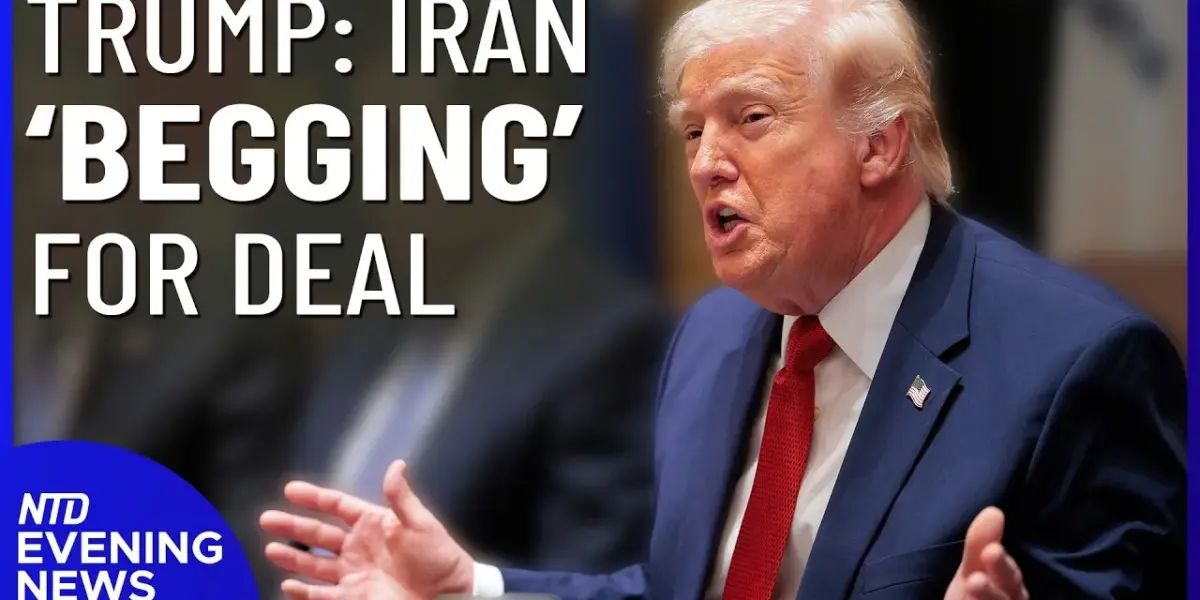
Trump Hints at Deal as Iran Tensions Rise
President Donald Trump announced he is holding off on military strikes against Iran for another ten days. He stated that the Iranian government is actively seeking a deal with the United States. Trump believes Iran’s military has no real chance of recovering from any potential conflict. This statement comes shortly after Israel confirmed it had eliminated a high-ranking Iranian naval commander, who led the Islamic Revolutionary Guard Corps Navy.
Border Security and DHS Funding Debate Continues
In Washington, the Senate is preparing for its sixth vote on a bill to provide funding for the Department of Homeland Security. Earlier in the day, the House of Representatives passed a separate bill aimed at ending the ongoing partial government shutdown. Amidst these legislative efforts, Immigration and Customs Enforcement agents have been seen checking identification at TSA security checkpoints. These agents were reportedly sent by the Trump administration to help address staffing shortages affecting airport security.
Explosive Device Found Near Air Force Base; Maduro Faces Legal Challenges
Authorities have indicted two siblings in connection with an improvised explosive device discovered outside a Florida Air Force base. Officials reported that one suspect allegedly planted the device before leaving the country for China. Meanwhile, in New York City, former Venezuelan leader Nicolás Maduro and his wife, Cilia Flores, appeared in court. The Maduros claim the U.S. government is obstructing their access to funds needed for their legal defense.
Why This Matters
The news highlights critical and complex issues facing the United States on multiple fronts. President Trump’s comments on Iran suggest a potential de-escalation, yet the situation remains volatile given recent military actions. This delicate balance impacts international relations and regional stability in the Middle East. The ongoing debate over funding for the Department of Homeland Security underscores deep divisions on immigration policy and border security. The deployment of ICE agents at TSA checkpoints raises questions about resource allocation and the broader impact on travel. The charges against the Maduros point to ongoing international legal and political challenges, reflecting U.S. foreign policy in South America.
Historical Context and Background
Tensions between the U.S. and Iran have been high since the U.S. withdrew from the Iran nuclear deal in 2018 and reimposed sanctions. Iran’s regional influence and its support for various militant groups have long been a concern for the U.S. and its allies, including Israel. The killing of the IRGC commander marks a significant escalation. The U.S. government’s approach to funding and managing border security has been a persistent political issue, leading to government shutdowns and debates over immigration reform. The situation in Venezuela, with Nicolás Maduro’s government facing international pressure and sanctions, is a long-standing foreign policy challenge for the U.S., with implications for regional stability and migration.
Implications and Future Outlook
President Trump’s decision to delay strikes, coupled with his assertion that Iran is seeking a deal, could signal a diplomatic opening. However, the situation remains unpredictable. Any direct military confrontation would have severe economic and humanitarian consequences. The continued legislative wrangling over DHS funding suggests that a comprehensive solution to border security and immigration challenges is still distant. The involvement of ICE at TSA checkpoints might become a more common practice if staffing issues persist, potentially affecting passenger experience. The legal battles faced by the Maduros could further strain U.S.-Venezuelan relations and influence regional diplomacy. The U.S. will likely continue to monitor Iran’s actions closely, while the debate over border security and immigration funding will remain a central issue in domestic politics.
The events of March 26th illustrate a dynamic geopolitical landscape where diplomatic maneuvering, domestic policy debates, and international legal actions are constantly intersecting. The coming days and weeks will be crucial in understanding the direction these situations will take.
Source: Trump: Iran ‘Begging’ To Make A Deal; Maduro Appears in NYC Court | NTD Evening News (Mar. 26) (YouTube)

Related Articles
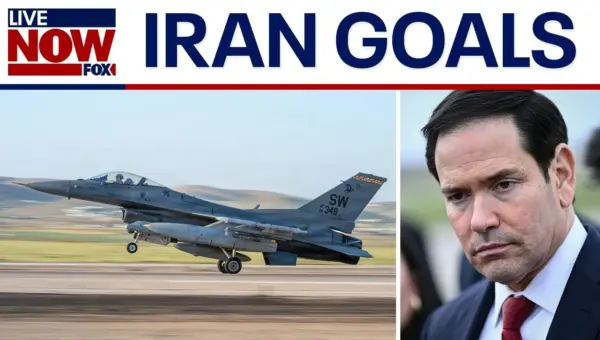
Rubio: US Can Achieve Iran War Goals Without Troops
Senator Marco Rubio outlined a strategy to counter Iran without deploying U.S. ground troops, focusing on weakening the regime and enhancing maritime security. He also criticized Cuba's economic system and expressed concerns about West Bank violence.
Trump’s “Walk Away” Tactic Signals Tougher Stance on China
Retired Air Force Brigadier General David Stillwell believes President Trump's strategy of being willing to walk away from negotiations puts pressure on China. This tactic, combined with US global actions and strengthened alliances, signals a more assertive American foreign policy.
House Republicans Reject Senate Deal, Sparking Government Funding Clash
House Republicans have rejected a Senate bill to end the government shutdown, citing insufficient border security measures. Congressman Randy Fine called the Senate deal a "disgrace" and highlighted the ongoing fight for full government funding. President Trump's executive order to pay TSA agents offers temporary relief, but the core disagreement over border security continues to paralyze Washington.